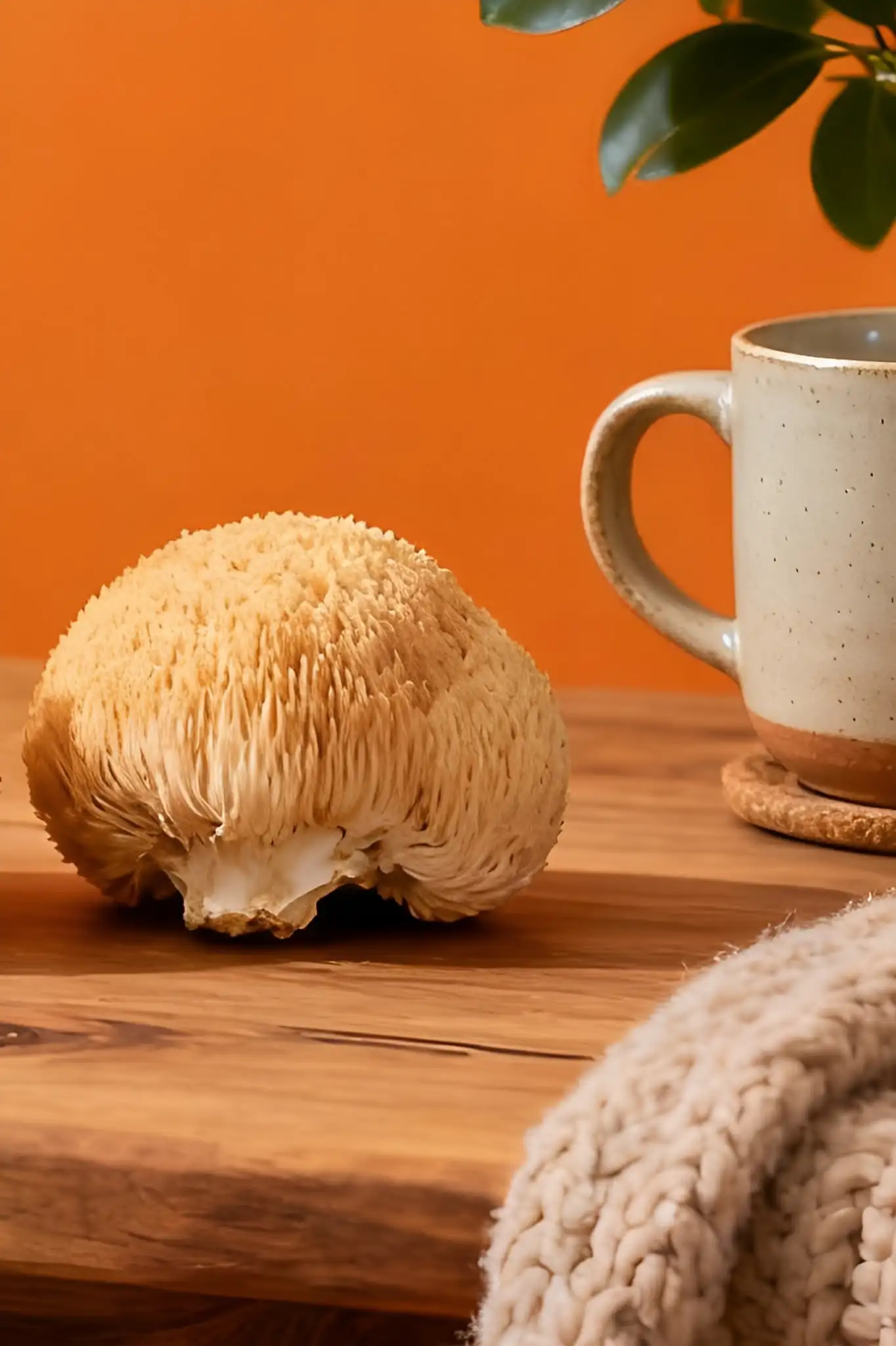


Lion's mane (Hericium erinaceus) has become one of the most widely used functional mushrooms in France, mainly for focus and mental clarity. Its rapid rise in popularity naturally raises a fundamental question: is it dangerous?
The honest answer: for a healthy adult, lion's mane is generally well tolerated at usual doses, and the side effects reported are most often mild. But there are situations where caution is truly needed. Here's the full rundown.



Reported side effects
They remain uncommon and generally mild:
- Digestive discomfort: bloating, mild nausea or loose stools, especially at the start of a course or at high doses. This is the most common.
- Skin reactions: a few cases of itching or rashes have been reported, probably allergic in nature.
- Headaches or a feeling of being "out of it" when you first start taking it, usually temporary.
- Respiratory reactions in people allergic to mushrooms or mold. This is the most serious point, and it calls for stopping immediately.
Contraindications to know
- Mushroom allergy: a strict contraindication. Lion's mane is a mushroom, and a known allergy should rule out taking it.
- Pregnancy and breastfeeding: data is lacking. Avoiding it is the reasonable position.
- Anticoagulant treatment: since a potential effect on blood clotting has been suggested for several medicinal mushrooms, medical advice is necessary.
- Scheduled surgery: stopping beforehand is advised, and the medical team should be informed.
- Diabetes under treatment: a possible influence on blood sugar warrants monitoring.
- Autoimmune disease: since lion's mane is presented as an immune modulator, caution is needed if you're on immunosuppressive treatment.
- Children: use not recommended without advice from a healthcare professional.
Drug interactions
As with any active supplement, the main risk isn't toxicity but interaction. The drug classes to watch are anticoagulants and antiplatelets, diabetes medications, and immunosuppressants.
The right reflex is always the same: tell your doctor and pharmacist that you're taking supplements, especially if you're on long-term treatment.
Product quality, an underestimated risk factor
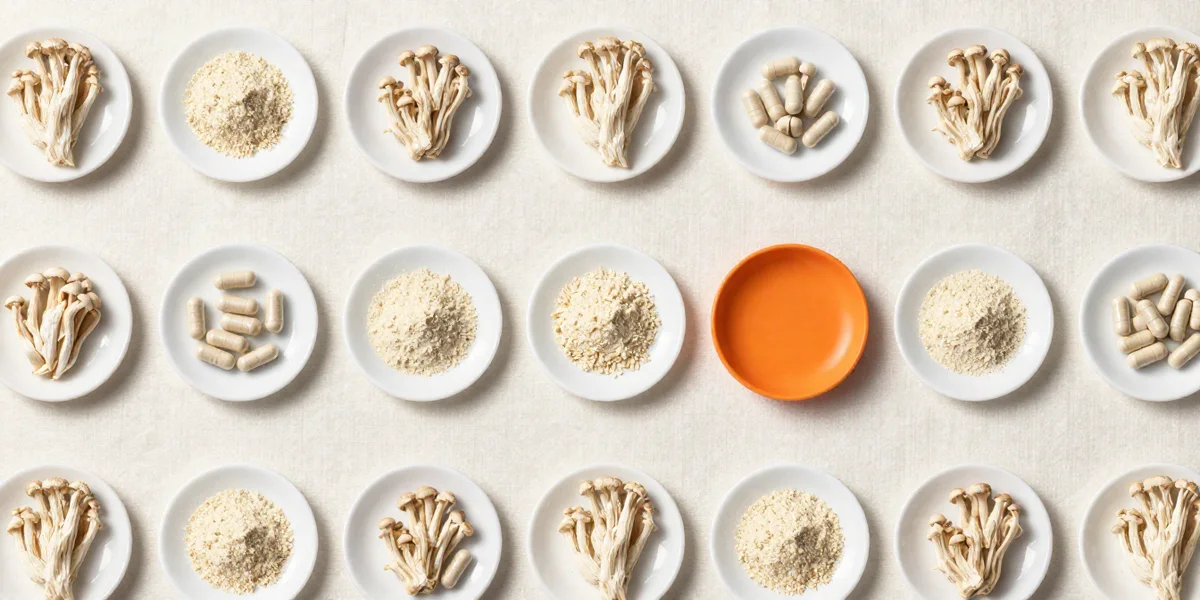
Many bad experiences don't come from the mushroom itself but from the quality of the product. Two decisive points:
- Mycelium on substrate or fruiting body? Many cheap products use mycelium grown on grains, which mostly provides starch. The fruiting body (the mushroom itself) is generally the better option.
- Contaminants: mushrooms absorb whatever is in their growing medium. Traceable origin and heavy metal testing are real signs of a serious product.
How to minimize the risks
- Start with a low dose for the first few days to test your tolerance.
- Take it with a meal to limit digestive discomfort.
- Follow the dosage recommended by the manufacturer, without going overboard.
- Take breaks rather than taking it continuously and indefinitely.
- Stop immediately if you have a skin or respiratory reaction or any unusual symptom, and see a doctor.
Summary
Lion's mane isn't a dangerous product for a healthy adult who sticks to the recommended doses. The real concerns are mushroom allergy, pregnancy, anticoagulant treatment and autoimmune diseases. As is often the case, the risk lies less in the mushroom than in the quality of the product you buy and the lack of medical advice when you're on treatment.
To learn more, read our articles on the effects people notice with lion's mane and lion's mane and focus.
Choosing the right lion's mane to minimize risks
The safety of a supplement depends directly on its quality. Four concrete things to check before buying:
- The part used: fruiting body (the mushroom) rather than mycelium grown on a grain substrate, when that information is available.
- The extraction ratio: an extract listed without a ratio or active compound content is an unverifiable promise.
- Testing: heavy metals, pesticides and microbiological contaminants. Mushrooms absorb their growing medium, so this testing isn't a luxury.
- Traceability: geographic origin and the manufacturer's transparency about its processes.
A brand that refuses to share this information is asking for trust it hasn't earned. In a category that's still loosely regulated, it's the best filter you have.
Frequently asked questions about lion's mane dangers
Can lion's mane keep you from sleeping?
It's not a stimulant and doesn't contain caffeine, so it generally doesn't disrupt sleep. Some people even take it in the evening with no trouble. If you notice an issue, move your dose to the morning for a few days to see whether the link is confirmed.
Can you take it every day?
Taking it daily for several weeks is the usual approach, since this type of product requires consistency. Alternating periods of use with breaks remains a cautious approach, rather than taking it continuously with no time limit.
How long does it take to work?
Allow at least four weeks of regular use before judging, and often two to three months for long-term use. What people feel varies a lot from one person to another, and seeing no effect is a possible outcome you have to accept.
Is it compatible with an antidepressant or an anti-anxiety medication?
That's a question to ask your doctor, every time. Lion's mane is presented as acting on the nervous system, which justifies checking that it doesn't interact with your treatment. Never change a psychiatric treatment on your own.
What dose is considered reasonable?
Dosages vary widely depending on whether it's a concentrated extract or a powder, which makes comparisons misleading. Follow the manufacturer's dosage, start below it for the first few days, and don't increase it just because you don't feel anything right away.
Is lion's mane a hallucinogenic mushroom?
No, absolutely not. It's a common confusion with other mushrooms. Lion's mane is an edible mushroom, used in cooking, with no psychoactive effect.
Who should avoid lion's mane?
People allergic to mushrooms, pregnant or breastfeeding women, people on anticoagulants or immunosuppressants, and those due to have surgery soon. When in doubt, ask your pharmacist for advice.
This article is for informational purposes only and does not replace medical advice. If you are on treatment, pregnant, breastfeeding or have a medical condition, ask your doctor or pharmacist for advice before taking any supplement.

LMC content is written by our editorial team from the information published by the brands. Scores out of 10 follow a public grid of 5 criteria*, supplemented by LMC’s editorial assessment.
To support LMC, some links are affiliate links: LMC earns a commission at no extra cost to you, and some of the brands featured are partners. By using the site, you accept our terms of use and our editorial policy.