





If you have just started taking Lion's Mane, it is normal to wonder whether anything is happening at all. Unlike caffeine, nicotine, or other fast-acting nootropics, Lion's Mane is not designed to hit you with an immediate buzz. Its appeal is subtler: over time, many users report clearer thinking, better verbal fluency, and a calmer, more stable kind of concentration.
That slower onset is exactly why expectations matter. A lot of disappointment around Lion's Mane comes from treating it like a stimulant when it behaves more like a long-game cognitive support supplement. The best question is not “Do I feel it in 30 minutes?” but “What changes begin to show up over the next few weeks?”
What Lion's Mane is doing in the brain
Lion's Mane, or Hericium erinaceus, contains two families of compounds that make it unique in the nootropic space: hericenones and erinacines. These molecules are studied for their role in supporting nerve growth factor (NGF) and other mechanisms involved in neuronal maintenance and neuroplasticity.
That sounds abstract, but the practical takeaway is simple: Lion's Mane is not about forcing temporary stimulation. It is about helping create a better biological environment for learning, recall, and mental resilience. Because those processes take time, the effects usually emerge progressively rather than all at once.
Why some users feel something quickly, and others do not
The first variable is extract quality. Fruiting-body powders, mycelium-heavy blends, and standardized extracts do not behave the same way. The second variable is baseline status: someone running on poor sleep, high stress, and brain fog may notice a bigger contrast than someone who already has solid cognition.
Dose and consistency also matter. Most of the useful anecdotal reports come from people taking Lion's Mane daily for several weeks, not from people using it sporadically. If you are inconsistent, the “I don't feel anything” verdict tells you very little.
The most common first signs
Early effects are often understated. People describe less mental friction, easier task initiation, slightly better word recall, or a subtle sense that thoughts feel more “organized.” These are not dramatic sensations, but they are precisely the sort of changes that make Lion's Mane compelling for knowledge workers, students, and anyone doing deep cognitive work.
In other words, the earliest benefits often show up as better function, not a stronger sensation. That distinction matters.
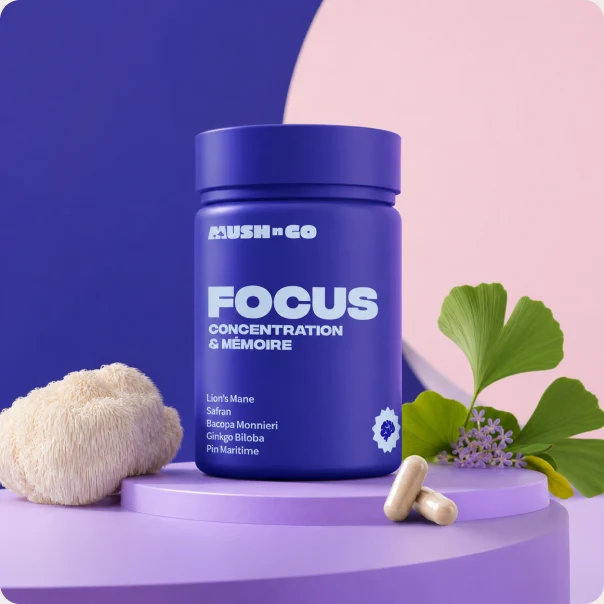

A realistic week-by-week Lion's Mane timeline

Weeks 1-2: some users notice a mild improvement in clarity, fewer “blank moments,” or a calmer transition into focused work. Others notice nothing yet, and that is still within the normal range.
Weeks 3-4: this is where many consistent users begin reporting more tangible benefits: better concentration during long sessions, smoother verbal recall, less mental fatigue late in the day, and a general sense that the brain feels more dependable.
Weeks 5-8: for people who respond well, the effects tend to feel more structural than acute. Reading comprehension may feel easier, task-switching less costly, and recovery from cognitively heavy days a little faster. This is often the stage where users say, “I did not notice it all at once, but I definitely notice the difference now.”
What real users usually describe
The most common positive reports are not euphoric. They are practical: clearer focus, fewer mental detours, better memory retrieval, and a less “noisy” mind during work. Some users also describe improved mood stability, which may be linked indirectly to reduced inflammation, better sleep quality, or the psychological effect of feeling cognitively sharper.
On the other hand, not everyone responds strongly. If the extract is weak, the dose is low, or the product is mostly starch-heavy mycelium, the effect can be underwhelming. That is why product quality matters far more here than with obvious stimulants.
How to test Lion's Mane properly
If you want a fair read, use a reputable extract daily for at least four to six weeks, keep the dose consistent, and track concrete outcomes: reading stamina, task completion, memory slips, and depth of focus. Subjective “feeling” alone is a poor metric.
It also helps to control obvious confounders. If your sleep is collapsing, your caffeine intake is chaotic, and your workload is extreme, you will struggle to judge any nootropic accurately.
The bottom line
Lion's Mane is not a hype-free miracle, but it is also not placebo for everyone. The most honest answer is that it works gradually, and the first noticeable effects are usually improved clarity and smoother concentration rather than a dramatic rush. For users who stay consistent and choose a serious extract, that slow build is exactly what makes it valuable.


LMC’s editorial line is built around transparency and reliability. Our content is written to help users make better decisions, based on 7 key criteria* that support trustworthy information, verified promo codes, and useful reviews.
To support LMC, some links are affiliate links. Our recommendations remain independent and based on transparent, verifiable criteria. By using the site, you accept our terms of use and our editorial policy.






.webp)

.avif)