



Fatigue, digestive issues, a weakened immune system... The list of ailments that probiotics are supposed to remedy keeps growing. They come in all shapes, colors, and, of course, price ranges. But what exactly do we mean by probiotics? What are they for? And most importantly, what is the reality behind their often extravagant promises?
The role of the microbiota is widely accepted. The gut and the microorganisms it hosts influence the entire body, including the immune system.
Traditional probiotics face structural limitations. Intestinal colonization remains transient, and the proven efficacy of one strain does not apply to others.
The EFSA has validated almost no health claims for this category. In Europe, probiotic manufacturers are not permitted to claim that their products improve digestion or boost immunity.
Another approach is gaining ground. Bovine colostrum, long reserved for elite sports, acts directly on the intestinal lining rather than attempting to recolonize the microbiota.
What are probiotics used for?
Probiotics are products containing live microorganisms, most often bacteria, intended to colonize the gut to rebalance the gut microbiome.
It is worth remembering that our gut is a marvel of complexity. It ensures that nutrients from our diet reach the right parts of the body, and it houses a very significant portion of our immune cells. In recent years, scientists have also taken a great interest in the gut-brain axis, the connection between the gut microbiome and certain brain functions.

The microbiome refers to the collection of microorganisms that inhabit our gut, a complex ecosystem comparable to a tropical rainforest, whose balance can be weakened by an unbalanced diet, stress, or certain treatments. Scientists call this dysbiosis, an imbalance associated in several studies with fatigue, digestive discomfort, and a less responsive immune system.
This is precisely where probiotics are supposed to come in: providing specific bacterial strains to attempt to rebalance this microbiome. Appealing on paper. But what is the reality?
Misconceptions and realities about probiotics
❌ 1st misconception: all probiotics are the same.
✅ The reality: that's false.
Probiotic dietary supplements vary considerably in terms of quality, number of strains, dosage, and packaging.
❌ 2nd misconception: probiotics are destroyed by stomach acid before reaching the gut.
✅ The reality: that's partially false.
Certain strains, particularly some bifidobacteria and lactobacilli, can partially withstand gastric transit. But surviving gastric transit in no way guarantees long-term colonization of the gut, which brings us to the most significant limitation of this product category, explained below.
❌ 3rd misconception: probiotics don't provide many more bacteria than our traditional diet.
✅ The reality: that's false.
Some fermented foods like yogurt or sauerkraut contain lactobacilli, but in limited quantities and diversity. A quality probiotic can provide more bacteria in a single dose than several kilos of fermented foods.
❌ 4th misconception: the importance of the gut microbiome is exaggerated.
✅ The reality: that's false.
Numerous studies have highlighted links between the gut microbiome and general health, particularly regarding immunity and digestive comfort.
❌ 5th misconception: the effects of a probiotic are immediate.
✅ The reality: rarely.
Probiotics are supposed to work over the long term, generally over several weeks, when they work at all.
Why do conventional probiotics have their limitations?

This is where things get complicated, and it's a point that few articles on the subject address honestly.
Intestinal colonization remains transient
Each person's microbiome is already firmly established and personalized, shaped from birth. Several studies have shown that strains introduced by a probiotic rarely take hold permanently once supplementation stops, which partly explains why the effects felt often disappear shortly after discontinuing use.
Efficacy depends on the strain, not the category
An effect demonstrated for a specific strain, in a specific study, on a specific population, cannot be generalized to other strains or other probiotics on the market, even those sold under the generic label of "probiotic."
EFSA validates almost no claims
To date, the European Food Safety Authority has authorized almost no health claims for probiotics as a category, with the exception of a very limited claim regarding yogurt cultures and lactose digestion. In Europe, the vast majority of manufacturers are therefore legally prohibited from claiming that their product improves digestion, boosts immunity, or rebalances the microbiome.
This explains the very vague wording found on packaging, which is never backed by a validated health claim.
This does not mean that probiotics are useless. However, it calls for caution regarding the promises made by some manufacturers and explains the growing interest among researchers in other approaches to gut health.

Our recommendation
Colostrum does not aim to recolonize the gut flora. Instead, it provides direct immunoglobulins and lactoferrin, which have been studied for their role in supporting the intestinal lining. French origin, independently lab-tested, 3g in the morning.
A different approach, long reserved for elite sports
It is in this context that another ingredient has gradually caught the attention of researchers: bovine colostrum, the first milk produced by a cow in the hours following calving, which is naturally rich in immunoglobulins, lactoferrin, and growth factors.
It is this distinct mechanism, combined with a growing body of literature, that explains the increasing interest in colostrum.
What characterizes a high-quality gut health solution?
Based on these findings, we established a list of criteria to evaluate the most common solutions on the market, including both traditional probiotics and bovine colostrum.
Is the mechanism of action lasting or transient?
Is the product backed by published scientific evidence, independent of marketing claims?
What does the product specifically target: the gut flora, the intestinal lining, or both?
Are the origin and traceability of the ingredient verifiable?
Does the packaging ensure the product's stability and quality over time?
Based on these criteria, we compared bovine colostrum from the French brand Primal with three of the most widely distributed probiotics: Digest Delight by Kosbiotic, Daily Synbiotic DS-01 by Seed, and Synbiotic dual cap by Epetōme. The ratings follow our public scoring grid, which is identical for all brands.
Our rankings

Colostrum - Primal




LMC Rating
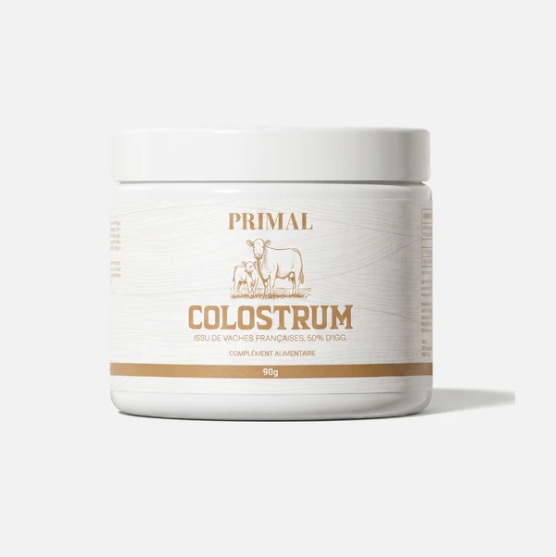
Primal Bovine Colostrum comes in powder form, in a jar containing 30 servings. It is primarily judged on three factors: the origin of the raw material, the stated immunoglobulin concentration, and how easy it is to stick with the full course.
Composition. French bovine colostrum, with a guaranteed 50% IgG content. The dosage is 3g per day, to be mixed into a cold or lukewarm drink. No other active ingredients are added, making the label easy to read.
Why it’s in this ranking. It is not a probiotic. It does not provide live bacteria and does not aim to recolonize the gut flora; instead, it delivers bioactive compounds, immunoglobulins, and lactoferrin directly. This distinct mechanism is why it earns a spot here, outside the standard probiotic rankings.
Ideal profile. A 30-day course, one dose in the morning. A great choice if you have already tried probiotics without lasting results, or if you prefer a single-ingredient product with a verifiable origin. Less suitable if you are looking for a capsule you can just swallow without having to measure it out.
- A mechanism that does not rely on bacterial colonization. Unlike probiotics, colostrum does not need to survive the digestive tract or colonize an established microbiome to be effective.
- Exclusively French origin, with full traceability for every batch. Colostrum collected within the first few hours after calving and analyzed by an independent laboratory.
- Randomized, placebo-controlled studies, with results measured using an objective biological marker, the lactulose/rhamnose ratio, rather than relying solely on self-reported feelings.
- Non-GMO, one daily dose. 3g in the morning mixed into a drink or food, 30 servings per jar.
- Available research focuses primarily on athletic contexts or acute damage to the intestinal lining. While research is growing for other uses, the evidence remains more limited.
- The powder format requires measuring out each dose, less convenient than swallowing a capsule.
- Online distribution only, Not available in pharmacies or drugstores.
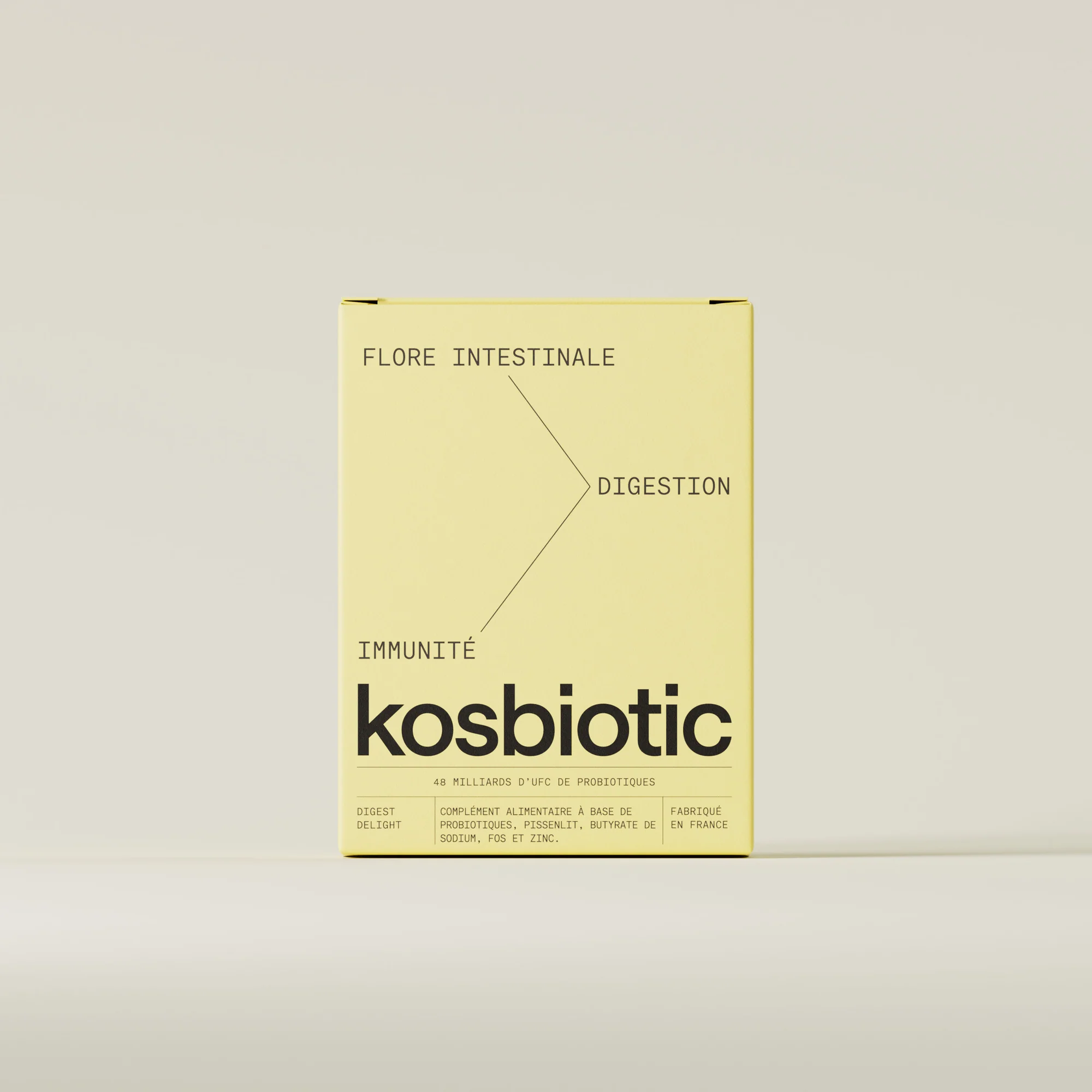
Digest Delight - Kosbiotic
LMC Rating
- Three patented strains, dosed according to clinical study amounts.
- 100% French formula, manufactured in an HACCP-certified laboratory.
- Gastro-resistant capsules, clearly targeted at bloating.
- Best price per dose in the ranking: €1.23.
- Transient colonization, as with all probiotics.
- Only three strains; less comprehensive than full-spectrum formulas.
- When taken at the intensive dose of 3 capsules, the box only lasts ten days.
- Online sales only; not available in pharmacies or drugstores.
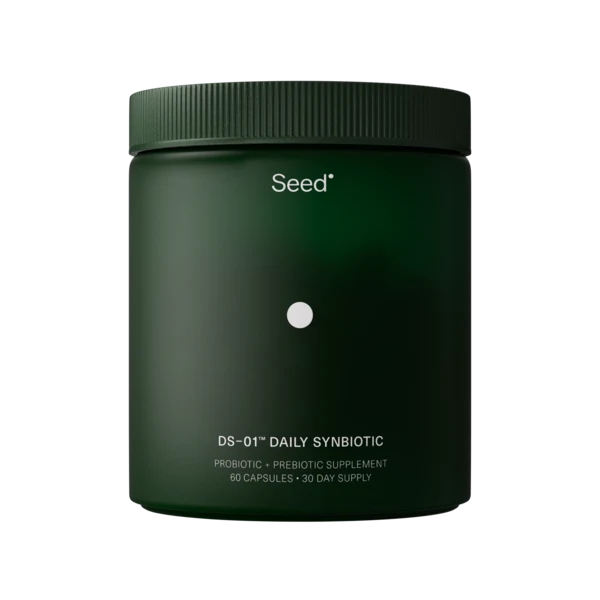
Daily Synbiotic DS-01 - Seed
LMC Rating
- 24 strains and approximately 53.6 billion CFU, with dosages detailed by complex
- ViaCap® capsule designed to protect strains until they reach the colon
- Formula tested in several randomized clinical trials
- Gluten-free, soy-free, FODMAP-friendly, rigorous third-party testing
- 4.8/5 rating from over 14,000 reviews
- Transient colonization, like any probiotic
- Price in dollars and shipping from the United States, customs fees may apply
- Generalist positioning, less targeted for bloating than a dedicated probiotic
- Available by subscription only
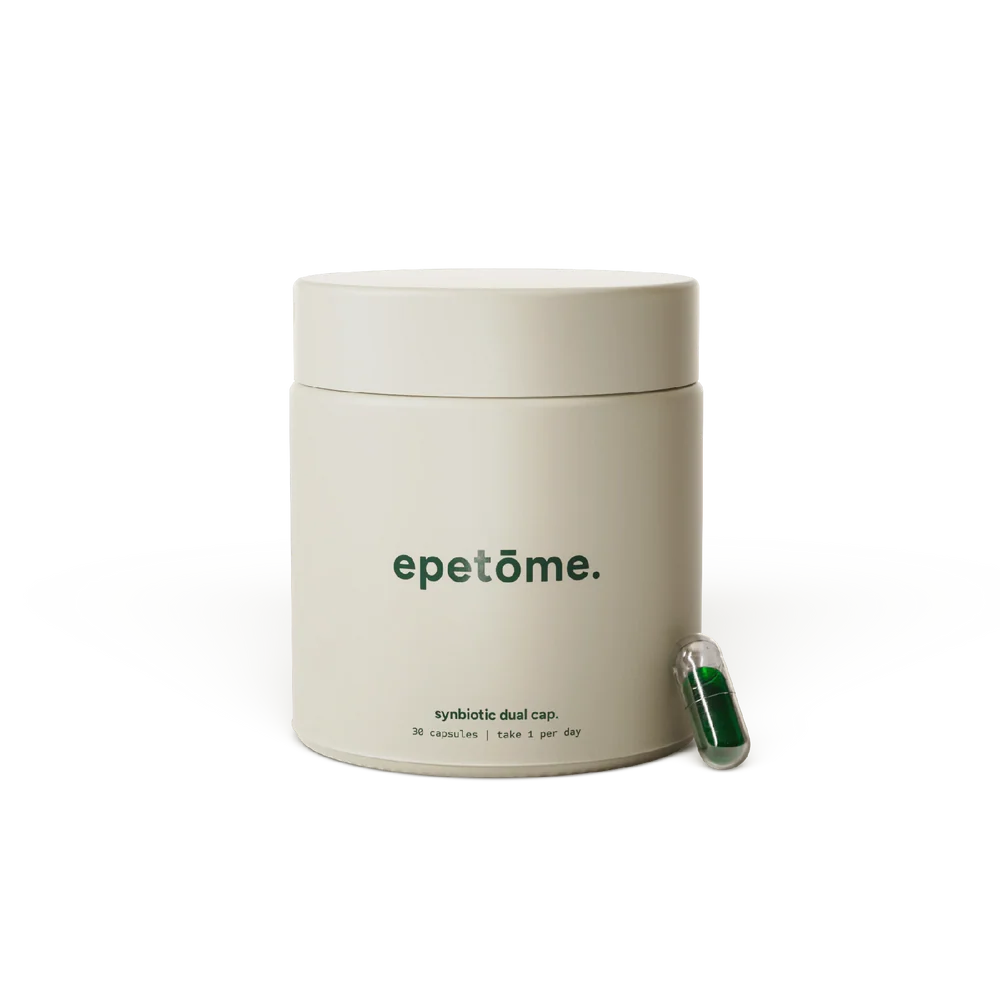
Synbiotic dual cap - Epetōme
.svg%201.svg)
LMC Rating
- 50 billion CFU in a single daily capsule
- 11 clinically tested strains, including L. acidophilus NCFM
- Bonus vitamin D, zinc, and biotin in the same dose
- Dual-capsule technology for targeted release
- 90-day money-back guarantee
- Transient colonization, like all probiotics
- Only eleven strains, less extensive than the most comprehensive synbiotics
- High price in pounds and shipping from the UK
- Few details published regarding the origin and testing of raw materials
Frequently asked questions
Probiotics provide live microorganisms, most often bacteria, intended to rebalance the gut microbiota. In practice, their effect depends on the strain used: a result demonstrated for a specific strain cannot be applied to other products sold under the same name.
That depends entirely on the strain and the intended use. To date, the EFSA has authorized almost no health claims for probiotics as a category, with the exception of a very limited claim regarding yogurt cultures and lactose digestion.
Rarely right away. Studies generally evaluate effects over several weeks of regular use. Feeling a difference within the first few days is more often due to normal digestive variability than an effect of the product itself.
Research has not established one time as superior to another. Consistency is what matters most. Follow the dosage indicated by the manufacturer, which takes into account the product's format and type of encapsulation.
These are two different approaches. A probiotic provides live bacteria that must establish themselves in an already existing microbiota. Bovine colostrum does not provide bacteria; it supplies bioactive compounds like immunoglobulins and lactoferrin, without relying on colonization.
They are generally well-tolerated. Temporary bloating or gas is sometimes reported at the start of a course. If you are immunocompromised, have a chronic illness, or are currently undergoing treatment, consult a healthcare professional before starting.
This is a question for your doctor or pharmacist. Recommendations vary depending on the antibiotic and your individual situation, and this article is not intended to replace professional medical advice.
Our recommendation
Colostrum does not aim to recolonize the flora. It provides immunoglobulins and lactoferrin directly, both of which have been studied for their role in supporting the intestinal lining. French origin, independently lab-tested, 3g in the morning.

LMC’s editorial line is built around transparency and reliability. Our content is written to help users make better decisions, based on 7 key criteria* that support trustworthy information, verified promo codes, and useful reviews.
To support LMC, some links are affiliate links. Our recommendations remain independent and based on transparent, verifiable criteria. By using the site, you accept our terms of use and our editorial policy.