



Why ube latte is more than a social-media trend
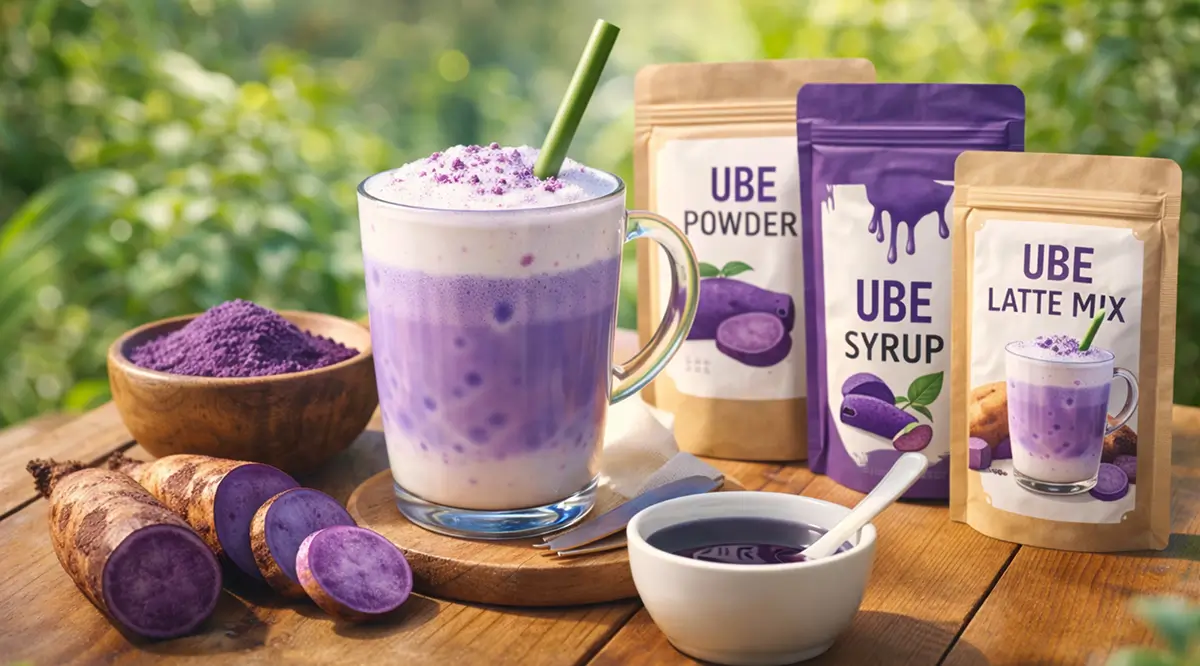
Ube latte has become visually iconic for its vivid purple color, but the best versions are not just photogenic. When made with real ube powder, this drink delivers a naturally sweet, vanilla-like profile that feels indulgent while still fitting into a more ingredient-conscious routine.
The problem is that the market is now crowded with very different products sold under the same name. Some are made with genuine purple yam. Others rely on sugar-heavy mixes, artificial flavoring, or even taro-based powders tinted to mimic the real thing. From the outside, they can look similar. In the cup, they do not.
If you want to buy ube latte for flavor, nutrition, and overall quality, the first filter is ingredient integrity. A serious product should tell you whether you are getting pure ube powder, a sweetened latte blend, or a convenience mix built for easy preparation rather than clean formulation.
That distinction matters because the best ube latte experience starts before the first sip. It starts with knowing what you are actually buying, how the powder was processed, and whether the brand is transparent about origin, sweetness, and texture.
How to spot a better ube latte product
Premium buyers should prioritize freeze-dried or gently processed ube with a short ingredient list, a clear Philippine origin when available, and no unnecessary artificial colors. If the label hides behind vague wording, the product is usually compensating for mediocre raw material.
Texture also matters. Good ube powder should disperse cleanly, create a smooth base, and deliver a naturally rounded taste. Cheap products often taste chalky, overly sweet, or flat once mixed with milk.

Where to buy ube latte in 2026
Specialist wellness and superfood shops
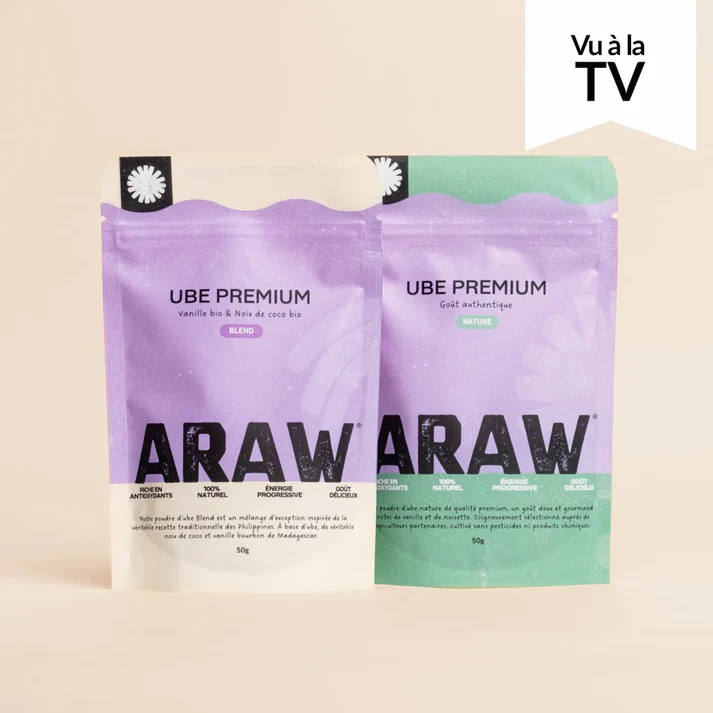
This is usually the best place to start if you care about ingredient quality. Specialist stores are more likely to stock pure or minimally processed ube powder, explain where it comes from, and differentiate between a true functional ingredient and a flavored drink mix.
They are also better at curating products for people who want control over sweetness, milk choice, and recipe design. If you want an ube latte that works in a higher-end daily routine, this channel is often the safest bet.
Asian grocery stores
Asian grocers can be an excellent option, especially if you know which brands to trust. They often offer better pricing and access to more traditional products. The trade-off is that quality varies widely, and some items are designed for desserts rather than premium latte preparation.
Check the label carefully. If sugar, creamer, or coloring appears before ube, you are buying convenience first and authenticity second.
Online marketplaces
Online platforms offer the broadest choice, but they also carry the highest risk of misleading listings. Use them for comparison, not blind trust. Read the ingredient panel, review the photos, and avoid products that rely on marketing hype without showing what the powder actually contains.
Best buying strategy
If your goal is the best possible cup, buy from a specialist shop with transparent sourcing and a clean formula. If you are price-sensitive and ingredient-savvy, a good Asian grocery can also be a smart buy. Reserve marketplaces for products you have already vetted, not for guesswork.
Bottom line
The best ube latte is not necessarily the brightest purple one. It is the one made from real ube, processed with care, and sold by a brand that treats quality as more than an aesthetic trend.
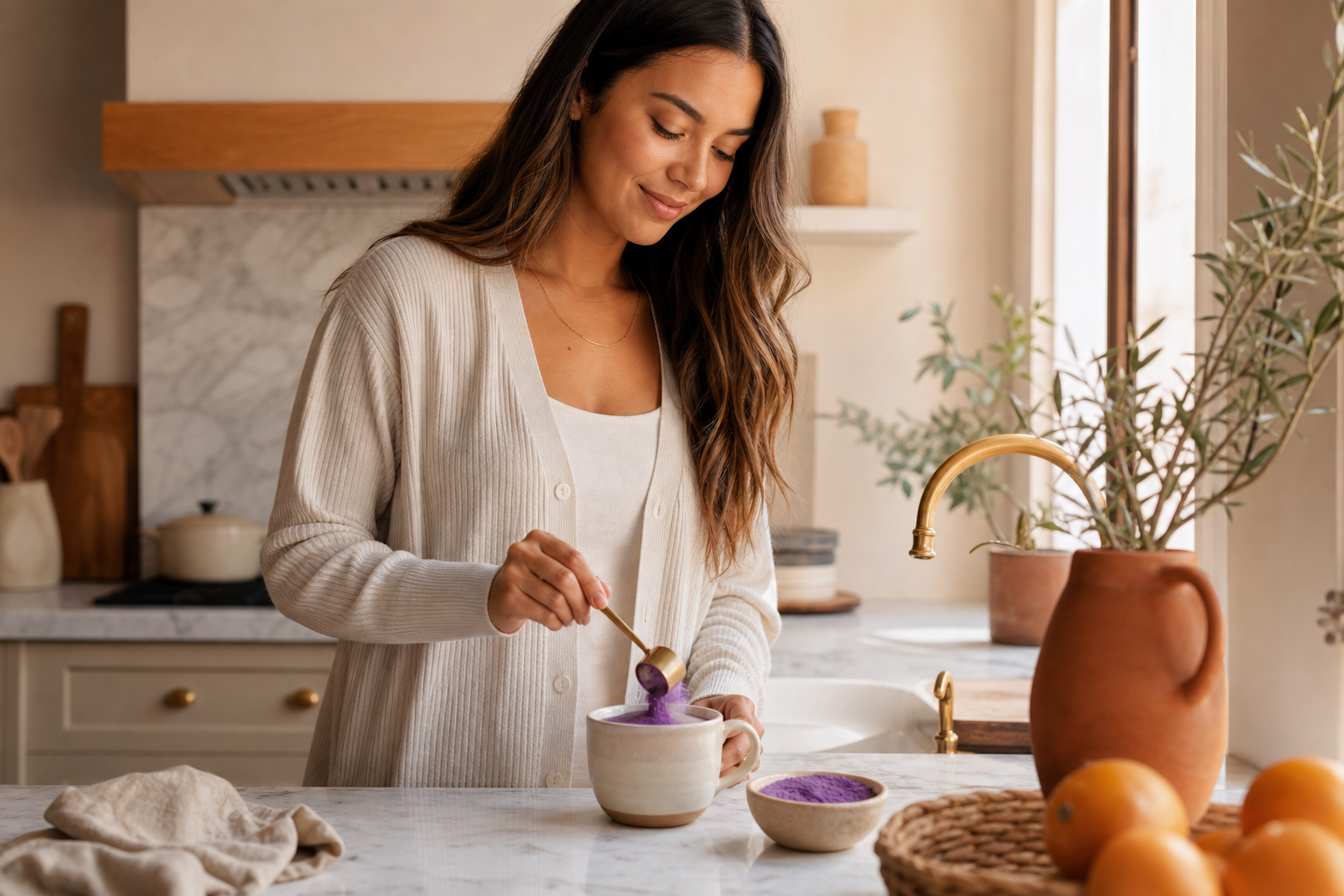
Where to buy ube powder: the real buying criteria
If you are searching where to buy ube powder, start by deciding what you actually want to make. A daily ube latte recipe needs a powder that dissolves well. Baking needs intensity and predictable color. Smoothies need clean flavor and no gritty finish. The best product is not always the most colorful one.
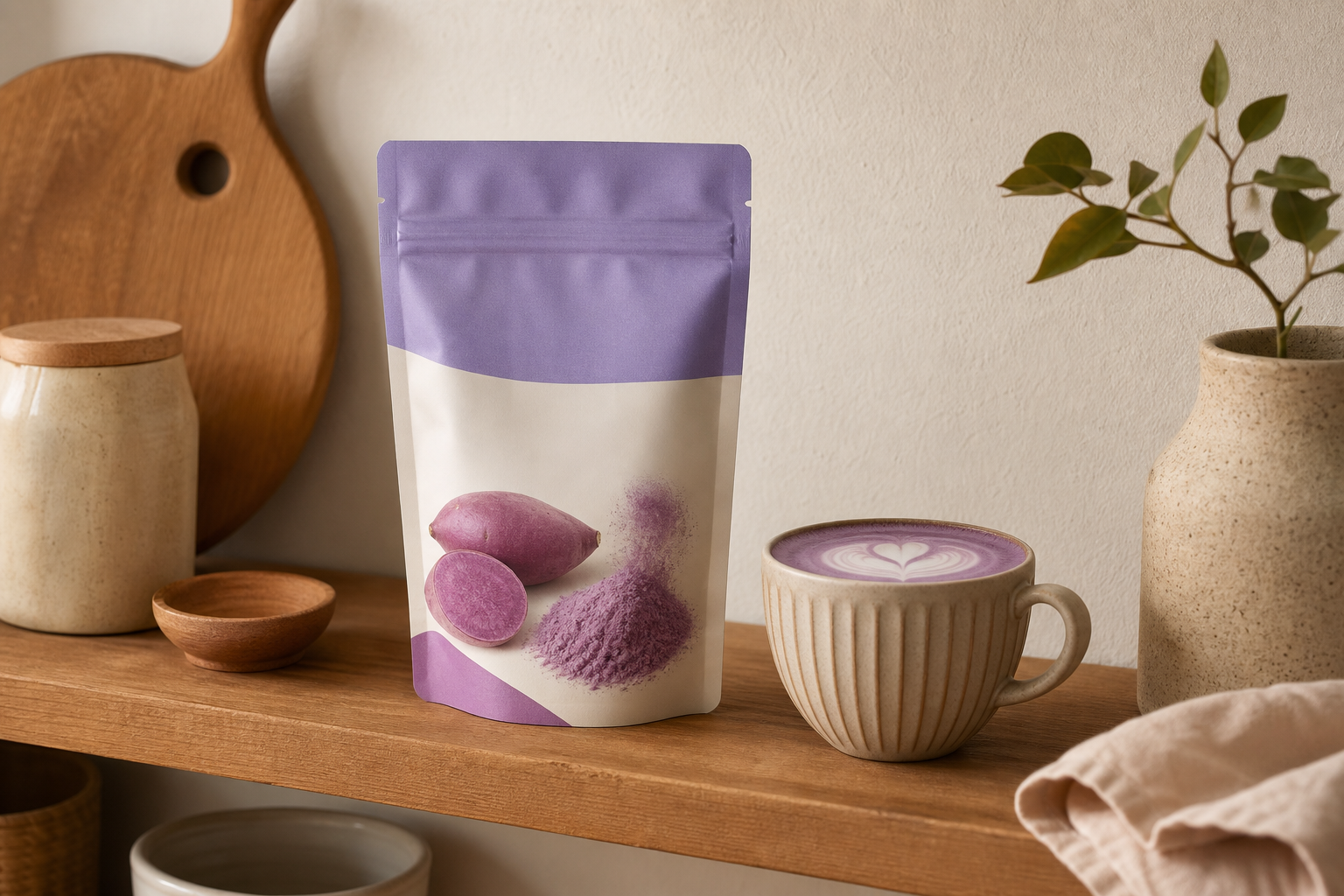
Online shops usually offer three types of products: pure purple yam powder, sweetened ube latte mix and flavored purple drink powder. Pure powder gives the most control. Latte mix is faster. Flavored powder is often the least interesting if the ingredient list is vague.
Pure organic ube powder or ready-made latte mix?
Choose organic ube powder if you want one ingredient for several uses. It works for ube latte, pancakes, cakes, oats and yogurt bowls. You decide how sweet the final recipe becomes. That matters if you want a premium drink without turning it into dessert every morning.
Choose a ready-made mix if you want speed and consistency. It can be useful in an office, café corner or very simple routine. The downside is flexibility. Most mixes already contain sugar, milk powder or flavoring, so you cannot adjust much.
- Best for control: pure ube powder.
- Best for speed: latte mix.
- Best for baking: concentrated purple yam powder.
- Best for a light routine: unsweetened powder with your own milk.
What a good product page should tell you
A serious ube seller should make the basics clear: ingredients, serving size, origin when available, storage advice and practical uses. If the page only sells color and trend appeal, be careful. Ube is popular because it looks good online, but a weak powder can still taste flat.
Look for serving guidance around 1 to 2 teaspoons for a latte, recipe examples and clear photos of the powder or prepared drink. Reviews can help, especially when buyers mention solubility, flavor and texture rather than just packaging.
Buying online versus in cafés
Cafés are useful for tasting the drink before buying a full pouch. But café ube latte can be very sweet, and the recipe may use syrup rather than real powder. If you like the flavor, buying powder online gives you more control and a much lower cost per drink.
For home use, compare the price per serving instead of the pouch price. A small premium powder can be cheaper in practice if you need less of it for strong color and flavor. Also check shipping times. Ube is still a niche ingredient in many markets, so availability can change quickly.
Red flags when buying ube online
Be careful with vague purple drink powders that never clearly say how much ube they contain. Also watch for listings that rely only on color, trend language or dessert photos without showing the ingredient list. A serious ube powder page should help you understand what you are buying, not just make the drink look good.
Another red flag is unrealistic positioning. Ube latte can be a better homemade alternative to sugary café drinks, but it should not be sold with aggressive health promises. Good sellers talk about taste, sourcing, texture, recipe ideas and serving size. That is enough to make a strong product.
Best first order for beginners
If you are new to purple yam powder, buy a format that lets you test at least three recipes: a hot latte, an iced latte and one baking recipe. This tells you more than one cup ever will. A powder that works only in a very sweet drink is less useful than one that also works in pancakes or oats.
For searchers comparing where to buy ube powder, the most reliable choice is usually a clean powder with practical recipe guidance. Once you know you like the taste, you can decide whether a dedicated mix is worth it for convenience.
Final buying checklist
Before checkout, ask five questions: is the ingredient list clear, is the serving size realistic, does the powder work in hot and iced drinks, are shipping conditions acceptable, and does the seller explain how to use it? If the answer is yes, you are much closer to a product that can support a repeatable ube routine rather than a one-time novelty purchase.

LMC’s editorial line is built around transparency and reliability. Our content is written to help users make better decisions, based on 7 key criteria* that support trustworthy information, verified promo codes, and useful reviews.
To support LMC, some links are affiliate links. Our recommendations remain independent and based on transparent, verifiable criteria. By using the site, you accept our terms of use and our editorial policy.



.webp)

.avif)