


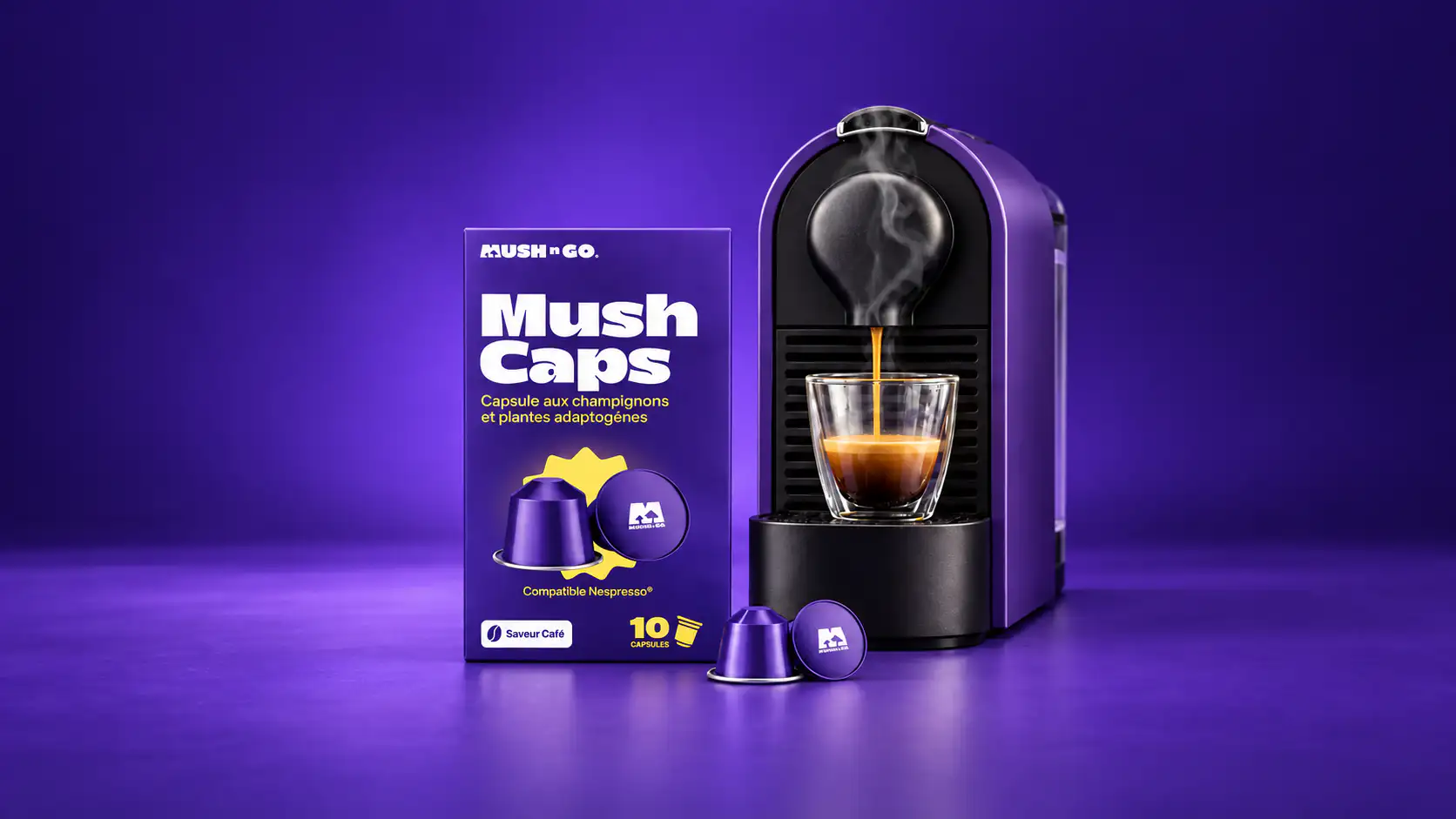


For decades, chicory was France's default coffee substitute. Many people still associate it with childhood breakfasts and old-fashioned kitchen cupboards, yet the drink is making a real comeback. Why? Because modern consumers are once again looking for simple, natural options that feel gentler on the stomach and easier to integrate into a healthier routine.
At the same time, a newer contender has entered the conversation: mushroom coffee. Fueled by the rise of adaptogens, nootropics and biohacking culture, these blends promise more than a cozy roasted drink. They are marketed as functional beverages designed to support focus, calmer stress management and a smoother kind of energy than classic coffee.
So which one actually deserves a place in your cup? The answer depends less on trendiness and more on what you expect from a coffee replacement. Are you looking for digestive comfort, zero caffeine and affordability? Or do you want a more advanced formula that supports mental performance and a premium daily ritual? This comparison breaks down both options so you can choose with clarity.
Chicory: the safe, caffeine-free classic for digestion

Chicory is made from a roasted root that develops deep, slightly caramelized notes once brewed. That roasted profile is exactly why it has stayed relevant: it captures part of the coffee experience without bringing caffeine into the equation. For people who react badly to stimulants, or simply want a warm drink later in the day without risking insomnia, chicory is one of the easiest swaps to adopt.
Its biggest strength is still its digestive reputation. Chicory root is naturally rich in inulin, a soluble prebiotic fiber that helps feed beneficial gut bacteria. That makes it appealing to people who want better digestive comfort, more regularity and a gentler routine than acidic coffee. Some nutrition professionals also point out that inulin may support satiety, which can be helpful when trying to avoid mid-morning cravings.
Chicory is also highly accessible. It is affordable, widely available and easy to prepare. You do not need to learn a new ritual, chase a niche wellness brand or pay premium prices just to test whether it suits you. In that sense, it remains one of the most democratic coffee alternatives on the market.
That said, chicory has clear limits. Its taste can feel divisive for dedicated coffee drinkers, with an earthy bitterness that not everyone enjoys. More importantly, it is fundamentally a comfort drink, not a performance drink. It may help you preserve the morning ritual, but it will not sharpen your concentration, lift your mental stamina or help you handle a demanding workday in the way functional formulations aim to do.
There is one more nuance worth mentioning: chicory's fiber content can be a double-edged sword. In people who are not used to higher fiber intake, it may trigger bloating, gas or digestive discomfort at first. Rare allergic reactions are also possible, especially in those sensitive to birch or ragweed-related plants. So while chicory is often positioned as gentle, it is still worth testing gradually and paying attention to your own tolerance.
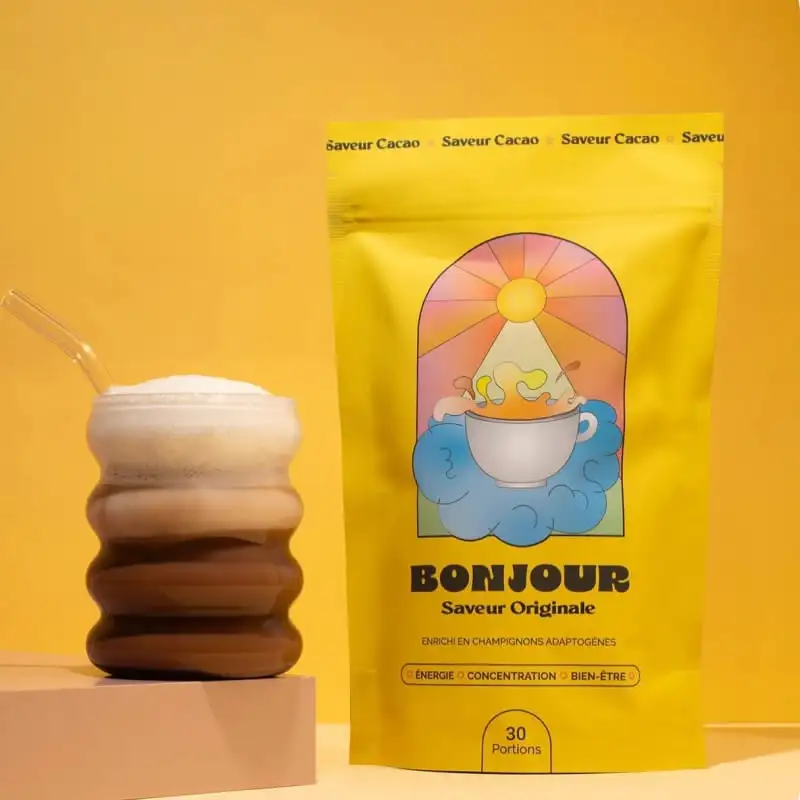

Adaptogenic mushrooms: the functional option for focus and calmer energy
Unlike chicory, mushroom coffee is not trying to imitate coffee in the most minimalist way possible. Its goal is broader: preserve the pleasure of a warm morning drink while improving the performance side of the experience. This is why the category is often described as a functional beverage rather than a simple substitute.
At the center of that promise is Lion's Mane, the mushroom most commonly associated with concentration, memory support and mental clarity. It has become a flagship ingredient in the nootropic world because of its reputation for supporting a sharper, more productive state without the aggressive stimulation many people experience with strong coffee.
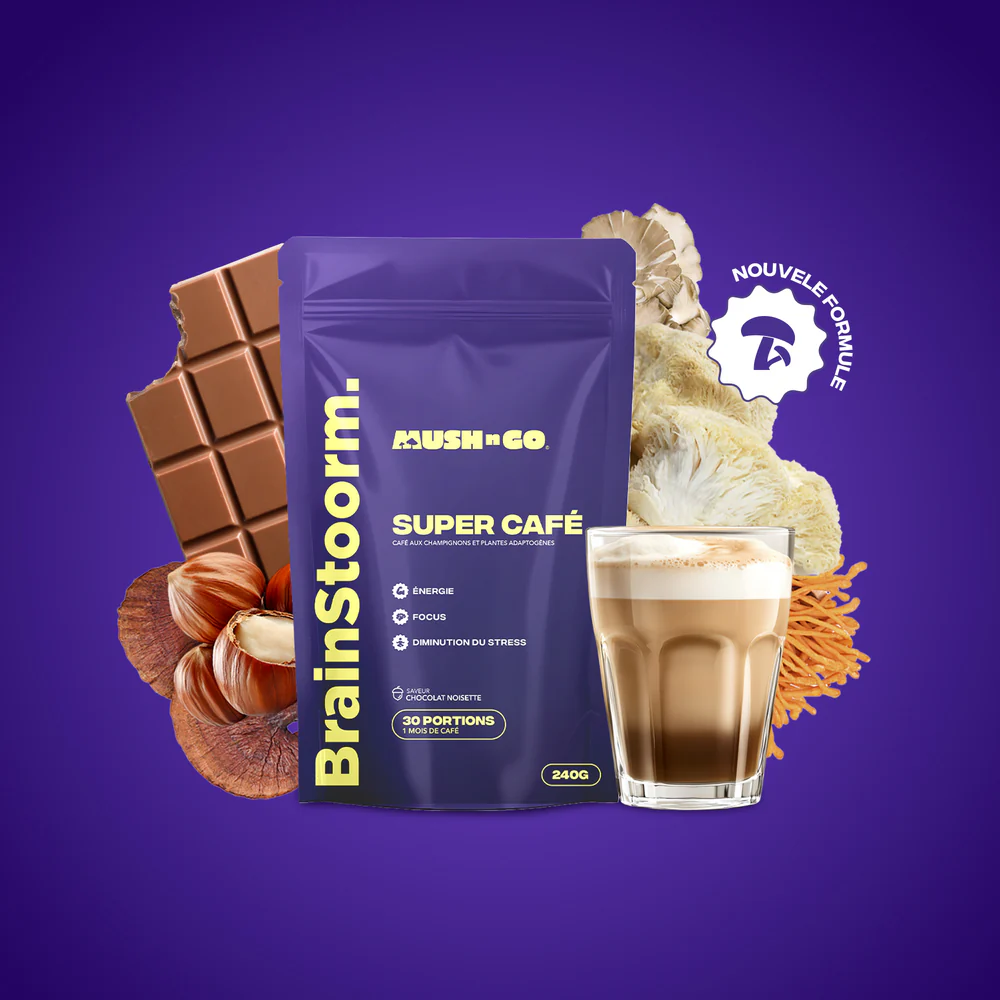
Other adaptogens complete the picture. Reishi is often valued for its calmer, more balancing profile, which makes it attractive to people who want less nervous tension in their morning routine. Cordyceps is the go-to option for buyers who want more vitality and physical drive, while Chaga is typically highlighted for its antioxidant positioning and overall wellness halo.
The takeaway is simple: where chicory mainly supports digestive comfort, adaptogenic mushrooms aim to support cognitive performance, smoother energy and better resilience under pressure. If your mornings are defined by deep work, decision fatigue or creative output, that difference matters.

The most compelling middle ground: roasted barley plus mushrooms
This is exactly where the comparison becomes more interesting. Many consumers want the digestive comfort and roasted flavor of a coffee replacement, but they do not want to settle for a passive drink that does nothing for focus or energy. That is the opportunity a brand like Bonjour Drink tries to capture.
See Super Mix - Bonjour Drink →
Instead of relying on chicory, Bonjour Drink uses roasted barley as its base. The result is a softer, more rounded taste profile with toasted cereal, light bread-like notes and a subtle nutty finish. For many palates, that makes it easier to enjoy daily than pure chicory, whose bitterness can feel more polarizing.
Barley also brings its own nutritional story. It naturally contains beta-glucans, a form of soluble fiber linked to satiety and metabolic support. In practical terms, this means the drink can feel more satisfying and gentler than standard coffee, while still delivering a more gourmet sensory experience than old-school chicory.
The real innovation, however, is the pairing of that barley base with a curated adaptogenic mushroom blend. With Lion's Mane for mental clarity, Cordyceps for cellular energy support and Chaga for antioxidant value, the formula positions itself as more than a coffee replacement. It becomes a premium morning tool for people who want taste, digestive comfort and functional upside in the same cup.
Comparison table: chicory vs Bonjour Drink
If you want a faster overview, this side-by-side table highlights the biggest practical differences between a classic chicory drink and Bonjour Drink's roasted barley + mushroom approach.
| Criteria | Bonjour Drink (Roasted Barley + Mushrooms) | Classic Chicory |
|---|---|---|
| Base | ✅ Roasted barley + Lion's Mane blend | ❌ Chicory root |
| Caffeine | ✅ 0%, stable energy without stimulants | ✅ 0%, fully caffeine-free |
| Taste | ✅ Smooth, toasted cereal, light nutty notes | ❌ Bitter, caramelized, more polarizing |
| Brain support | ✅ Focus and clarity support (Lion's Mane) | ❌ No meaningful cognitive support |
| Digestive support | ✅ Very good (barley beta-glucans) | ✅ Very good (inulin) |
| Cellular energy | ✅ Cordyceps positioning for ATP support | ❌ No functional energy support |
| Antioxidant value | ✅ Stronger wellness positioning (Chaga) | ❌ Limited antioxidant angle |
| Best use case | ✅ Productivity, focus and overall wellness | ❌ Digestive comfort only |
Conclusion: should you ditch chicory?
Not necessarily. If your main goal is a soothing evening drink, a tighter budget or a simple caffeine-free routine that supports digestion, chicory remains a respectable option. It does its job with honesty and simplicity.
But if you want a beverage that truly upgrades the coffee ritual by combining comfort, taste and mental performance, the hybrid formula is clearly more compelling. A product like Bonjour Drink turns a basic morning habit into a more strategic ritual for focus, steadier energy and everyday productivity.
By moving from plain chicory to roasted barley plus Lion's Mane, you are not just filling a mug with something warm. You are choosing a formula designed to support clarity, calmer energy and digestive comfort at the same time. For many modern buyers, that is a more complete answer than traditional chicory alone.
Want to test the difference for yourself? You can use the code LMC20 on your first Bonjour Drink order.
☕ Still wondering whether Bonjour Drink actually lives up to the hype? We broke down the formula, dosages and value for money in our full review. → Read our Bonjour Drink review

LMC’s editorial line is built around transparency and reliability. Our content is written to help users make better decisions, based on 7 key criteria* that support trustworthy information, verified promo codes, and useful reviews.
To support LMC, some links are affiliate links. Our recommendations remain independent and based on transparent, verifiable criteria. By using the site, you accept our terms of use and our editorial policy.




.webp)

.avif)