



Japanese Green Tea Co Matcha Review: Is It Worth the Hype?
Imported directly from Shizuoka farms, Japanese Green Tea Co's award-winning teas grow in sugar cane-enriched soil. Is this American brand's matcha worth the hype?


our experts


pick


My brief review of Japanese Green Tea Co
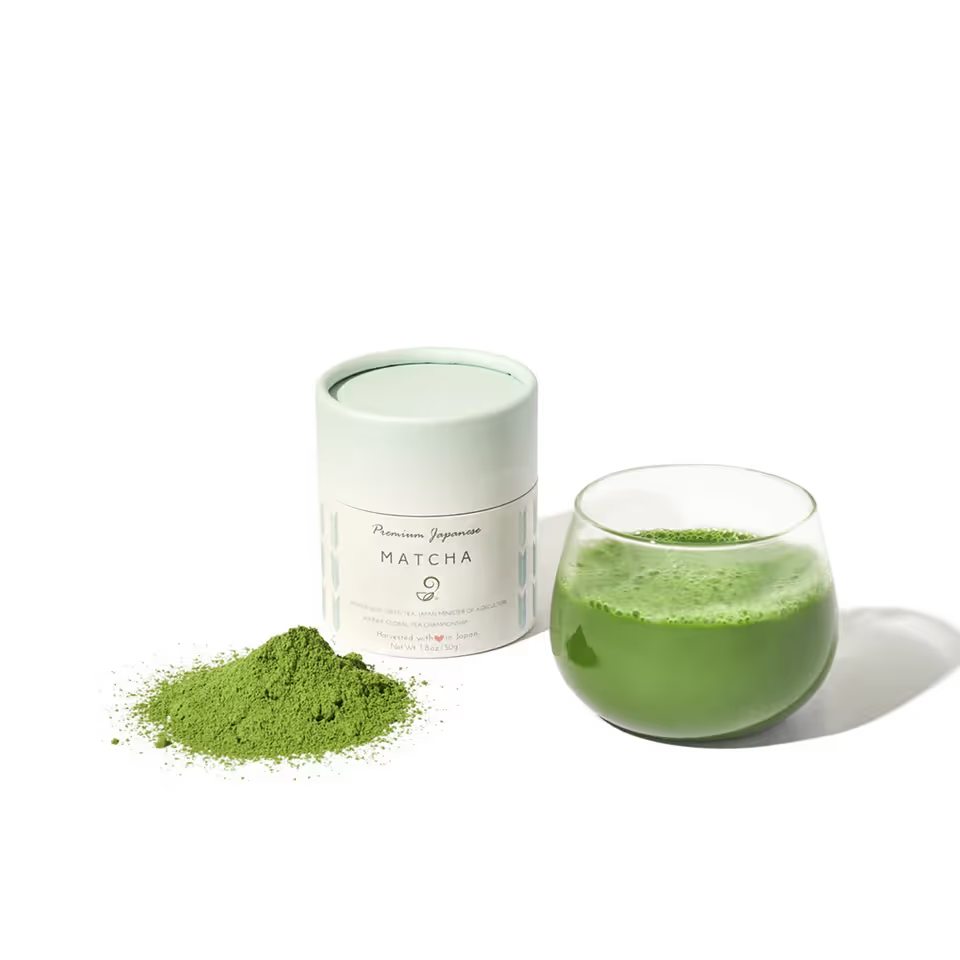
I tested this brand for several weeks, and what stands out immediately is the care taken with the quality of the leaves. The matcha I tried features a characteristic bright green color and an ultra-fine texture that mixes easily, a sign of a well-processed product. The taste is authentic, with that slight, natural bitterness typical of premium-grade matcha, without any harshness or excessive astringency. On the palate, you can detect a delicate umami that reflects a harvest and processing true to Japanese traditions.
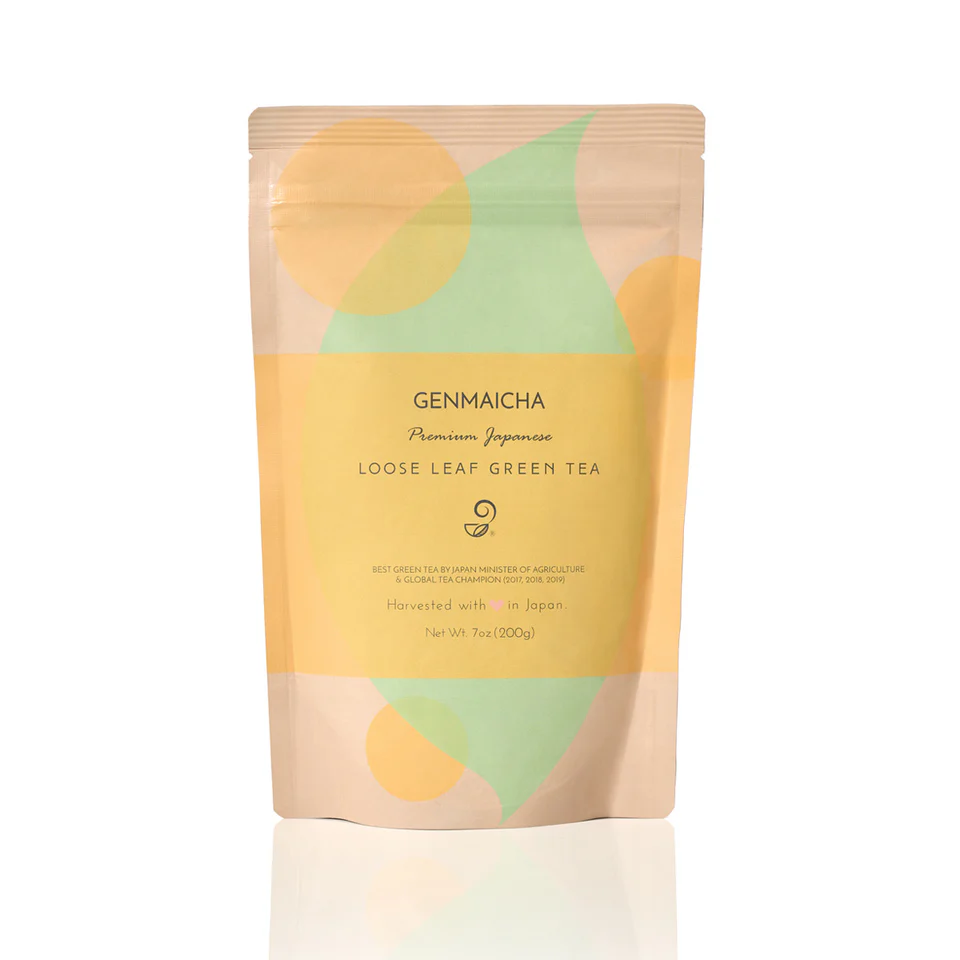
The Genmaicha also won me over with its balance of crispy roasted rice and high-quality green tea leaves. Unlike other brands where the rice quickly gets soggy after the first steep, this one retains its crunch, allowing for multiple flavorful infusions. The complete lack of bitterness makes this tea highly approachable, even for those who aren't used to Japanese green tea. What I particularly appreciate is the brand's transparency regarding the origin of their products and their farming methods, even though the pricing remains undeniably premium.


In this Japanese Green Tea Co review, we analyze a brand specializing in the direct import of premium Japanese green teas, cultivated using the traditional Chagusaba method in sugarcane-enriched soil.
Brand Rating
Product Rating
User experience
Delivery and customer service
My Experience with Japanese Green Tea Co
When I received my first shipment from Japanese Green Tea Co, the first thing that struck me was the quality of the packaging. The matcha arrives in an elegant biodegradable cylinder that effectively protects the powder from oxidation and light. Upon opening, the vibrant green color immediately attests to the freshness of the product.
I started by preparing a traditional matcha using about 1 gram of powder for 350 ml of water at 80°C. It dissolved without any clumps, even without a bamboo whisk, which is proof of the exceptionally fine grind. On the palate, the aromatic profile reveals sweet, slightly sugary vegetal notes, with that characteristic umami lingering pleasantly. The bitterness is present but measured, never aggressive, making the experience accessible even for those new to matcha.
The Genmaicha offered a completely different but equally satisfying experience. The blend of Fukamushi Sencha green tea and roasted mochi rice creates a perfect harmony between the roasted notes of the rice and the fresh vegetal character of the leaves. What impressed me was the ability to get three full infusions without losing flavor, with the rice retaining its crunch until the end. This characteristic is a testament to the superior quality of the ingredients used.
The moderate caffeine content (42 mg for the matcha, 34 mg for the Genmaicha) allows you to consume these teas throughout the day without the jitters. I particularly enjoyed the Genmaicha in the late afternoon, as its softer profile is ideal for a relaxing break. The matcha, on the other hand, accompanied me during my productive mornings, providing stable energy without the spike that coffee gives.
Presentation of Japanese Green Tea Co and Its Origins
Japanese Green Tea Co has built a solid reputation for importing authentic Japanese green teas directly from partner farms in the Shizuoka region. This area, located at the foot of Mount Fuji, benefits from an ideal climate for tea cultivation, with optimal natural conditions that promote the development of the complex aromas characteristic of the best Japanese teas.
The brand collaborates closely with Arahataen Inc., a family farm established in Makinohara, Shizuoka Prefecture. This farm applies the Chagusaba method, a traditional agricultural technique recognized by the Food and Agriculture Organization of the United Nations (FAO). This approach involves enriching the soil with compostable grasses and sugar cane, creating a nutritious growing medium that gives the tea leaves a distinctive natural sweetness.
Japanese Green Tea Co's commitment to quality is also evident in its collaboration with researchers from the University of Shizuoka. These scientists study the impact of soil composition on the taste profile of the tea, thereby continuously optimizing cultivation methods. This scientific approach, combined with traditional know-how, guarantees products of remarkable consistency.
Distribution follows an optimized logistical model: the teas are shipped weekly from Japan to strategically located warehouses in the United States, Canada, the United Kingdom, Europe, and Australia. This system maintains product freshness while avoiding extended delays and customs fees for local customers. Orders placed before 10 AM are shipped the same day via USPS, with free shipping in several geographic areas.
Premium Matcha vs Classic Coffee
| Criteria | Premium Matcha | Classic Coffee |
|---|---|---|
| Caffeine content | ✅ 42 mg per serving, gentle energy | ❌ 90-120 mg, more intense stimulation |
| Type of energy | ✅ Stable and prolonged thanks to L-theanine | ❌ Rapid spike followed by an energy crash |
| Nutritional richness | ✅ Concentrated antioxidants, vitamins, amino acids | ❌ Mainly caffeine, limited nutrients |
| Composition | ✅ 100% green tea leaves, additive-free | ❌ Variable, often sweetened or creamed |
| Origin and traceability | ✅ Identified farm in Shizuoka, Japan | ❌ Often unclear or multiple origins |
| Digestive impact | ✅ Gentle on the stomach, no acidity | ❌ Can cause acidity and gastric discomfort |
Overview of the Product Range
Japanese Green Tea Co structures its range around three main categories of authentic Japanese teas. The first groups together the matchas, available in culinary and ceremonial grades depending on the intended use. The second category includes loose-leaf green teas like Sencha, Gyokuro, and Genmaicha, each offering a distinct aromatic profile. Finally, the brand offers specialized teas like Benifūki, recognized for its specific properties related to its richness in methylated catechins.
All products share the same geographic origin, the Shizuoka region, and benefit from the Chagusaba cultivation method using sugar cane-enriched soil. This consistency in sourcing guarantees homogeneous quality across the entire range. The cultivars used are primarily Yabukita, a traditional Japanese variety prized for its balance of sweetness and character.
Matcha
Composition of Japanese Green Tea Co's Matcha
Japanese Green Tea Co's premium matcha is composed exclusively of finely ground Japanese green tea leaves, with no additives or fillers. The leaves come from the Yabukita cultivar grown using the Chagusaba method in sugar cane-enriched soil. Before harvest, the plants are shaded for several weeks to naturally increase the concentration of caffeine and amino acids, particularly L-theanine.
A 7-gram serving (about 1 tablespoon) contains 22.7 kilocalories, 0.37 g of total fat, 2.77 g of carbohydrates, and 2.07 g of protein. The product contains no trans fat, cholesterol, or sodium. Each serving provides 42 mg of natural caffeine, which is about a third of the amount found in a regular cup of coffee. The manufacturing process includes careful drying of the leaves, removal of stems and veins, and then grinding into an ultra-fine powder.
Origin of the Matcha Ingredients
The tea leaves used to produce this matcha come exclusively from Arahataen Inc. farm, located at 257 Nunohikihara in Makinohara, Shizuoka Prefecture, Japan. This family farm applies the Chagusaba method, recognized by the Food and Agriculture Organization of the United Nations, which involves naturally enriching the soil with compostable grasses and sugar cane.
This traditional agricultural approach, combined with the favorable climate of the Shizuoka region located at the foot of Mount Fuji, gives the tea a distinctive natural sweetness. The farm collaborates with researchers from the University of Shizuoka to optimize soil quality and its impact on the tea's aromatic profile. The matcha bears the "100% Made in Japan" label, guaranteeing that all stages of production, from cultivation to final processing, are carried out locally.
Price of Japanese Green Tea Co's Matcha
Japanese Green Tea Co's premium culinary matcha is offered in a 1.8 oz (50 grams) format, allowing you to prepare between 30 and 40 cups. The official price listed on the site generally varies around $39 to $60 USD depending on current promotions. Shipping is free for US orders via USPS First Class Shipping with a delivery time of 2 to 5 days.
For international customers, the brand also offers free shipping to Canada, the United Kingdom, Australia, and the European Union thanks to local warehouses that eliminate customs fees. The rest of the world benefits from an international shipping option via USPS International Priority Shipping with tracking for $29.99 per order, with a delivery time of 6 to 10 days. The brand offers a 30-day money-back satisfaction guarantee and a 6-month price guarantee.
Genmaicha
Composition of Japanese Green Tea Co's Genmaicha
Japanese Green Tea Co's Genmaicha combines Japanese green tea of the Fukamushi Sencha (deep-steamed tea) type with roasted mochi-gome brown rice, a premium Japanese glutinous rice variety. This two-part composition contains no additives or preservatives. The tea cultivar used is Yabukita, grown using the Chagusaba method in sugar cane-enriched soil.
A 7-gram serving prepared in 350 ml of water provides 22.3 kilocalories, 0.34 g of total fat, 2.62 g of carbohydrates, and 2.20 g of protein. The product contains no trans fats, cholesterol, sodium, or added sugars. The caffeine content is 34 mg per serving, or about a third of the amount found in a cup of coffee, making this tea particularly suitable for evening consumption or for people sensitive to stimulants.
The roasted rice brings characteristic toasted notes that naturally soften the taste of the green tea, while adding a complex aromatic dimension reminiscent of popcorn. This combination creates a balanced flavor profile, less astringent than pure Sencha, while retaining the beneficial properties of green tea polyphenols.
Origin of the Genmaicha Ingredients
Like all products in the Japanese Green Tea Co range, the Genmaicha comes entirely from the Arahataen Inc. farm in Makinohara, Shizuoka Prefecture, Japan. The green tea leaves are grown using the traditional Chagusaba method with soil enriched with sugar cane and compostable grasses, an agricultural technique that promotes biodiversity and improves the taste quality of the tea.
The brown rice used is high-quality mochi-gome, a variety of Japanese glutinous rice specifically selected for its texture and its ability to retain its crunch after roasting. This rice is roasted until it achieves that characteristic golden color and hazelnut aromatic notes that perfectly complement the vegetal profile of the green tea. The product bears the "100% Made in Japan" certification, guaranteeing that every ingredient and every processing step meets Japanese standards.
Price of Japanese Green Tea Co's Genmaicha
The Genmaicha is sold in a 7.0 oz (200 grams) format, allowing you to prepare between 50 and 60 cups of tea. The resealable eco-friendly packaging measures 15.2 cm in width, 22.8 cm in height, and 3.8 cm in depth, ensuring optimal preservation of the product. The price generally ranges between $25 and $36 USD depending on the promotional offers available on the official site.
Shipping follows the same conditions as the other products in the range: free in the United States with delivery in 2 to 5 business days via USPS First Class Shipping, and also free to Canada, the United Kingdom, Australia, and the European Union thanks to local warehouses. Orders placed before 10 AM Eastern Time are shipped the same day, Monday through Friday. The brand applies its 30-day money-back satisfaction guarantee policy to this product.
Benefits, Profiles, and Uses of Japanese Green Tea Co
The teas offered by Japanese Green Tea Co cater to different user profiles depending on their energy needs and taste preferences. The premium matcha is particularly suitable for people looking for a coffee alternative that provides sustained energy without the jitters, thanks to the synergistic combination of moderate caffeine and L-theanine. This aromatic profile appeals to lovers of pronounced vegetal flavors and natural umami.
Genmaicha finds its audience among a broader group, including beginners in Japanese green tea and people sensitive to caffeine. Its composition combining roasted rice and green tea significantly softens the natural bitterness while bringing comforting toasted notes. This tea is particularly appreciated in the late afternoon or evening, as its mild profile promotes relaxation without disrupting sleep.
Use cases vary depending on the product: matcha easily integrates into culinary preparations (lattes, smoothies, pastries) or is consumed traditionally whisked in hot water. Genmaicha is prepared as a classic infusion and withstands several successive infusions without losing its flavor. Both products are suitable for daily consumption thanks to their purity and absence of additives.
Composition and Technical Analysis of Japanese Green Tea Co
The technical analysis of Japanese Green Tea Co products reveals remarkable consistency in sourcing and processing. Complete traceability back to the Arahataen Inc. farm in Shizuoka is an undeniable strong point, allowing consumers to verify the exact origin of what they are consuming. This transparency is accompanied by detailed nutritional information for each product.
The Chagusaba cultivation method, scientifically validated by the University of Shizuoka, brings real added value to the taste profile. The enrichment of the soil with sugar cane translates into a noticeable natural sweetness during tasting, reducing the need for artificial sweeteners. This approach respects the principles of sustainable agriculture while optimizing organoleptic quality.
The clarity of the nutritional values (calories, fats, carbohydrates, proteins, caffeine) for each standardized serving makes it easy to integrate these teas into a balanced dietary routine. The total absence of additives, preservatives, colorings, or artificial flavors meets the expectations of consumers looking for pure products. The published nutritional values also show the absence of added sugars, trans fats, and sodium.
The processing method respects traditional Japanese standards: pre-harvest shading for matcha, deep steaming (Fukamushi) for the Sencha used in the Genmaicha, controlled drying, and stone grinding to achieve the characteristic matcha texture. These ancestral techniques guarantee the maximum preservation of beneficial compounds like catechins, amino acids, and vitamins naturally present in green tea.
Japanese Green Tea Co's Bestsellers
Japanese Green Tea Co Matcha
The premium culinary matcha stands out as the brand's flagship product, praised by professional Japanese chefs and everyday consumers alike. Its versatility is its main strength: it excels equally in traditional whisked preparations and modern culinary creations like lattes, smoothies, or pastries. Customer reviews consistently highlight the powder's exceptional fineness, its vibrant green color, and its authentic taste, completely free of harsh bitterness.
This product boasts a recognition that goes beyond mere commercial success: its unparalleled aroma is the direct result of the Chagusaba growing method and the expertise of Arahataen Inc. The 50-gram format provides an excellent quantity-to-use ratio, allowing for 30 to 40 servings. Users particularly appreciate the sustained energy it delivers, thanks to its moderate caffeine content naturally balanced by L-theanine.
Japanese Green Tea Co Genmaicha
Genmaicha serves as the ideal gateway into the world of Japanese green tea for beginners. Its unique aromatic profile, marrying the roasted notes of premium mochi rice with the vegetal freshness of Fukamushi Sencha, appeals to a broad audience, including those who typically find green tea too bitter. Customer feedback consistently emphasizes the exceptional quality of the rice, which retains its crunch even after multiple infusions, a rare characteristic that reflects a rigorous selection of ingredients.
This bestseller perfectly meets the needs of consumers looking for a comforting, low-caffeine beverage (34 mg per serving) to accompany their relaxing moments. The generous 200-gram format, which allows for 50 to 60 brews, explains its commercial success. Lovers of traditional Japanese tea appreciate its authenticity, while novices find it to be a gentle and accessible introduction to Japanese tea heritage.
My final verdict: Is Japanese Green Tea Co worth its premium positioning?
After several weeks of daily use of Japanese Green Tea Co products, my verdict is based on an overall assessment of their intrinsic quality, transparency, and value for money. This brand clearly stands out from the majority of green tea distributors through its rigorous sourcing and its commitment to providing complete traceability. Being able to precisely identify the farm, the cultivar, the cultivation method, and even the exact contact details of the producer is a rare guarantee in the tea industry.
The taste quality is confirmed with every cup: the matcha boasts that silky texture, vibrant color, and pronounced umami that characterize high-end Japanese products. There is no trace of chemical bitterness or metallic taste, which are telltale signs of a lower-quality or poorly stored matcha. The Genmaicha particularly impressed me with its ability to maintain its flavor profile over three successive infusions, a performance I have only seen from the best producers.
The consistency between the marketing messaging and the actual product is worth highlighting. When Japanese Green Tea Co claims to use the Chagusaba method and sugarcane-enriched soil, that natural sweetness is genuinely noticeable during tasting. This authenticity contrasts with certain competitors who make numerous claims without any verifiable substance. Their documented collaboration with Shizuoka University also adds a credible scientific dimension to their approach to quality.
Pricing remains the main sticking point. At around $40-$60 for 50 grams of matcha, it is clearly positioned at the high end of the market. However, this pricing strategy comes with concrete benefits: free shipping to various regions, a 30-day money-back guarantee, a 6-month price-match policy, and same-day shipping for orders placed before 10 AM. These services add genuine value that partially justifies the premium.
Who is this brand really for? It is ideal for knowledgeable Japanese tea enthusiasts who prioritize quality and traceability over rock-bottom prices. Anyone looking to discover what a truly premium Japanese matcha tastes like will find a reliable benchmark here, far removed from the greenish powders sold on the cheap by certain retail chains. Beginners might want to start with the more accessible Genmaicha before diving into the matcha.
I particularly recommend Japanese Green Tea Co to consumers who care about the environmental and social impact of their purchases. The Chagusaba method promotes biodiversity, the packaging is biodegradable or recyclable, and the direct-import model eliminates unnecessary middlemen. This consistent, holistic approach justifies a more substantial investment than a conventional product.
In conclusion, I believe Japanese Green Tea Co fully deserves its premium positioning, provided you are willing to pay for verifiable quality and rare transparency. It is certainly not the cheapest brand, but it is undeniably one of the most reliable for anyone looking to discover, or rediscover, authentic Japanese green tea. Discover their products and judge for yourself whether this quality lives up to your expectations.
Want to compare Japanese Green Tea Co with other brands? Check out our best matcha brands of 2025 comparison to find the product best suited to your needs.

LMC’s editorial line is built around transparency and reliability. Our content is written to help users make better decisions, based on 7 key criteria* that support trustworthy information, verified promo codes, and useful reviews.
To support LMC, some links are affiliate links. Our recommendations remain independent and based on transparent, verifiable criteria. By using the site, you accept our terms of use and our editorial policy.


🎁 Get an exclusive -50% promo code by signing up. Not available anywhere else.
We have negotiated for you an exclusive 50% off promo code on a well-known brand of mushroom coffee. Interested? Register and receive your code directly by email.
The 7 key criteria of our editorial staff
Every piece of content published on LMC is carefully written by engaged specialists following a rigorous process. LMC is committed to delivering information that is reliable, useful, and genuinely easy to read.
Specialized and involved writers


Rigorous research for each piece of information
Full transparency on sources

Taking into account your real needs
Original and authentic content
Continuous updating of articles
.webp)
Compliance with standards and editorial ethics

LMC’s favorite pick 💛
Our favorite pick of the month — well worth trying.
.avif)
pick
Mush N Go