

Black seed oil (Nigella sativa, also called black cumin or habba sawda) is one of the most sought-after oils in France. Its traditional reputation is huge, and that's precisely what leads many people to take it daily without a second thought.
Yet the question deserves to be asked: is black seed oil dangerous? The honest answer is nuanced. For most healthy adults, reasonable use is generally well tolerated. But there are real contraindications, documented side effects and drug interactions you need to know about. Here's the full rundown, without alarmism or sugarcoating.

The most frequently reported side effects
The discomforts reported are most often mild and linked to the dose or the timing:
- Digestive issues: nausea, heartburn, bloating or reflux, especially on an empty stomach or at high doses. This is by far the most common reason people stop.
- Skin reactions: applying it to the skin can cause redness or irritation in sensitive people. A patch test in the crook of the elbow before wider application is a simple precaution.
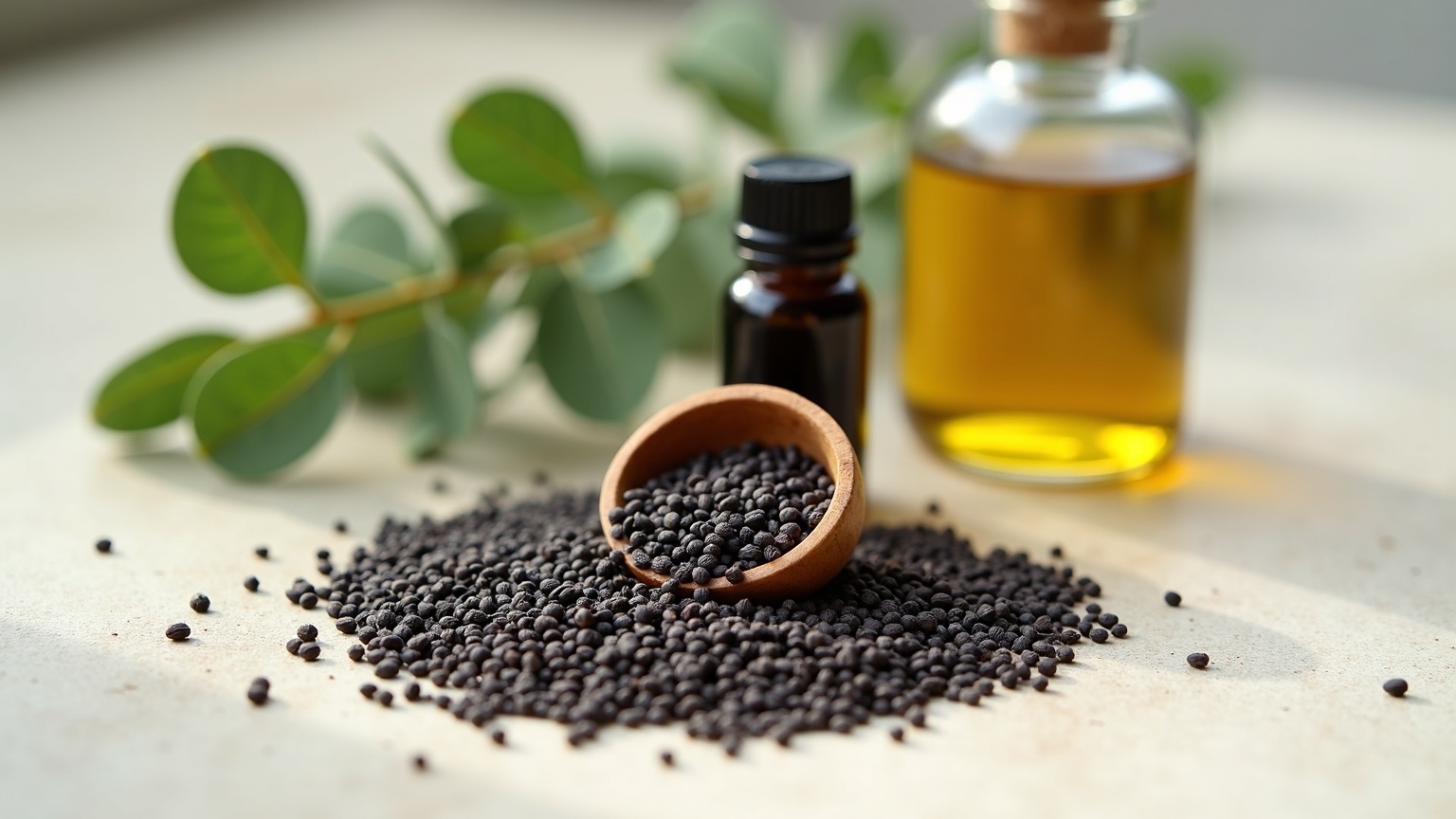
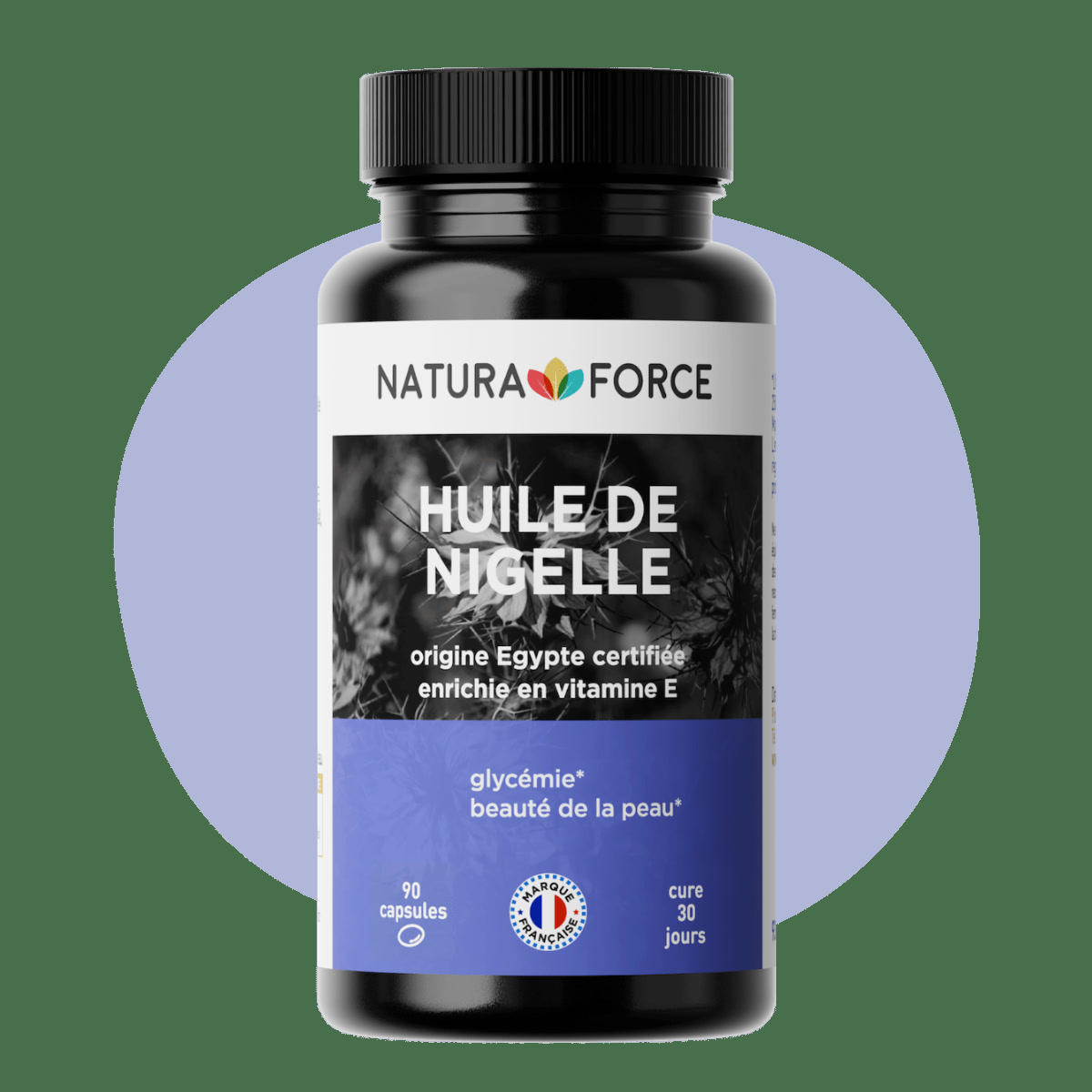
- Taste and smell: very strong, sometimes hard to tolerate, which explains why capsules are more popular than the liquid oil.
- Allergic reactions: rare but possible, as with any plant.
Contraindications to take seriously
Some situations call for medical advice before taking it, and these aren't just formalities:
- Pregnancy and breastfeeding: caution is needed, especially at high doses. In the absence of sufficient data, avoiding it is the reasonable rule.
- Anticoagulant treatment: black seed can theoretically affect blood clotting. If you take an anticoagulant or antiplatelet drug, talk to your doctor.
- Scheduled surgery: as a precaution, stopping before the procedure is often advised. Always tell the medical team about your supplements.
- Diabetes under treatment: since an effect on blood sugar has been suggested, monitoring is needed to avoid any additive effect with the treatment.
- Low blood pressure or blood pressure medication: the same logic of caution applies.
- Children: use should remain supervised by a healthcare professional.
Drug interactions: the real point of caution
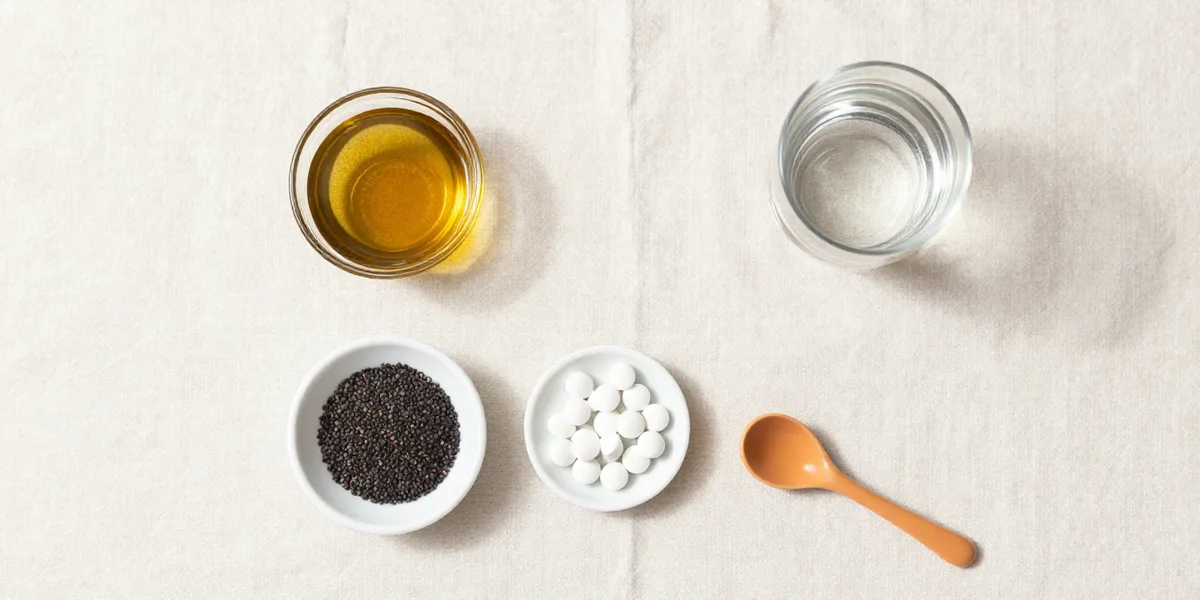
This is where the main risk lies, far more than in the product's own toxicity. An active plant can change the effect of a medication. The drug classes to watch are anticoagulants, diabetes medications, blood pressure medications, immunosuppressants and sedatives.
The rule is simple and applies to all supplements: if you're on long-term treatment, ask your doctor or pharmacist before you start. Never change a treatment on your own because you're taking a plant.
What dose is reasonable?
There's no universal dose. In practice, common use is around one teaspoon a day for the liquid oil, or the dosage indicated by the manufacturer for capsules. Three common-sense principles:
- Start low and increase gradually to test your digestive tolerance.
- Take it with a meal rather than on an empty stomach, which limits most discomfort.
- Take it in courses rather than continuously without end, and follow the product's dosage.
More isn't better. Most reported side effects come from overdosing, not from the product itself.
Product quality changes everything
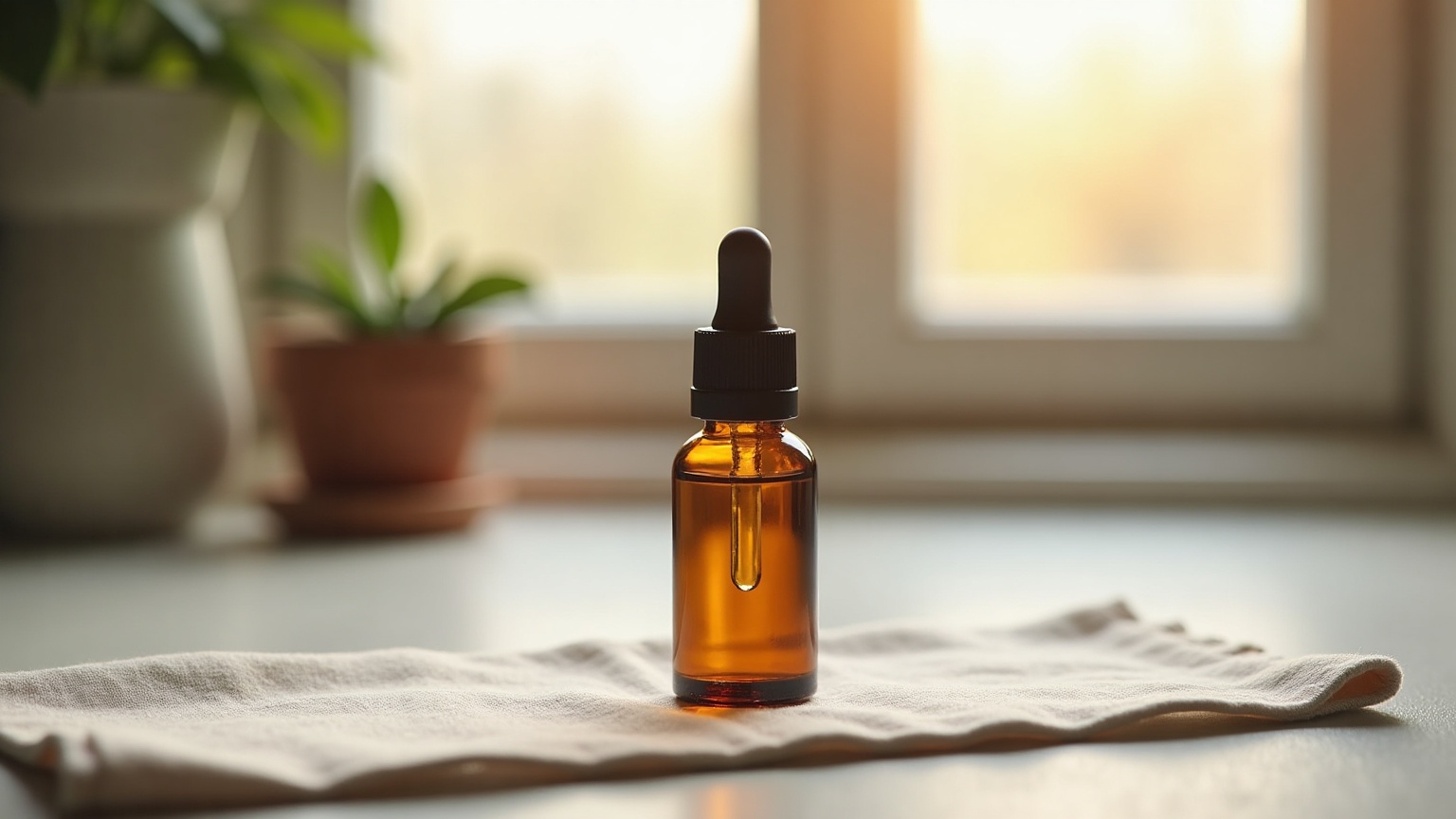
An often overlooked point: the risk also depends on what you buy. A poor-quality oil, oxidized or badly stored, will be far less well tolerated than a fresh, properly pressed oil. The criteria that matter:
- Cold-pressed and first pressing, which preserve the active compounds.
- Opaque container and storage away from light and heat.
- Traceable origin and organic certification when available.
- Recent production date: a rancid oil is a bad product, whatever its price.
We break down these criteria brand by brand in our comparison of the best black seed oils.
So, dangerous or not?
Let's put things in perspective. Black seed oil isn't a dangerous product in itself for a healthy adult who sticks to the doses. It becomes risky in three specific cases: when you're on medication without medical advice, during pregnancy, and with prolonged overdosing.
So the right reflex isn't to be afraid of it, but to treat it for what it is: an active product, to be used methodically and not as an ordinary food.
When to see a doctor
Stop taking it and seek medical advice if you notice a widespread skin reaction, persistent digestive issues, feeling faint, or any unusual symptom after starting supplementation. Always tell your doctor about the supplements you take, including those sold over the counter.
Frequently asked questions about black seed oil dangers
Can you take black seed oil every day?
Daily use at a reasonable dose is common among healthy adults. However, the most cautious practice is still to take it in courses rather than continuously for years, and to follow the dosage indicated by the manufacturer.
Is black seed oil dangerous for the liver?
At usual dietary doses, no liver problems are typically reported in healthy adults. Caution applies to very high doses, prolonged use without breaks, and people who already have liver damage or take medications metabolized by the liver. If you have a known liver condition, medical advice is essential.
Oil or capsules: is there a difference in tolerance?
Yes, in practice. Capsules avoid the very strong taste and make dosing easier, which reduces people giving up and accidental overdoses. The liquid oil allows skin and culinary use. The choice mainly depends on how well you tolerate the taste.
Can you combine it with other supplements?
It's possible, but taking several active supplements automatically increases the risk of interaction and makes it impossible to identify the cause if a side effect appears. Introduce one product at a time, leaving a few days between each new one.
What should you do about heartburn?
Take it in the middle of a meal rather than on an empty stomach, halve the dose for a few days, and consider the capsule form. If the discomfort persists despite these adjustments, stop and ask your pharmacist for advice.
This article is for informational purposes only and does not replace medical advice. If you are on treatment, pregnant, breastfeeding or have a medical condition, ask your doctor or pharmacist for advice before taking any supplement.

LMC content is written by our editorial team from the information published by the brands. Scores out of 10 follow a public grid of 5 criteria*, supplemented by LMC’s editorial assessment.
To support LMC, some links are affiliate links: LMC earns a commission at no extra cost to you, and some of the brands featured are partners. By using the site, you accept our terms of use and our editorial policy.