



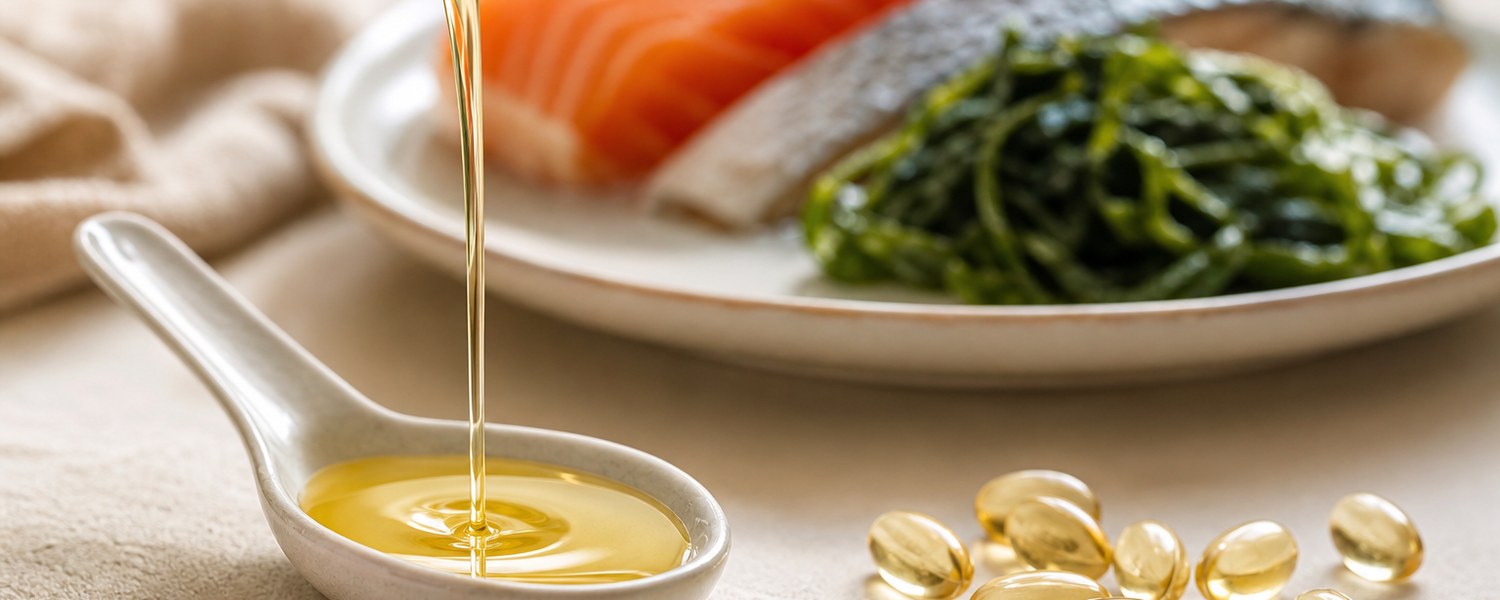
Choosing halal omega 3 looks simple at first: find fish oil, check the EPA/DHA numbers, then order. In reality, the sensitive point is not always the oil itself. It is often the capsule shell, the gelatine, possible flavourings, antioxidants and the level of evidence the brand is able to provide.
A smart purchase means reading the product as a whole. Fish oil may be acceptable for many consumers, but an undocumented animal gelatine softgel can be a problem if your halal requirement is strict. In the same way, algal DHA can be an excellent option, but you still need to check the capsule, the carrier oil and the additives.
At LMC, we prefer a simple method: separate the source, the format, the useful dosage and the evidence available. The goal is not to promise that a product is halal without a certificate. The goal is to give you a reliable reading grid so you can buy more calmly, ask better questions and avoid easy marketing claims.
Halal omega 3: the quick verdict before you buy
If you want the short version, prioritise a short formula, EPA and DHA clearly stated per daily serving, a plant-based capsule or a clearly documented gelatine source, and a brand able to provide a certificate or written confirmation if you need one. If your halal requirement is strict, do not rely on “pork-free” or reassuring packaging alone: ask for evidence.

How to identify halal omega 3 when the capsule is the real issue
Most omega 3 supplements are sold as softgels. That is convenient, but it is also where the checks begin. A capsule may contain fish gelatine, bovine gelatine, a plant-based shell or a blend with glycerine and other texture agents. Without clear information, you cannot conclude.
The oil source still matters, but it is not enough. A product can say “wild fish oil” or “algal DHA” and remain vague about the shell. For a halal-conscious routine, the question is broader: what is the oil source, what is the capsule made from, which excipients are used and what evidence can the brand provide?
- Capsule: look for plant-based, fish gelatine or a clearly stated origin.
- Bovine gelatine: it requires traceability and, for strict buyers, certification or written evidence.
- Oil: fish, krill or microalgae, with origin and process as transparent as possible.
- Additives: vitamin E, flavourings, glycerine, colourings and texture agents should be easy to read.
Fish oil, krill or plant-based DHA: which omega 3 source should you choose?
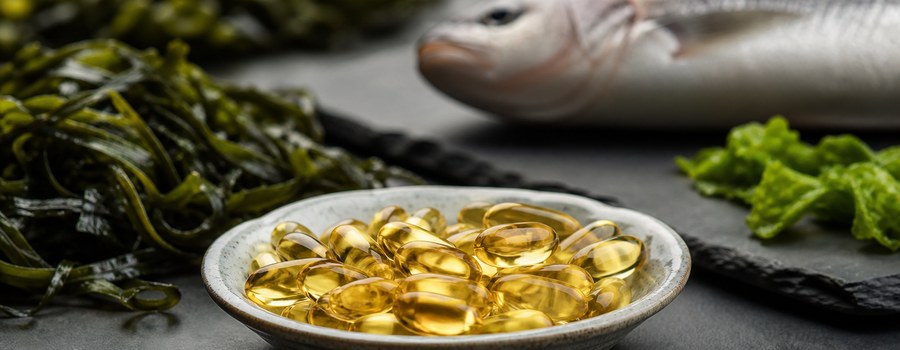
Fish oil is the most common option. It can provide meaningful amounts of EPA and DHA, especially when the product is concentrated. The points to check are overall quality: species used, purification, freshness, oxidation information when available and the real dosage per serving. Do not be impressed by a large number on the front label if EPA and DHA are low.
Krill is sometimes presented as more premium. It can be interesting, but it is often more expensive and almost always encapsulated. From a halal perspective, it does not remove the need to check the shell and excipients. If the brand gives no precise information, the higher price does not compensate for the uncertainty.
DHA from microalgae is useful for people who want to avoid an animal source or who prefer a formula that is easier to justify. However, some products provide mainly DHA and little or no EPA. Again, the label matters most: source, carrier oil, capsule and conformity evidence.
EPA and DHA: the two numbers to check before the price
Comparing two omega 3 products by capsule count is a very common mistake. A 1000 mg fish oil capsule does not mean 1000 mg of EPA/DHA. The active fraction may be much lower. The right comparison is the amount of EPA and DHA per daily serving, then the cost of that real serving.
Also look at the practicality of the serving size. If a product requires six capsules a day to reach a reasonable intake, it may be less convenient, more expensive and harder to use consistently. A good supplement should be understandable without complicated maths. The label should tell you what you are taking in under a minute.
The halal checklist before adding omega 3 to your basket
Before buying, take a screenshot or note the key information. This habit prevents rushed decisions, especially when a product page mixes many quality claims. For a calmer purchase, use the LMC checklist.
- Is the source clearly stated: fish, krill or microalgae?
- Is the capsule plant-based, fish gelatine or documented bovine gelatine?
- Is the EPA/DHA dosage shown per serving, not only per 100 g or per bottle?
- Can the brand provide a halal certificate, statement or written answer if you ask?
- Does the formula contain flavourings, colourings or carriers that deserve an extra question?
- Do the date, packaging and oxidation protection inspire confidence?
Oxidation, rancid taste and freshness: the quality check people forget
Omega 3-rich oils are sensitive. Poor storage, too much heat or an old product can damage the experience. Without making medical promises, it is fair to say that an oil supplement should smell and taste acceptable, be properly sealed and come from a brand that takes quality seriously.
Some manufacturers publish testing, purification standards or information on heavy metals and oxidation. This is not always mandatory for a purchase, but it is a good sign. A brand that is transparent on quality is often more serious when you ask questions about capsules or certification.

Our LMC recommendation: Argalys, with evidence checks
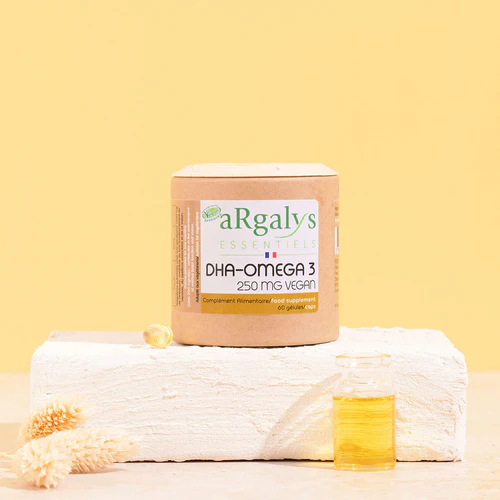
For this search intent, the most relevant LMC partner is Argalys. Our team rates the brand 8.5/10, and its DHA omega 3 offer fits readers looking for a readable formula that is easy to compare and use in a routine.
Important: this recommendation does not replace halal certification. If your requirement is strict, ask the brand for evidence, a certificate or at least written confirmation about the capsule, excipients and process. That is the only way to avoid relying on a general promise.
Discount code: LMC to get 10%.
Discover Argalys with the code LMC
Common mistakes with halal omega 3
- Comparing only capsule count: the real issue is EPA/DHA per serving.
- Assuming fish means automatically halal: the shell and excipients still need checking.
- Confusing pork-free with halal-certified: strict buyers should ask for evidence.
- Choosing only the cheapest option: a poorly dosed or unclear oil can cost more in practice.
- Forgetting flavourings: flavoured versions may add unnecessary grey areas.
How to fit omega 3 into a simple routine
The best routine is the one you actually follow. Choose a stable moment, for example with a meal, and avoid changing several supplements at the same time. This helps you observe tolerance, convenience and consistency without mixing too many variables.
If you already use whey, creatine or other supplements, keep the logic minimalist. A useful supplement does not need a complicated routine. It should answer a real need, be properly dosed and remain compatible with your halal requirement.
Useful internal guides before you compare products
If you want to broaden your checks, read our guide to halal supplements and our article on halal collagen. The same reflexes often come back: source, capsule, excipients, evidence and brand transparency.
FAQ about halal omega 3
Is fish oil omega 3 automatically halal?
No. Fish oil may be compatible with many requirements, but you still need to check the capsule, excipients and available evidence. For a strict requirement, ask for a certificate or written confirmation.
Does a plant-based capsule solve the whole issue?
It solves an important part of the issue because it avoids animal gelatine. You should still check the oil, flavourings, carriers and the seriousness of the brand.
Should I choose EPA, DHA or both?
It depends on your goal and diet. For product comparison, the key point is that EPA and DHA amounts should be clearly shown per daily serving.
Our verdict on halal omega 3
A good halal omega 3 is not just a well-presented oil. It is a product where the source, capsule, excipients, dosage and evidence are easy to understand. If the brand answers clearly, confidence increases. If it stays vague, skip it or ask for more information before buying.
How to read a halal omega 3 label line by line
A good label check starts with the serving size. Many pages highlight “1000 mg fish oil”, but the most useful line is lower down: EPA, DHA and amount per serving. If that information is missing, the product becomes hard to compare and deserves a question to customer support.
Then read the full ingredient list. An ideal formula is short: oil, capsule, possibly an antioxidant. The longer the list becomes, the more you need to understand the role of each element. That is not automatically negative, but a serious halal-conscious supplement should be readable.
Finally, look at quality claims without confusing them with religious evidence. “Purified”, “tested”, “heavy metal checked” or “premium quality” mainly describe product control. For halal, you need information on sensitive ingredient origins and, if your requirement is strict, certification or written confirmation.
Simple questions to send a brand before buying
If the product page is not clear, send a short message. Serious brands usually prefer precise questions to vague debates. You can ask: “What is the origin of the gelatine or capsule?”, “Do you have a halal certificate for this batch?”, “Do flavourings or excipients use an alcohol-based carrier?”.
The quality of the answer matters as much as the content. A detailed answer with product reference, batch information or a document builds more trust than an automatic sentence. If customer support only says “our products are suitable for everyone”, that is not enough evidence for a strict requirement.
Who should avoid overly complex formulas?
Flavoured, multi-oil or enriched formulas can look more complete, but they add checkpoints. If you are new to supplements or want conformity that is easy to document, choose simple. A well-dosed oil, a clear capsule and available evidence are better than an attractive but opaque blend.
This caution is even more useful when buying for a family, for someone very strict about halal, or for anyone who does not want to contact every brand. In that case, simplicity reduces the risk of error and makes the routine more sustainable.
What if the product only says “gelatine”?
A “gelatine” mention without origin is not enough for a strict halal requirement. It may be pork, bovine, marine or come from a supply chain that is hard to verify. In that case, do not infer anything from the country of sale, packaging or price. Ask for the exact origin and the related evidence.
If the brand cannot answer, choose a more transparent alternative. This is not necessarily a judgement on the nutritional quality of the product. It is a conformity decision: when information is missing, the risk of error increases.
A five-minute decision method
When you hesitate between two products, score each criterion simply: usefulness, readability, format, evidence and real cost per serving. A product that wins only on price but loses on evidence is not necessarily the best choice. A more expensive but clearer product may be more reassuring if it helps you avoid bad orders.
This method is intentionally practical. It does not replace the opinion of a scholar, certifier or health professional when your situation requires it. It mainly helps you avoid buying under pressure, compare calmly and keep a routine aligned with your values.
The final check before ordering
If you are still unsure, choose the simplest product that answers your main need and is easy to document. A clear formula with readable dosage and a responsive brand is usually a safer choice than a spectacular product page with missing details.
Keep the brand answer, certificate or screenshot in your notes. This small habit makes future reorders easier and helps you compare new products without starting the whole verification process from zero.
That small archive is especially useful when packaging changes or when you compare a new flavour from the same brand.

LMC’s editorial line is built around transparency and reliability. Our content is written to help users make better decisions, based on 7 key criteria* that support trustworthy information, verified promo codes, and useful reviews.
To support LMC, some links are affiliate links. Our recommendations remain independent and based on transparent, verifiable criteria. By using the site, you accept our terms of use and our editorial policy.




.webp)

.avif)