




Halal collagen is more nuanced than it first appears. Many product pages reduce the decision to a simple choice between marine and bovine collagen, but the real buying decision sits in the details: raw material origin, hydrolysis, additives, flavours, delivery format, certification and the brand’s ability to provide clear evidence.
At LMC, we prefer to think like a demanding but practical buyer. Collagen may have a place in a beauty, sports or everyday wellness routine, without turning it into a medical promise. The goal here is not to sell a miracle product. It is to help you read a label, ask better questions and avoid the grey areas that often come with animal-derived supplements.
For many Muslim consumers, the simplest starting point is often a marine collagen powder with a short ingredient list. That is not an automatic guarantee. You still need to check the species used, the flavours, any carriers and whether a halal certificate exists. If your requirement is strict, do not rely on a decorative logo or a vague statement. Ask for a certificate, a batch reference or written confirmation from the brand.
In this guide, we compare marine collagen, bovine collagen, Peptan, capsules and gummies, then finish with a practical checklist. If you are building a complete routine, you can also read the LMC guides on halal whey, halal omega 3 and halal supplements to apply the same method across your stack.
Halal collagen: the quick buying verdict
If you want the short version, prioritise hydrolysed collagen powder, preferably marine, with a clearly stated origin, very few ingredients and halal evidence available if your standards require it. Be more cautious with highly processed formats when the brand does not explain gelatine, flavours or excipients.

How to tell whether collagen fits a halal requirement
Collagen always comes from an animal raw material. The halal question therefore cannot be handled like a simple synthetic vitamin or mineral. You need to start with the source, then follow the manufacturing chain through to the finished product.
Three levels matter. The first is the animal source: fish, bovine or, in some markets, porcine. The second is the process: extraction, hydrolysis, enzymes, filtration and drying. The third is the finished formula: flavours, sweeteners, anti-caking agents, capsules, gummies or blends with other actives.
A claim such as “pork-free” can be reassuring, but it does not answer everything. Bovine collagen can be pork-free and still not be documented enough for someone who requires verified halal slaughter. Marine collagen may be easier to accept, yet a complex flavour or gelatine capsule can still create a grey area.
The practical method is to place each product into one of three groups: clearly documented, probably acceptable but worth confirming, or too vague. This avoids rushed judgements and lets you buy according to your own level of requirement.
- Clear source: the label states marine, bovine or fish collagen peptides without ambiguous wording.
- Short formula: fewer flavours, gummies, capsules and blends make verification easier.
- Available evidence: halal certificate, technical sheet or detailed written answer from the brand.
- Traceable batch: ideally, the evidence relates to the sold product, not just a generic factory claim.
Marine halal collagen: why it is often the simplest choice
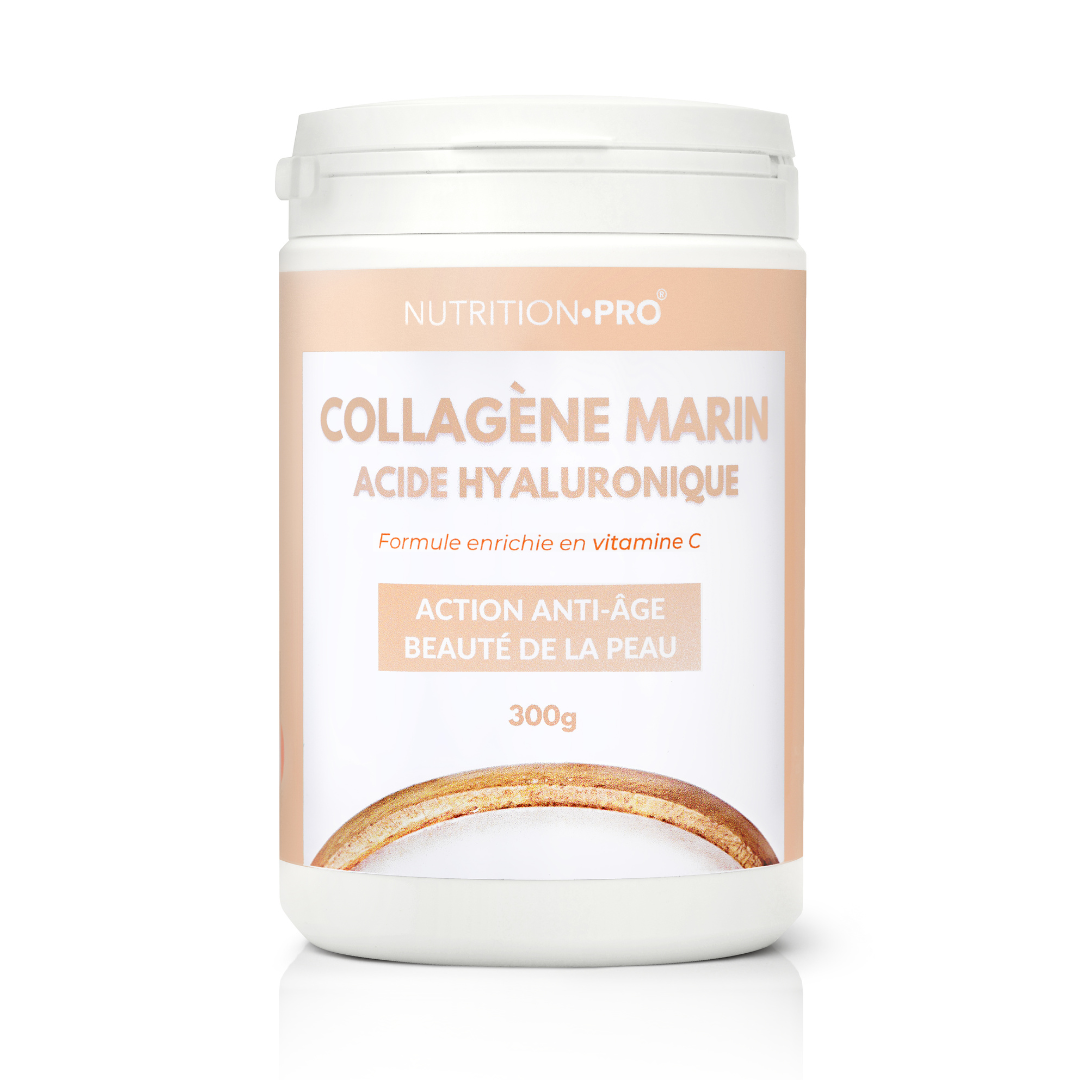
Marine collagen is usually made from fish skin, scales or bones. For many Muslim consumers, this source raises fewer questions than bovine collagen because it avoids the slaughter issue. That is why it often appears first in practical recommendations.
Still, you should not buy blindly. The word “marine” must be explicit, not merely suggested by blue packaging or ocean imagery. Look for terms such as “hydrolysed marine collagen”, “fish collagen peptides” or a clearly stated species. If the brand remains vague, ask for the technical sheet.
Unflavoured powder is the easiest format to verify. It may contain only one ingredient, which limits questions around excipients. Once you choose a flavoured version, add another check: flavour type, flavour carrier, sweeteners, colours and any alcohol-related processing details if relevant.
Taste and digestion also matter. Marine collagen can sometimes have an iodine or fishy note if the flavouring is poor. That is not a halal issue, but it is an everyday use issue. A product you stop taking after three days, even if well documented, is not a good purchase.
Bovine halal collagen: possible, but it needs stronger evidence
Bovine collagen can fit a halal routine when the origin and process are properly documented. The issue is that many brands focus on terms such as “grass-fed”, “pasture-raised” or “responsibly sourced”. Those details may help judge quality, but they do not replace halal evidence.
If you are considering bovine collagen, ask for the cattle origin, country of processing, certification of the raw material and certification of the finished product if it exists. A serious answer should be precise. “Premium quality ingredients” or “high supplier standards” does not answer the religious question.
Bovine collagen may also appear in multi-collagen blends. Some products combine types I, II, III, V or X with several animal sources. This can look more complete from a marketing angle, but it becomes harder to audit. The more animal sources there are, the stronger the evidence should be.
If your requirement is strict, bovine collagen without a clear certificate should be treated as a product to confirm before purchase. That is not a judgement against the product. It is a sensible rule of caution.
Peptan, hydrolysed and peptides: useful words, but not halal proof
Peptan is a branded collagen peptide ingredient. It may exist in bovine, porcine or marine versions depending on the raw material. The ingredient name alone is therefore not enough. What matters is the exact variant, its source and the documents attached to it.
The word “hydrolysed” means collagen has been broken down into smaller peptides. This is common in supplements because it helps the powder mix into drinks and makes daily use easier. But hydrolysed does not mean halal. It is a process description, not a religious certification.
“Collagen peptides” usually refers to this hydrolysed form. It is useful for comparing products, but not enough to conclude. On a serious label, you should be able to connect the word peptides to a source: fish, certified bovine or another clearly identified raw material.
Capsules, gummies and shots: formats that make verification harder
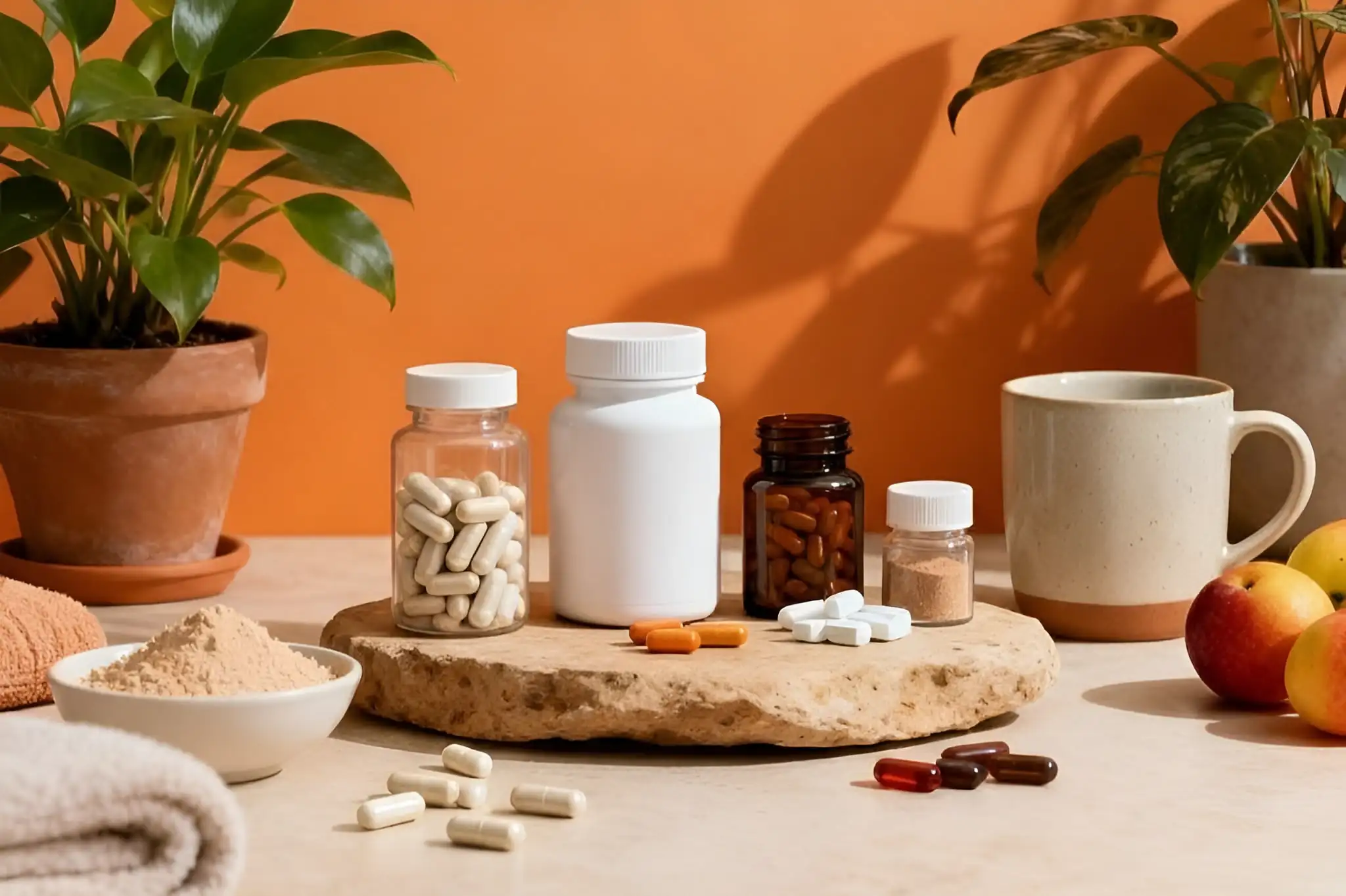
Plain powder is usually the most readable format. Capsules, gummies and ready-to-drink shots add layers of formulation. A capsule may be plant-based, bovine gelatine, fish gelatine or an unspecified source. A gummy may contain gelatine, pectin, colours, flavours and several texture agents.
Gummies are especially tempting because they feel effortless. Yet they are often among the hardest products to validate. If the page does not state pectin or certified fish gelatine, ask. A simple pork-free claim does not always answer questions about bovine sources or processing aids.
Shots and ready-to-drink products may contain preservatives, acidifiers, flavours and sweeteners. None of this is automatically a problem, but every extra ingredient increases the need for transparency. For a strict routine, simplicity almost always wins.
How much collagen to take without buying into exaggerated promises
Collagen products often provide between 2.5 g and 10 g per serving. Some brands focus on beauty routines with modest doses, while others target sports or joint comfort with larger portions. LMC recommends looking at the actual daily dose, not just the tub size or number of servings.
Stay careful with claims. A supplement does not replace a balanced diet, good sleep, appropriate training or professional advice when a health issue is involved. Authorised claims vary by country and by associated ingredients, such as vitamin C, but collagen itself should not be turned into a miracle promise.
Also compare the cost per useful dose. A cheaper tub may be less attractive if the suggested serving is tiny or if the formula is mostly flavour and sugar. A very premium product is not automatically better if it provides no evidence about origin.

The LMC checklist for choosing halal collagen with less stress
- Identify the exact source: marine, bovine, multi-source or not specified.
- Prefer unflavoured powder if you want to limit excipients and gelatine questions.
- Check flavours, sweeteners, colours and texture agents when the product is flavoured.
- Ask for halal certification or written evidence if your requirement is strict.
- Check whether the evidence relates to the finished product, batch or at least the actual raw material.
- Be careful with vague terms such as premium, pure, clean or naturally halal.
- Compare daily dose, price per serving and ease of use.
Questions to send customer support before ordering
If a product page is incomplete, a simple message can remove many doubts. Ask: what is the exact source of the collagen? Is the finished product halal certified? If not, is the raw material certified? Do the flavours use a particular carrier or solvent? Do capsules or gummies contain animal gelatine? Can you provide a recent technical sheet or certificate?
The quality of the answer matters as much as the answer itself. A serious brand replies in a structured way, with documents or verifiable information. A brand that dodges the question, answers with slogans or mixes up vegan, pork-free and halal without details deserves more caution.
Keep a copy of the response if your requirement is strict. Formulas can change over time, and suppliers can change too. When buying again months later, check that the composition and evidence have not changed.
The LMC approach: recommend clearly without making absolute promises
At LMC, we can point you toward the most readable options, explain the checks and highlight common grey areas. We do not replace a religious authority or a certification body. If your practice requires formal certification, the strongest answer is a verifiable document.
In practice, the best halal collagen for you is the one that ticks three boxes: a source that matches your criteria, a simple formula you understand and evidence that matches your level of requirement. That trio is better than a very popular but opaque product.
If you are building a full routine, check your other supplements with the same method. Whey, creatine capsules and omega 3 softgels can raise different questions. The reflex stays the same: source, format, formula and evidence.
How to fit collagen into a simple halal routine
The best time to take collagen is mostly the time you can repeat. Some people mix it into coffee, others into a shaker, yoghurt or a cold drink. The important point is to follow the chosen serving and not add several products just because a routine looks more advanced.
If your collagen includes vitamin C, check its amount and source when the product page provides that level of detail. If it does not include vitamin C, that is not automatically a problem. A varied diet may already provide it. Just avoid turning one supplement into a replacement for an unbalanced lifestyle.
To stay organised, write down the product used, the dose, the opening date and the halal evidence you obtained. This small habit makes it easier to spot a new formula, a taste change or a label update when you buy again.
Also remember that consistency beats novelty. A plain, well documented collagen you actually use for several weeks is usually a better choice than a fashionable blend with unclear sourcing. The same logic applies to your wider LMC routine: simple products, readable labels and evidence when your standards require it.
One last practical point: check the scoop and serving size. Some brands describe a serving in grams, while the scoop may be rounded, heaped or slightly inaccurate. Weighing a few servings at the beginning helps you compare products fairly and avoid using more than planned.
Storage also matters. Keep collagen away from humidity, close the tub properly and respect the date on the label. This does not make the product more halal, but it protects quality and makes your routine cleaner and more consistent.
If you are unsure between two collagen products, choose the one that is easier to verify, not the one with the loudest claim.
Keep reading before you choose
To avoid judging one product in isolation, compare this guide with our halal supplements checklist and our article on halal omega 3 capsules. If you want to check the recommended partner, use the LMC partner offer and ask for written certification evidence if your halal requirement is strict.

LMC’s editorial line is built around transparency and reliability. Our content is written to help users make better decisions, based on 7 key criteria* that support trustworthy information, verified promo codes, and useful reviews.
To support LMC, some links are affiliate links. Our recommendations remain independent and based on transparent, verifiable criteria. By using the site, you accept our terms of use and our editorial policy.


.webp)

.avif)