





Best Lupin Coffee: Guide, Reviews & Comparison 2026
Looking for a healthy coffee alternative with zero caffeine and no acidity? Discover our tested reviews of the best roasted lupin coffee brands for a guilt-free ritual.

LMC’s editorial line is built around transparency and reliability. Our content is written to help users make better decisions, based on 7 key criteria* that support trustworthy information, verified promo codes, and useful reviews.
To support LMC, some links are affiliate links. Our recommendations remain independent and based on transparent, verifiable criteria. By using the site, you accept our terms of use and our editorial policy.
🛒 Top Lupin Coffees to Explore
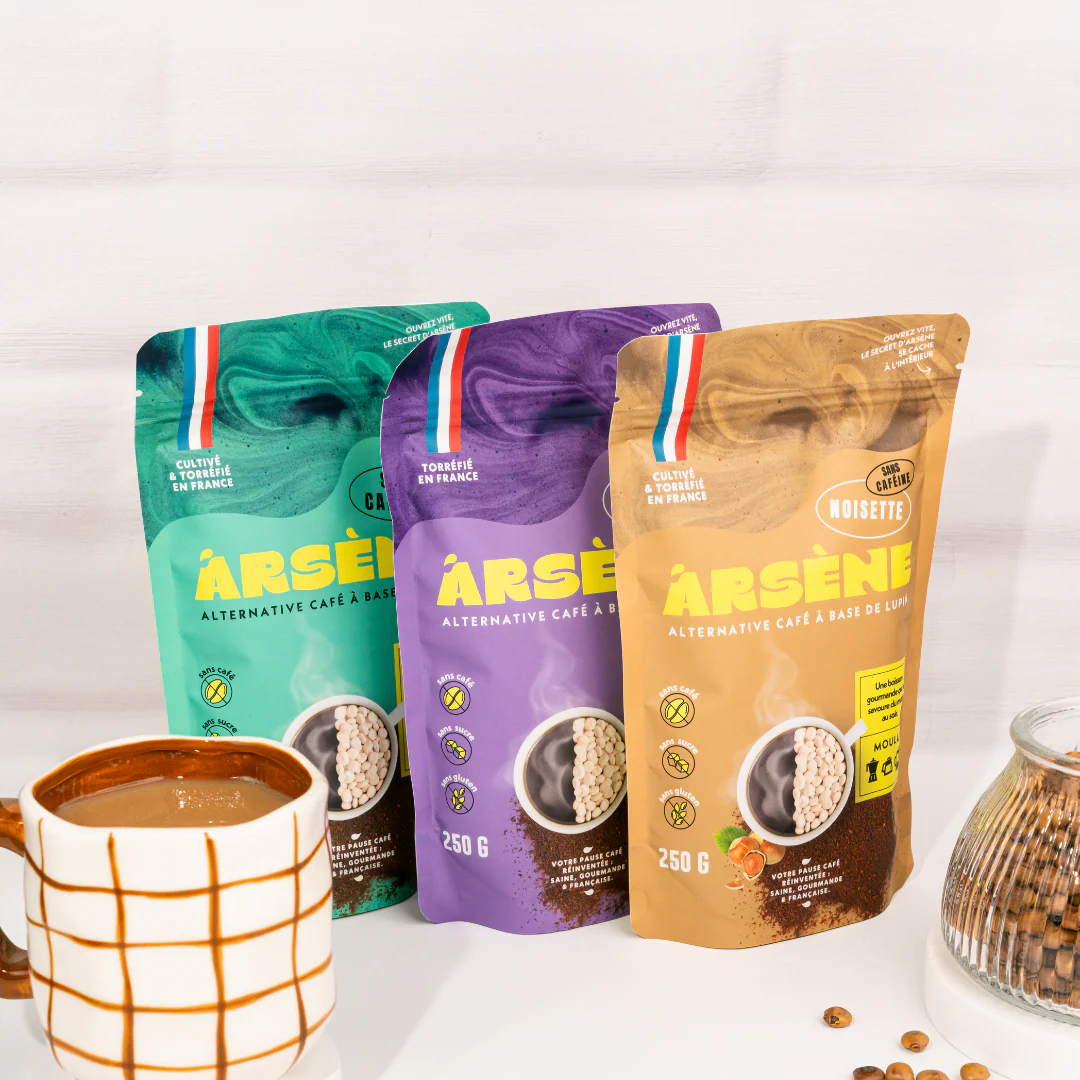
A selection of the finest artisanal roasts. Discover this French, local, caffeine-free alternative that's shaking up habits.


pick

Discovery Box - Lupi Coffee



⚖️ Lupin Coffee Comparisons
Lupin vs Coffee, Lupin vs Chicory — we compare taste, price, and benefits to help you decide.

📚 Lupin Coffee Guides & Articles
Recipes (Lupi Latte), digestive benefits, and brewing tips for the perfect cup.


.webp)
Everything You Need to Know About Lupin Coffee: The 2.0 Alternative to Traditional Coffee
Long the best-kept secret of raw food enthusiasts, Lupin Coffee is finally stepping into the spotlight. As excessive caffeine consumption gets increasingly criticized for its effects on stress and digestion, this little golden seed is emerging as the most credible alternative to the classic espresso. But what exactly is it? Does it really taste like coffee? And why should you add it to your routine? Let's break it down.
Understanding Lupin Coffee?
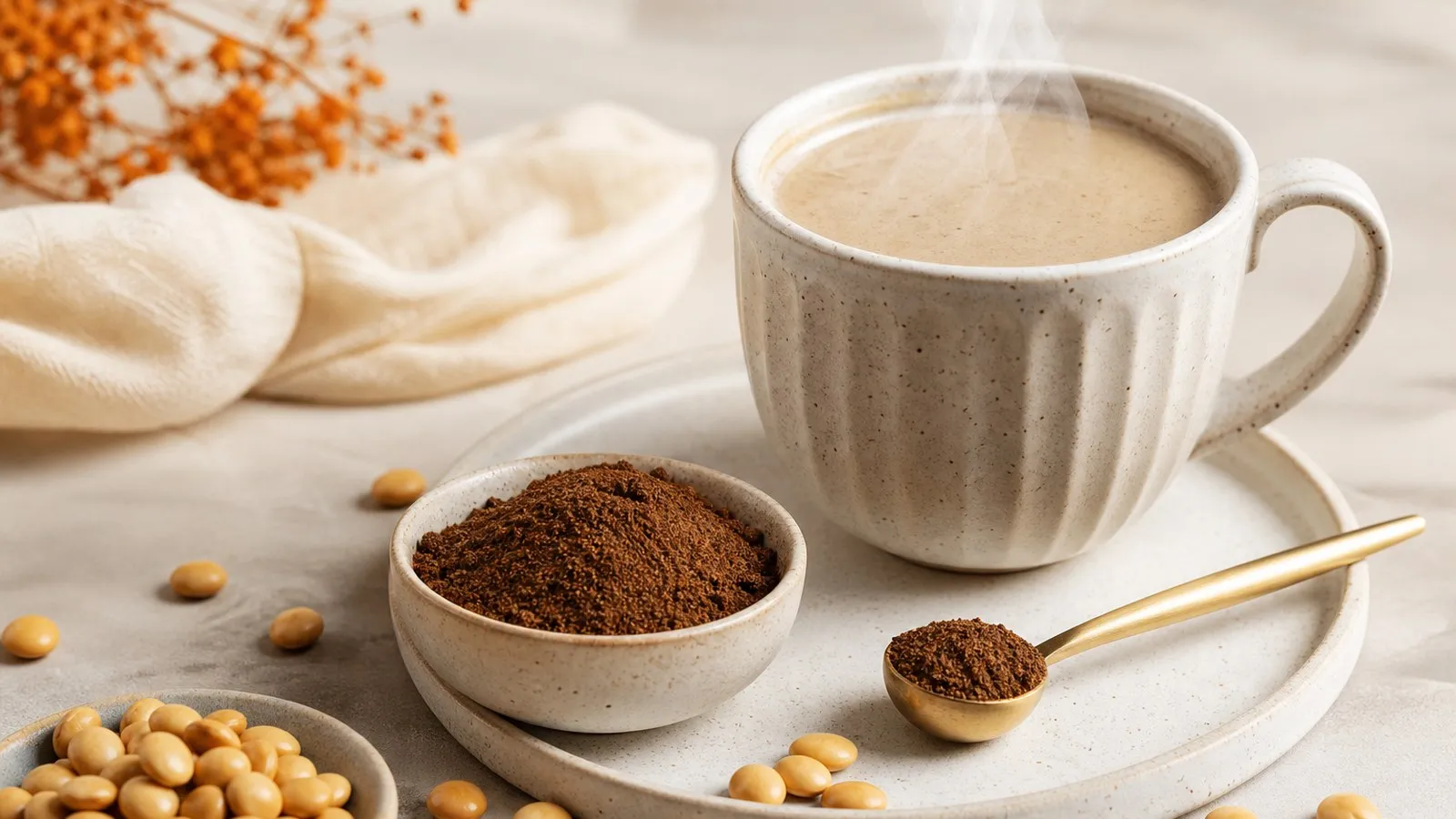
Despite its name, it's not actually coffee — it's a legume. Lupin (Lupinus albus) is a plant with beautiful flowers that produces nutrient-rich seeds.
To make lupin "coffee," these seeds go through a meticulous process: they're cleaned, dried, then artisanally roasted (just like Arabica coffee beans) before being ground. This roasting develops the complex hazelnut and cocoa notes that make it famous.
Unlike coffee that often travels from the other side of the world, lupin is a local crop, mainly grown in France and Europe — making it a major eco-friendly choice.
Why Replace Coffee with Lupin? 3 Major Benefits
If biohackers and naturopaths recommend this switch, it's not without reason. Lupin's nutritional profile corrects nearly all of traditional coffee's flaws.
1. The End of Acidity Issues (GERD and Gastritis)
This is the #1 argument. Coffee is acidic (pH around 5) and can irritate the stomach lining, causing acid reflux. Lupin Coffee is alkalizing and naturally neutral. You get the pleasure of a bold, hot drink without the heartburn that follows.
2. Steady Energy (Zero Caffeine, Zero Stress)
Coffee whips the adrenal glands and triggers a cortisol spike. Result: an immediate boost followed by a crash and sometimes anxiety. Lupin is 100% caffeine-free (not chemically "decaffeinated"). It won't disrupt sleep and can be consumed by anyone — pregnant women, children, or stress-prone individuals. Yet it delivers energy through its nutritional density — a "deep," stable energy without jitters.
3. Protein and Fiber Boost
Where coffee is nutritionally empty, lupin is a superfood. It's extremely rich in plant protein (more than quinoa!) and prebiotic fibers that are excellent for gut health and satiety.
The Taste: What to Expect?
Let's be honest — it's not exactly coffee. If you're after the aggressive bitterness of industrial Robusta, you'll be surprised.
Lupin Coffee offers a bold, full-bodied mouthfeel. The dominant notes are roasted cereal, toasted hazelnut, and sometimes dark chocolate. It's rounder, more indulgent, and less bitter than coffee. Many users report that after 3 days, they find regular coffee "too harsh" by comparison.
Lupin Coffee vs Chicory vs Barley: The Match
- Chicory: Often criticized for its very particular taste — sweet and sometimes metallic. Lupin is much closer to coffee's neutrality.
- Barley (Caffè d'orzo): Very popular in Italy, light but contains gluten. Lupin is naturally gluten-free, making it digestible for intolerant individuals.
- Decaf: Most industrial decafs use chemical solvents. Lupin is raw and natural.
How to Prepare It?
This is lupin coffee's great strength — it requires no new equipment. Use it just like regular ground coffee:
- French Press: The king method for developing all the aromas (steep 4–5 minutes).
- Moka Pot: For a tight, intense result.
- Pour-Over Filter: For a light morning mug.
- Espresso Machine: Be careful not to over-tamp — lupin expands more than coffee.
Our Expert Verdict
Lupin Coffee isn't just a "default substitute." It's a gourmet, healthy, and local beverage. Whether you want to reduce stress, soothe your digestion, or simply consume more responsibly, it's the most refined alternative to date.
Explore our selection of the best French brands above and rediscover the pleasure of the coffee ritual — with a clear conscience.

The 7 key criteria of our editorial staff
Every piece of content published on LMC is carefully written by engaged specialists following a rigorous process. LMC is committed to delivering information that is reliable, useful, and genuinely easy to read.
Specialized and involved writers


Rigorous research for each piece of information
Full transparency on sources

Taking into account your real needs
Original and authentic content

Continuous updating of articles
.webp)
Compliance with standards and editorial ethics

LMC’s favorite pick 💛
Our favorite pick of the month — well worth trying.

pick
Bonjour Drink
