




Why buying the right lupin coffee matters
Lupin coffee is no longer a niche pantry curiosity. It has become one of the most credible coffee alternatives for people who want a roasted, comforting cup without caffeine, bitterness, or the crash that often follows traditional coffee.
But there is one catch: not every product delivers the same experience. Two bags can both say "lupin coffee" and produce completely different results in the cup. One will taste round, toasty, and pleasantly nutty. The other can veer into chickpea broth, hay, or overcooked legumes.
That difference usually comes down to sourcing and roasting know-how. Brands that treat lupin like a specialty beverage ingredient invest in controlled roasting curves, freshness, and grind quality. Generic bulk suppliers often treat it like a commodity seed, which is why the flavor can feel flat, green, or simply forgettable.
If you are discovering lupin coffee for the first time, your purchase channel matters even more. A great first cup can make this caffeine-free drink part of your daily ritual. A poor one can make you assume lupin coffee is not for you, when the real issue was the product itself.
That is why the smartest buyers do not start with price alone. They start with one question: who is most likely to deliver a clean roast, transparent sourcing, and a cup profile that actually resembles a premium coffee alternative?
What premium buyers should look for
The best lupin coffee products usually combine three signals: a specialist brand identity, clear roasting expertise, and enough product detail to understand what you are buying. Look for notes about aroma, roast style, grind size, brewing suggestions, and origin rather than vague wellness claims.
If a brand explains how its lupin is roasted and brewed, that is often a good sign. If the listing is generic, overstuffed with keywords, or unclear about freshness, quality is more of a gamble.

Where to buy quality lupin coffee
1. Organic stores and bulk bins
Organic chains and neighborhood health-food stores are often the first place people look. The upside is convenience: you can buy a small amount quickly, avoid shipping fees, and test the category without much commitment.
The downside is consistency. Many bulk products are sourced for accessibility rather than cup quality, so the roast can taste grassy or underdeveloped. This route is acceptable for a first trial, but rarely the best choice if flavor is your top priority.
2. Amazon and major marketplaces
Marketplaces are useful for comparing formats, reviews, and delivery speeds. They can also be helpful if you already know the exact product you want. Still, premium shoppers should stay selective. Marketplace listings often hide freshness, mix unrelated reviews, and favor visibility over craftsmanship.

If you buy on Amazon, stick to specialist brands with clear ingredient transparency, recent reviews, and enough detail to confirm that the product is real roasted lupin coffee rather than a vague coffee substitute blend.
3. Buying direct from a specialist roaster
For most people, this is the best option. Buying direct usually gives you fresher stock, better product information, and a much better chance of getting a roast designed for taste rather than mass retail distribution. It is also where you are most likely to find brewing advice and a consistent sensory profile.

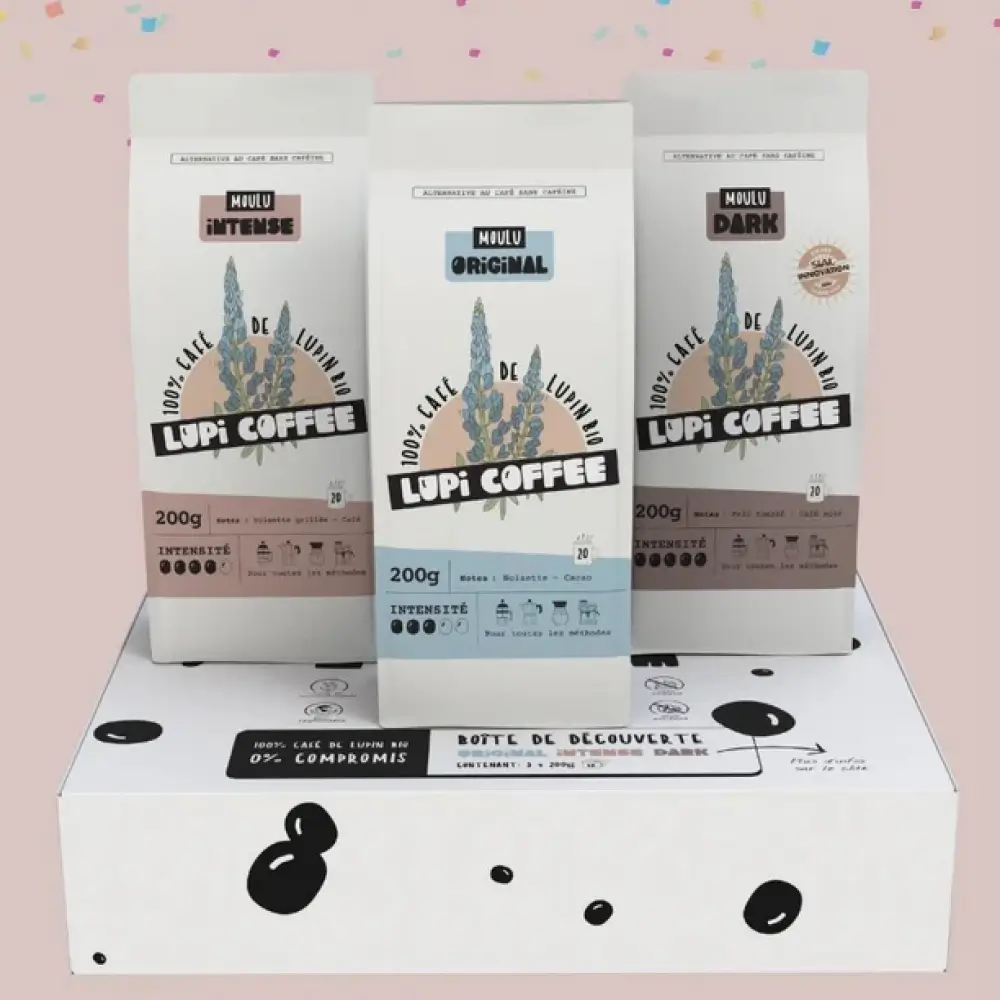
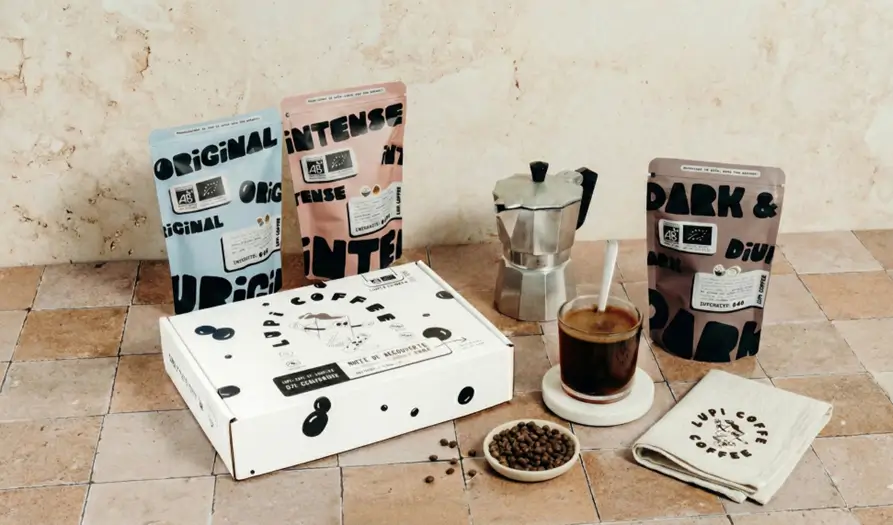
Brands such as Lupi Coffee stand out because they position lupin coffee as a crafted beverage, not just a caffeine-free curiosity. That usually translates into a more convincing cup with roasted hazelnut, toast, and cocoa notes instead of a generic plant-like finish.
Bottom line
If you simply want to experiment, an organic store can work. If you want convenience and already trust a specific listing, Amazon can be useful. But if your goal is to taste lupin coffee at its best, buying direct from a serious specialist brand remains the most reliable choice.

LMC’s editorial line is built around transparency and reliability. Our content is written to help users make better decisions, based on 7 key criteria* that support trustworthy information, verified promo codes, and useful reviews.
To support LMC, some links are affiliate links. Our recommendations remain independent and based on transparent, verifiable criteria. By using the site, you accept our terms of use and our editorial policy.




.webp)

.avif)