




A coffee made from a legume is the kind of idea that instantly raises an eyebrow. For most people, lupin is the salty yellow seed you find at aperitif hour, not something you imagine roasted, ground, and brewed as a credible replacement for espresso.
And yet that is exactly the promise behind Lupi Coffee: a dark, comforting hot drink that delivers the ritual of coffee without the caffeine crash, the stomach irritation, or the afternoon jitters. On paper, it sounds almost too convenient, which is why the obvious question is fair: is this a genuinely useful product, or just another wellness brand selling a good story?
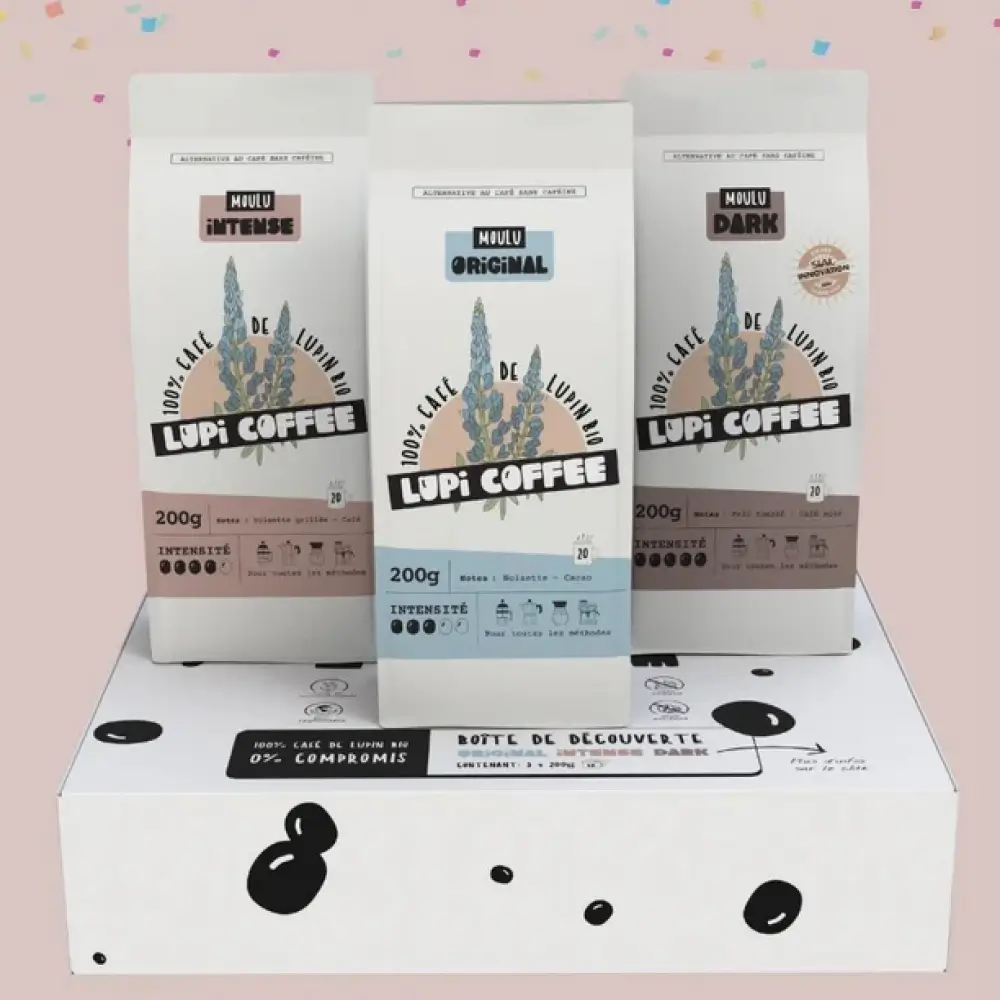
See Boîte de découverte - Lupi Coffee →
To answer that properly, you have to separate three things that often get mixed together in reviews: taste, physical effects, and positioning. A product can be well marketed and still disappoint in the cup. It can also taste better than expected while being overpriced. The only honest verdict has to look at all three.
What Lupi Coffee is actually selling
Lupi Coffee uses sweet lupin, a specific variety of lupin bean that is roasted in a way designed to mimic some of the aroma and bitterness people associate with coffee. Technically, though, it is not coffee at all. It is an infusion of roasted legumes.
That distinction matters because the product is not trying to beat a specialty espresso on complexity. It is trying to solve a different problem: how to keep the ritual of the morning cup when caffeine is no longer serving you well.
Why the concept appeals to so many people
For readers who love coffee but hate the side effects, the pitch is strong. No caffeine means no palpitations, no stimulation-driven anxiety, and usually a gentler experience for sensitive digestion. That alone makes the category attractive to a certain type of user: people who want the ceremony and comfort of coffee more than they want the stimulant.
Historically, roasted lupin is not even a new invention. Europe has a long tradition of coffee substitutes, especially during periods when real coffee was expensive or hard to access. Lupi Coffee is essentially a modern wellness-forward update of that old logic, repackaged for today's market.

So, is Lupi Coffee a scam?
No, Lupi Coffee does not look like a scam. It is a real product serving a real use case. But that does not automatically mean it is the right choice for everyone.
The biggest surprise for most first-time users is the taste. If you expect a perfect copy of espresso, you will be disappointed. If you expect a roasted, nutty, low-acidity hot drink that scratches part of the same itch, the experience makes far more sense. The product succeeds best when you judge it as a coffee alternative, not a coffee clone.

Where Lupi Coffee performs well
- Digestive comfort: many users tolerate it far better than regular coffee.
- No caffeine crash: there is no stimulant spike followed by the usual drop.
- Ritual preservation: it still works with a French press, filter, or moka-style routine.
- Lower acidity: this is a major plus for sensitive stomachs.
Those benefits are meaningful. If coffee currently gives you reflux, nervousness, or poor sleep, Lupi Coffee solves a genuine problem rather than an imaginary one.
Where the product may disappoint
The main drawback is expectation management. Some buyers want the emotional comfort of coffee with none of the compromises, and that is a very high bar. Lupi Coffee can come close on ritual, warmth, and roastiness, but it does not deliver the body, crema, or intensity of a true espresso.
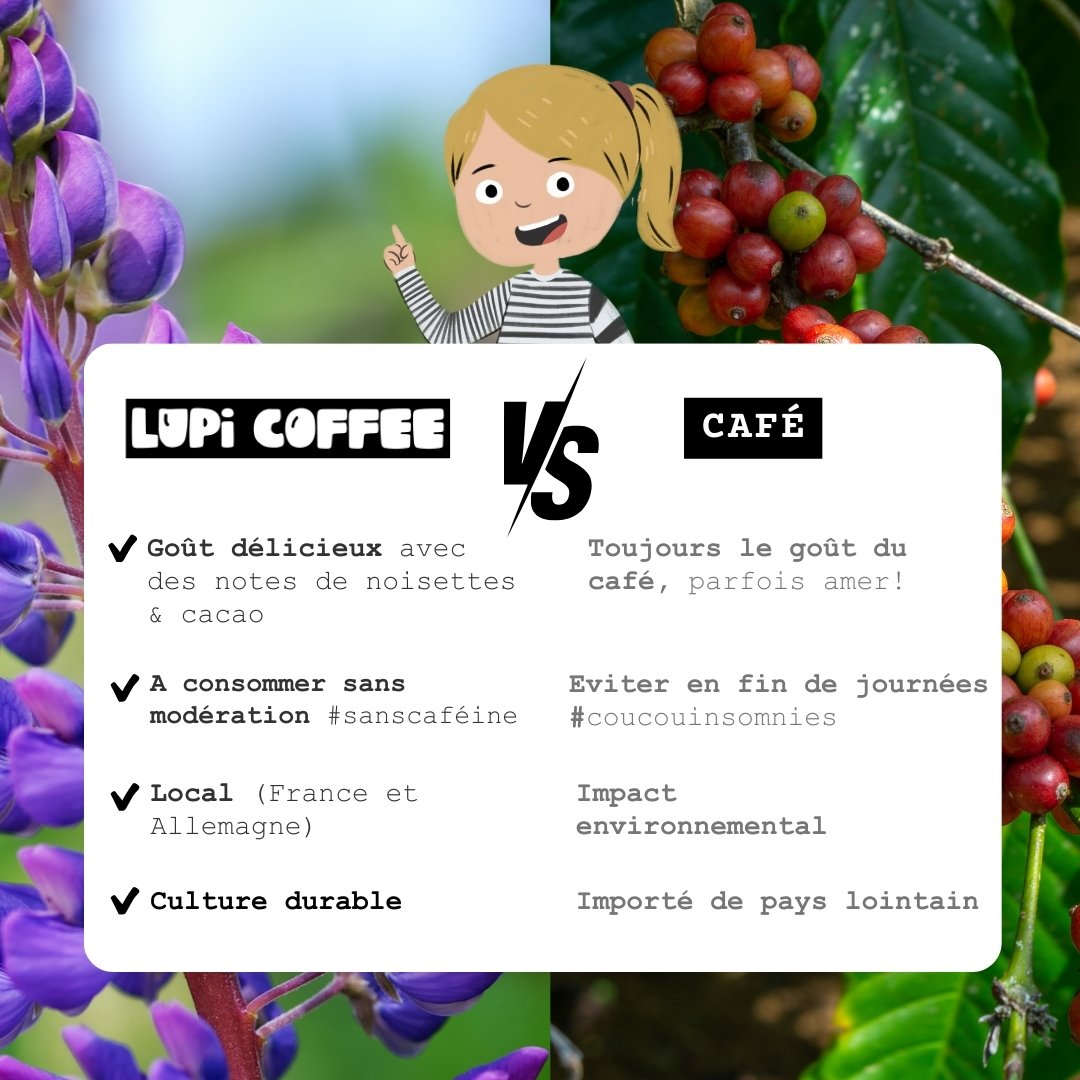
Price is the second question. Functional coffee alternatives often cost more than standard supermarket coffee, which means the value depends on how much you personally benefit from going caffeine-free. For someone with major caffeine sensitivity, that premium may feel justified. For a person who simply wants novelty, it may not.

Final verdict
Lupi Coffee is not a scam. It is a niche product with a clear purpose: giving caffeine-sensitive coffee lovers a more comfortable daily ritual. The right buyer may love it. The wrong buyer, especially someone expecting a one-to-one espresso replacement, will likely feel underwhelmed.
That is the honest conclusion: clever marketing, yes, but not empty marketing. The product promise mostly holds up if you understand what you are actually buying.

LMC’s editorial line is built around transparency and reliability. Our content is written to help users make better decisions, based on 7 key criteria* that support trustworthy information, verified promo codes, and useful reviews.
To support LMC, some links are affiliate links. Our recommendations remain independent and based on transparent, verifiable criteria. By using the site, you accept our terms of use and our editorial policy.




.webp)

.avif)