




Looking for ube powder at Biocoop, Carrefour or Naturalia? The short answer is that these stores are not the most reliable place to buy it today. Online searches often lead to approximate results, unrelated purple products or unavailable pages. On Biocoop, a search for “ube” does not reliably bring up an exact ube powder. On Naturalia, the query may lead nowhere. Carrefour can vary by store, marketplace seller and local stock.
The real question is not only whether ube exists somewhere on a shelf. It is whether you are buying a clear, traceable ube powder that works for an ube latte or a recipe, without confusing it with taro, a sweet dessert mix or a simple purple coloring product.
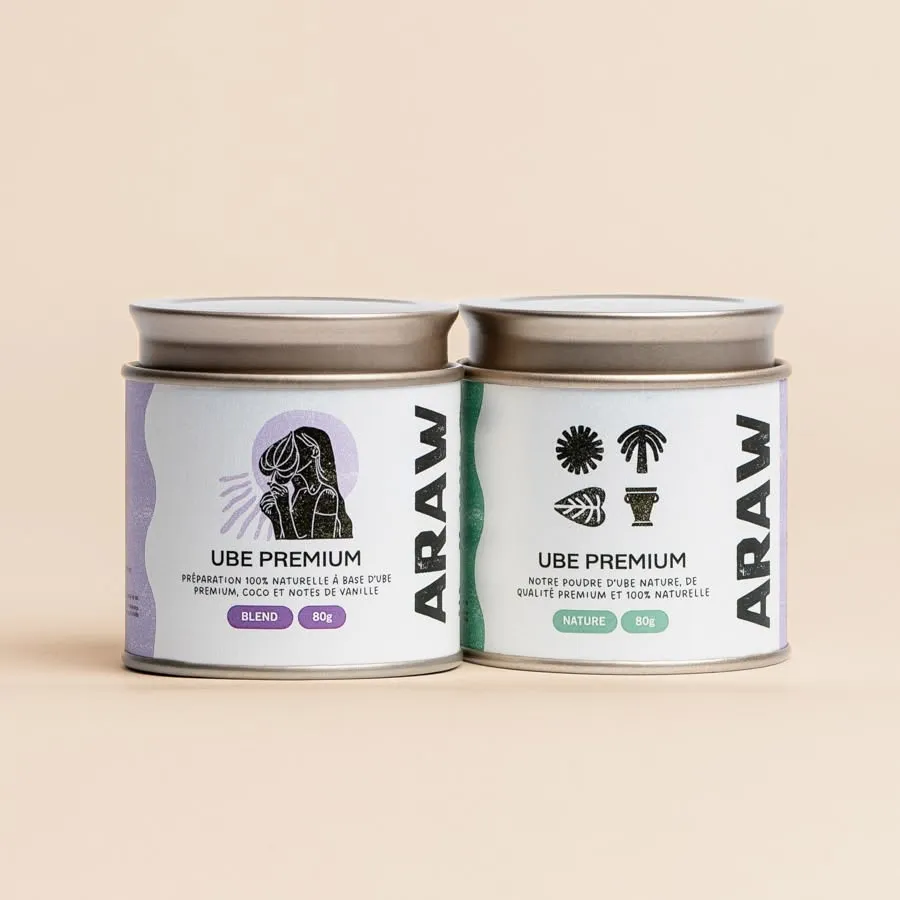
Our practical recommendation is simple, if you want to avoid a treasure hunt, start with Araw Ube. The brand offers a powder designed for ube lattes and home recipes, and you can use the code LMC for 10% off. This guide helps you compare store options and choose faster.
Biocoop: can you really find ube powder there?
Biocoop is often the first reflex when you want a natural or original ingredient. On paper, it makes sense: organic-focused stores, grocery aisles, curious customers and sometimes interesting world-food products. But for ube powder, expectations are often higher than reality.

A search for “ube” on the Biocoop website does not reliably show an exact ube powder result. Suggested products may be approximate and not directly related to purple yam. That does not mean no Biocoop store in France has ever stocked ube. It means the purchase is not predictable.
This is the weakness of buying in store: you can call a shop, visit it, then find an out-of-stock item, a seasonal product or a reference that is not what you wanted. For a niche ingredient in France, availability often depends on the store, the aisle manager and local suppliers.
If you need ube powder from Biocoop for a purple latte this weekend, check before you travel. Ask for three details: the exact product name, the ingredient list and the format. If the answer mentions taro, a purple dessert preparation or a flavored mix, it may not be pure ube.
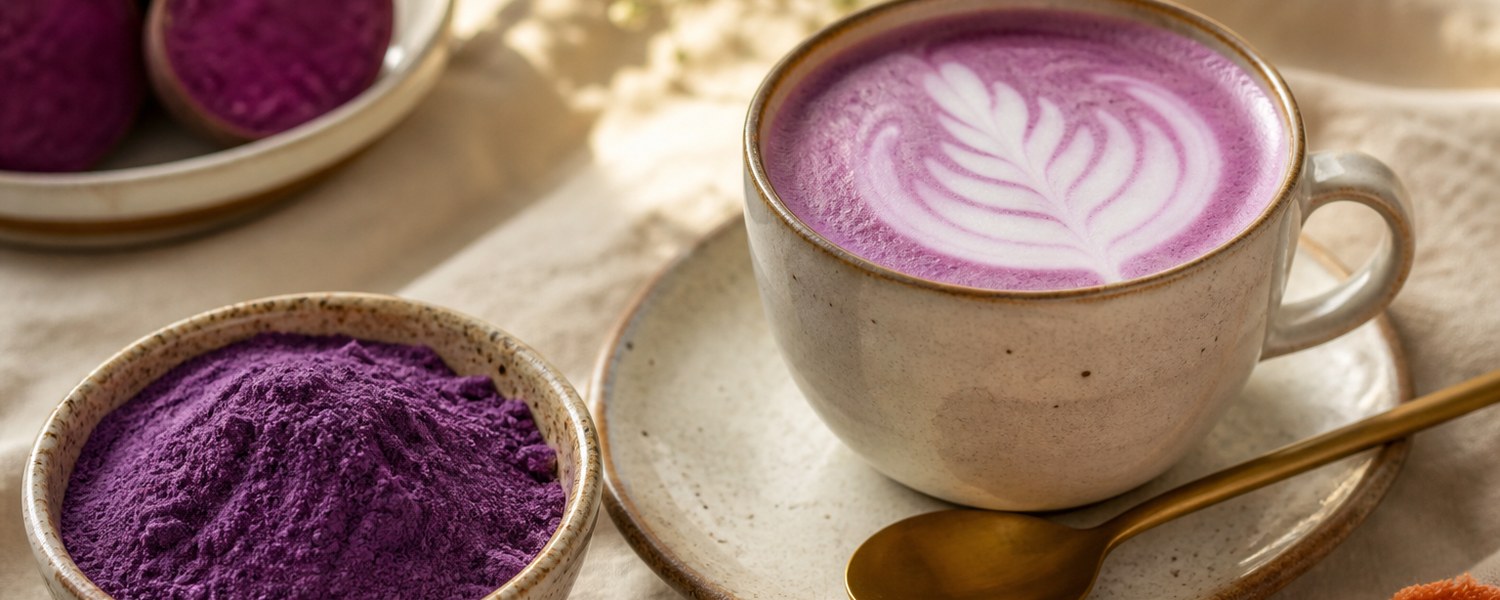
The second trap is the word “organic”. It can be reassuring, but it is not enough on its own. A product sold in an organic store is not automatically the best choice for an ube latte. Conversely, a specialist ube powder with a clear composition and stable recipe performance may be more relevant than a random grocery-store find.
Carrefour works differently. Depending on your location, you may see marketplace listings, imported products or no real ube powder at all. Always check who the seller is, delivery times, the ingredient list and whether the product is pure powder or a sweetened mix. For Naturalia, the same logic applies: verify stock directly and do not assume that a natural-food store carries this niche ingredient permanently.
How to choose without wasting time
Before buying, look for a short ingredient list, clear use instructions, no unnecessary coloring, and customer feedback from people making ube lattes, smoothies, pancakes or desserts. If a brand claims an organic ube product, the claim should be backed by a recognized label, certification body and traceable information on the product page or packaging.
For most buyers, the easiest route is to choose a dedicated ube powder rather than chasing uncertain supermarket stock. Araw Ube is positioned for everyday recipes, especially creamy purple lattes. It is a straightforward option if you want to order online, understand what you are buying and avoid confusion with taro or overly sweet mixes.
How to choose ube powder without falling for the trend
Ube is visually impressive, but the colour alone should not drive the purchase. A serious ube powder should be judged on origin, ingredient list, aroma, texture and how easily it works in recipes. Some products are designed for baking, others for lattes or desserts. If the powder is too coarse, too sweetened or mixed with unnecessary ingredients, the result can be disappointing even when the packaging looks premium.
Before buying, check whether the product is pure purple yam powder or a flavoured blend. Pure powder gives more control in recipes, while blends can be easier for quick drinks but often contain sugar, milk powder or flavouring. For an everyday latte, solubility and taste matter. For baking, colour stability and texture are more important.

LMC’s editorial line is built around transparency and reliability. Our content is written to help users make better decisions, based on 7 key criteria* that support trustworthy information, verified promo codes, and useful reviews.
To support LMC, some links are affiliate links. Our recommendations remain independent and based on transparent, verifiable criteria. By using the site, you accept our terms of use and our editorial policy.



.webp)

.avif)