




What real ube powder actually is
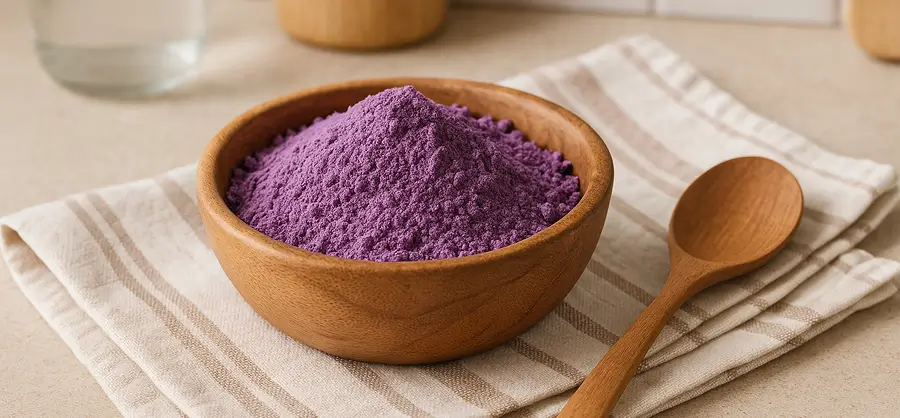
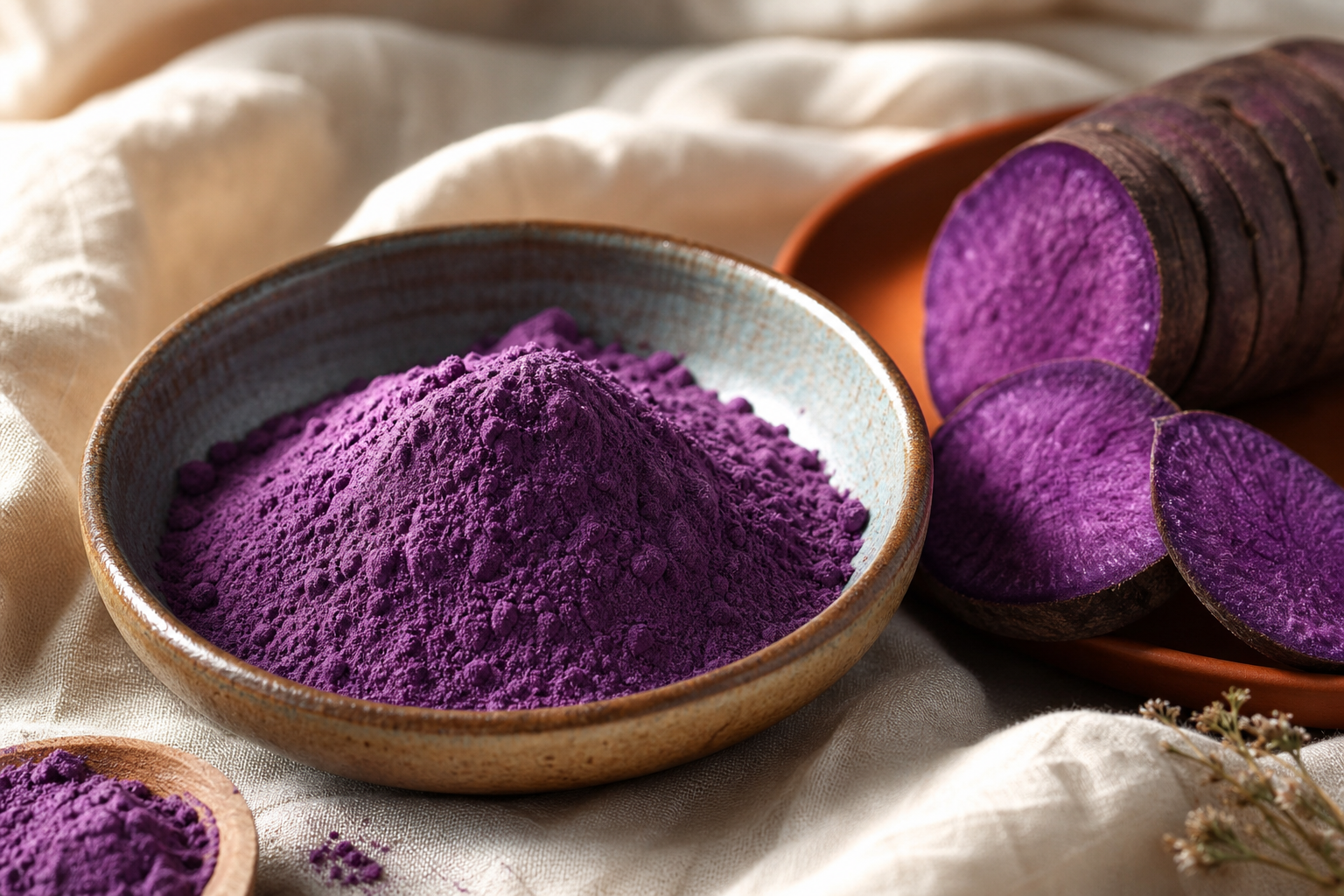
Ube powder comes from purple yam, most commonly Dioscorea alata, and it has earned a place far beyond trend-driven café culture. Yes, it creates the signature violet color people love, but the best products also bring a naturally sweet, vanilla-like profile and a more premium sensory experience than artificial dessert powders.
That is exactly why quality matters. The market now includes genuine ube, low-grade dehydrated powders, sugary premixes, and products that borrow the color profile of ube without delivering the same ingredient integrity. If you buy blindly, you can easily end up with a powder that looks impressive online but performs poorly in recipes.
For buyers who care about both wellness and cooking results, ube powder should be treated like a real ingredient, not a novelty. The texture, processing method, and country of origin all affect how it tastes, how it blends, and how stable the color remains once you use it in drinks, desserts, or breakfast recipes.
Why premium ube powder stands out
The best powders are made from real purple yam, processed with enough care to preserve color, aroma, and smoothness. They should smell naturally sweet, disperse reasonably well, and avoid the dusty, artificial finish common in cheap blends.
Freeze-dried products usually sit at the premium end because they retain a more vivid color and a more convincing aromatic profile. Traditional dehydration can still work, but it tends to be less vibrant and more variable depending on the raw material and the producer.

How to choose the best ube powder
1. Check the ingredient list
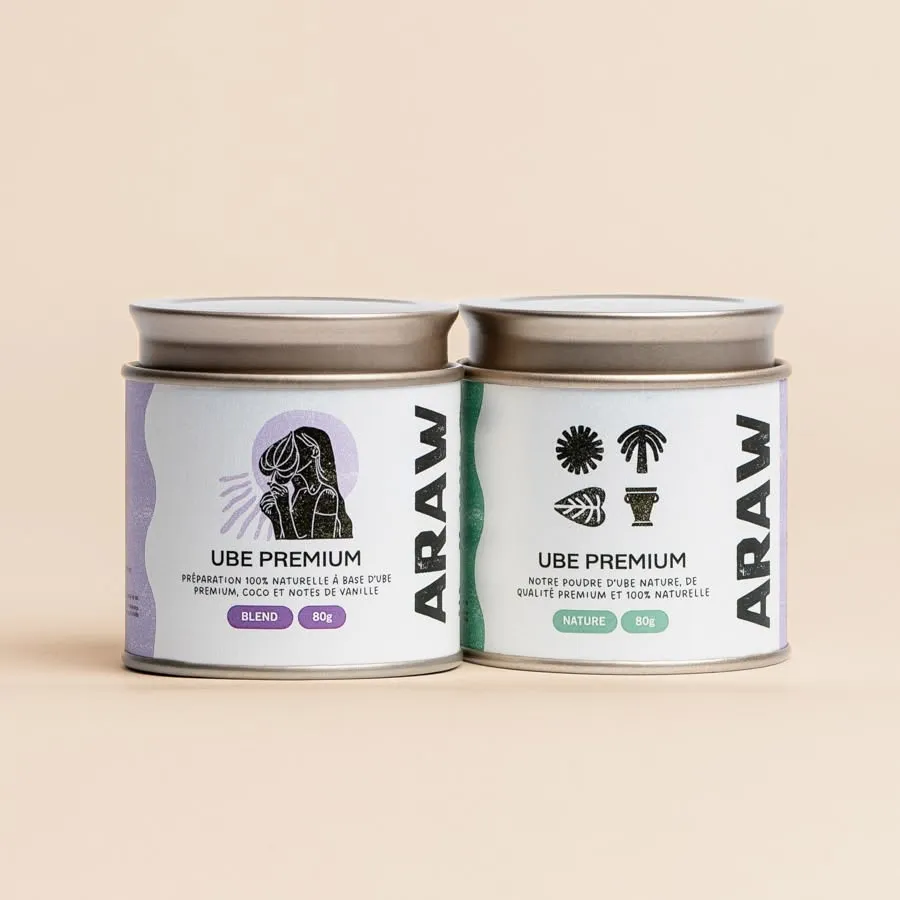
A serious ube powder should contain one main ingredient: ube, or purple yam. The more the formula depends on sugar, fillers, maltodextrin, or colorants, the less useful it becomes if you want culinary flexibility and authentic flavor.
2. Look at processing quality
Freeze-drying is often the gold standard for buyers who want stronger color, better aroma retention, and a smoother premium feel. Lower-cost dehydrated powders can still be usable, but they are often duller in both flavor and performance.
3. Prioritize origin transparency
The Philippines remains the reference point for authentic ube. Brands that clearly communicate sourcing, harvest quality, and batch information usually inspire more confidence than generic sellers who only market the color.
4. Do not ignore packaging
Ube powder is sensitive to light, air, and humidity. A proper pouch or container helps preserve both freshness and color. Cheap translucent packaging is often a warning sign, especially if you plan to keep the powder for months.
Best uses in the kitchen
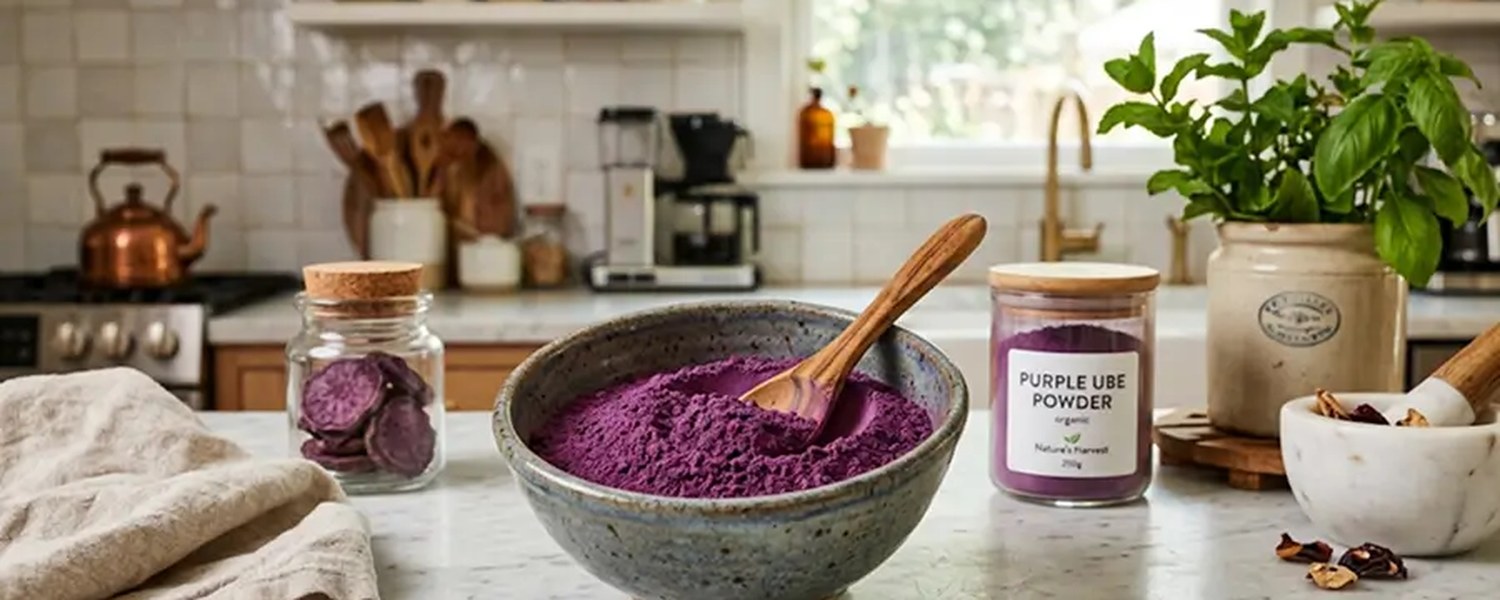
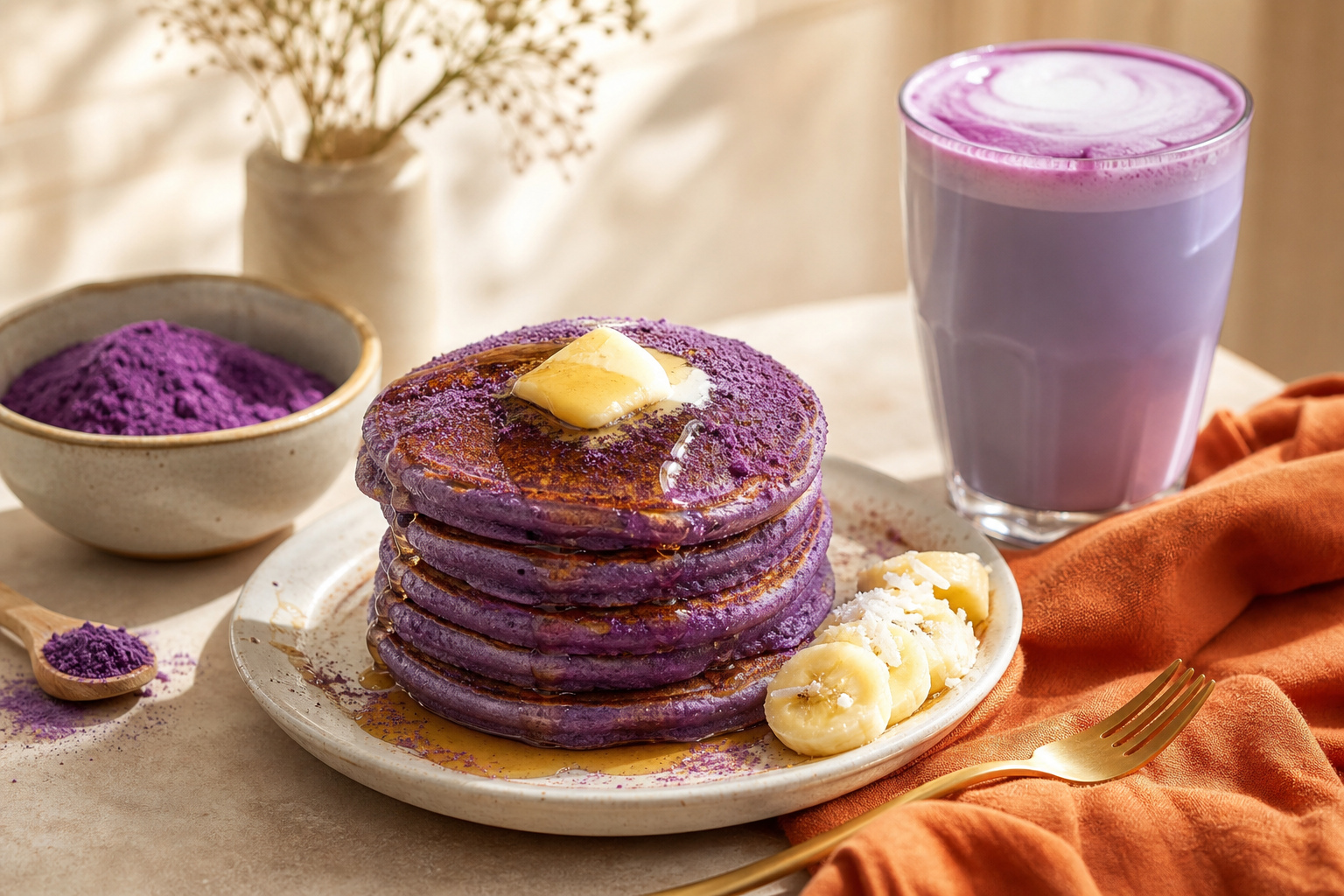
Good ube powder works beautifully in lattes, overnight oats, smoothies, pancakes, frostings, and higher-end dessert recipes. The key is to hydrate it properly and pair it with ingredients that support, rather than overpower, its naturally soft and slightly nutty flavor profile.
Bottom line
If you want authentic results, buy ube powder the same way you would buy matcha or cacao: by judging ingredient quality first, aesthetics second. The best product is the one that tastes real, blends well, and gives you more than just a bright purple photo.
Ube powder is a culinary ingredient first
The honest way to talk about ube powder is simple: it is a culinary ingredient with nutritional interest, not a health cure. Ube is a purple yam traditionally used in Filipino desserts, drinks and baked goods. In powder form, it becomes easier to use in lattes, cakes, smoothies and breakfast recipes.
The appeal comes from three things: its purple color, its soft nutty-vanilla flavor and its ability to make simple recipes feel more premium. It can fit inside a balanced diet, but it should not be framed as a magic superfood. The real value is practical: it helps replace artificial purple flavoring with a more recognizable ingredient.
What are the realistic benefits of purple yam powder?
Ube naturally contains carbohydrates, fiber and purple pigments called anthocyanins. These compounds are also found in other purple foods. That does not mean an ube latte automatically becomes a health product, because the final nutrition depends on the amount of powder, milk and sugar used.
The realistic benefits are more grounded:
- Better recipe quality: real purple yam powder gives flavor and color without relying only on syrup.
- More control: pure powder lets you choose the milk and sweetness level.
- More satisfying drinks: a thicker ube latte can feel more substantial than a sugary flavored coffee.
- Versatility: the same powder works in drinks, desserts, oats and baking.
That is enough. You do not need inflated claims to make ube interesting. A good product earns its place because it improves recipes and makes a routine easier to enjoy.
Organic ube powder versus flavored purple mixes
This is where many buyers get confused. Organic ube powder usually means the product is closer to the raw ingredient, although you should still check the label. A flavored purple mix can taste good, but it often contains sugar, milk powder, stabilizers or flavoring. It is more convenient, less flexible.
If your goal is an ube latte recipe, both can work. If your goal is to build several recipes from one pantry ingredient, pure powder is stronger. You can make a latte today, pancakes tomorrow and a yogurt bowl later without being locked into one sweet profile.
For LMC, the best buying logic is not just price per pouch. Look at price per serving, ingredient quality, how well it dissolves and whether the taste still feels like ube after mixing with milk. A cheap product that needs three times more powder is not always cheaper in real use.
How to use ube powder in a clean daily routine
The easiest use is a small latte. Start with 1 teaspoon, bloom it in hot water, then add milk. For breakfast, stir the paste into oats or yogurt. For baking, use it as part of the dry mix and increase moisture slightly if the dough feels too thick.
Avoid turning every ube recipe into a sugar bomb. The ingredient has a dessert identity, but it does not need aggressive sweetening. Vanilla, coconut and a pinch of salt often do more for flavor than extra sugar.
Where to buy ube powder without overpaying
When deciding where to buy ube powder, prioritize a clear ingredient list, reliable shipping, transparent serving guidance and a format that fits your use. If you mainly want lattes, check solubility. If you bake, check intensity and moisture behavior.
How to compare ube powder before checkout
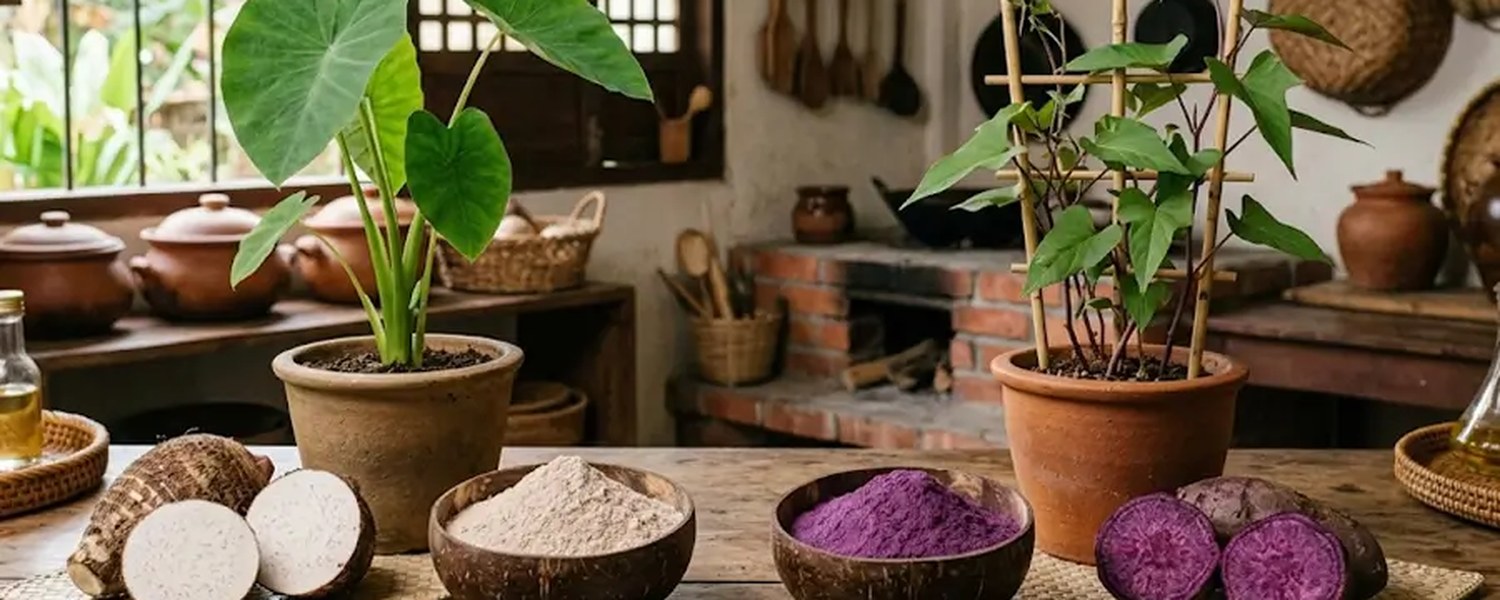
When you compare two pouches, read the first three ingredients before looking at the design. If the product is sold as ube powder but sugar or starch dominates the label, it may be a drink mix rather than a versatile ingredient. That can still taste good, but it should be priced and used as a mix.
The second check is format. Fine purple yam powder is better for lattes and smoothies. A slightly heavier powder can work in baking if it hydrates well. The third check is serving cost. Divide the price by realistic servings, not by the number printed on the front if the serving is too small to taste.
Best use cases by buyer profile
If you want one daily drink, choose a powder that blends smoothly in milk. If you bake often, choose intensity and stable color. If you want the cleanest option, prioritize organic ube powder and add your own sweetness. If you are mainly asking where to buy ube powder for a first test, start with a smaller pouch and judge it on flavor, texture and repeatability.

LMC’s editorial line is built around transparency and reliability. Our content is written to help users make better decisions, based on 7 key criteria* that support trustworthy information, verified promo codes, and useful reviews.
To support LMC, some links are affiliate links. Our recommendations remain independent and based on transparent, verifiable criteria. By using the site, you accept our terms of use and our editorial policy.


.webp)

.avif)