



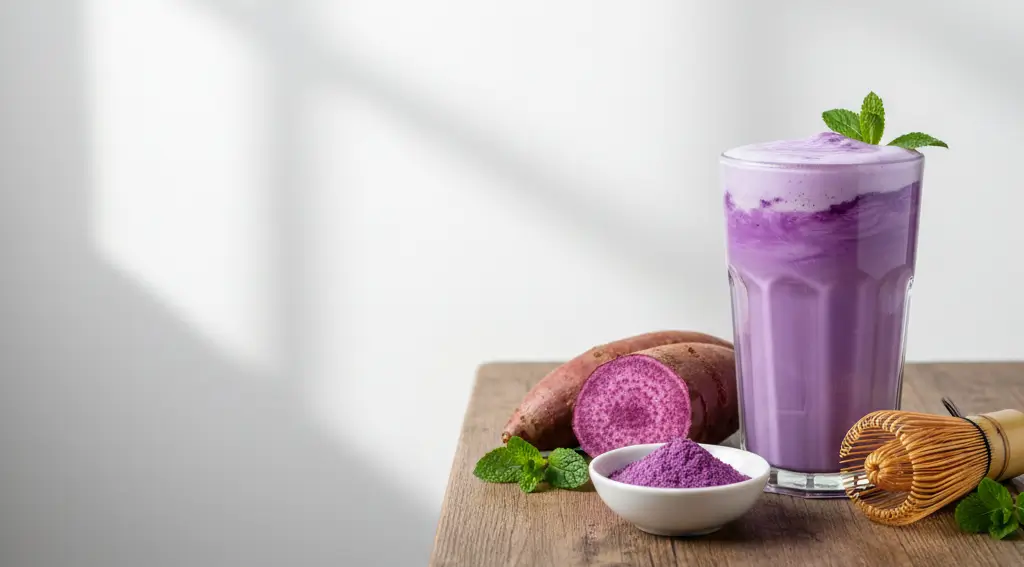
Ube latte has exploded in popularity because it looks spectacular, but the real story is nutritional. The drink is made from ube, a purple yam traditionally used in Filipino cuisine, and its vivid color comes from naturally occurring plant pigments rather than artificial dyes. That instantly makes it more interesting than many novelty drinks built around syrup and flavoring.
For readers focused on wellness, the biggest question is simple: does ube latte actually do anything useful for the body? The answer is that it can, especially when it is made with a pure ube powder and not buried under sugar. Ube contains anthocyanins, fiber and complex carbohydrates, giving it a more functional profile than a standard dessert-style drink.
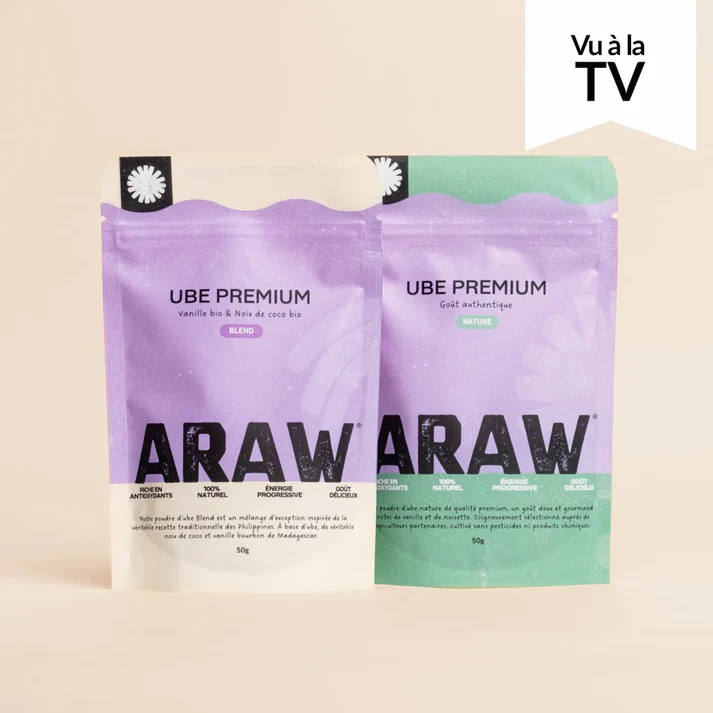
See Pack découverte sachets - Araw Ube →
That does not make it a miracle cure, but it does explain why the beverage has earned a place in modern wellness routines. When prepared well, it can be both comforting and more nutritionally interesting than many coffeehouse alternatives.
What exactly is ube?
Ube refers to Dioscorea alata, a purple yam cultivated in tropical regions and deeply rooted in Filipino food culture. It is often mistaken for taro or purple sweet potato, but it is its own ingredient with a distinct flavor and nutritional identity. Its taste is naturally soft, slightly nutty and faintly vanilla-like, which is one reason it works so well in lattes and desserts.
The deep purple flesh of ube signals the presence of anthocyanins. These antioxidant compounds are the same broad family of pigments found in berries and other dark-colored plants. In practical terms, they are one of the key reasons ube is discussed in relation to oxidative stress, cellular protection and long-term wellness.
Ube vs taro: why the difference matters
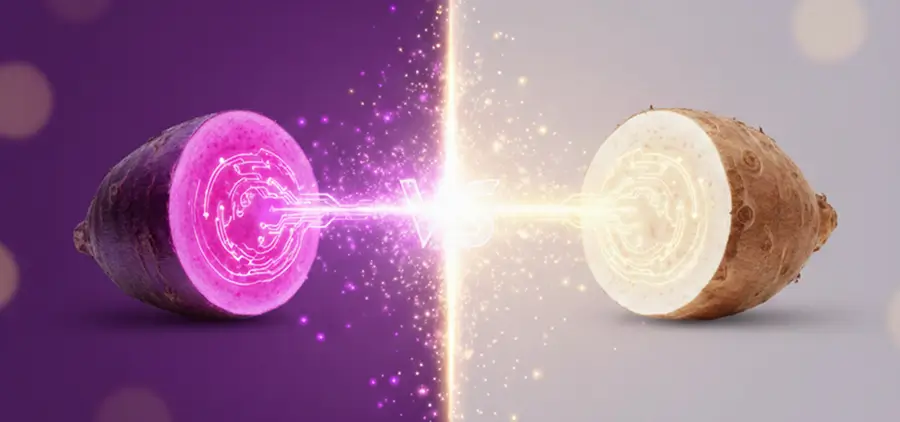
Taro and ube are often grouped together because both can appear in colorful café drinks, but they are not nutritionally interchangeable. Taro is usually more neutral and starchy, while ube has a naturally richer flavor and a more intense purple pigment profile. If a product claims to be an ube latte, the ingredient list should point clearly to purple yam rather than a vague flavored blend.
- Color: authentic ube has a naturally vivid purple tone.
- Flavor: ube is sweeter and more aromatic than taro.
- Function: ube is prized for both taste and antioxidant pigments.
- Use case: it works especially well in premium wellness-style lattes.
The most important compounds in ube
The health conversation around ube starts with anthocyanins. These compounds help protect cells against oxidative stress, the process linked to everyday wear and tear from training, pollution, stress and normal metabolism. While no single food solves that problem alone, regularly eating colorful plants rich in antioxidant pigments is one of the most evidence-based nutritional habits available.
Ube also provides fiber and resistant starch, two elements that matter for satiety and digestive comfort. Resistant starch is not fully digested in the small intestine, which means part of it reaches the colon where it can support a healthier gut environment. That is one reason ube is often described as more sustaining than a standard sweetened latte built mostly on sugar.

Metabolic support and steadier energy
One of the most attractive benefits of ube latte is that it can offer a gentler energy experience than many café drinks. Because ube contains complex carbohydrates and resistant starch, it tends to feel more stable and satisfying than beverages based on syrups alone. For people trying to avoid the classic spike-and-crash pattern, that makes it an appealing alternative.
When paired with an unsweetened plant milk and moderate sweetness, an ube latte can fit into a balanced metabolic routine. It is not low-carb magic, but it is often a smarter indulgence than heavily sweetened frappés or flavored lattes that deliver little besides sugar and caffeine.
Antioxidants, skin and healthy aging
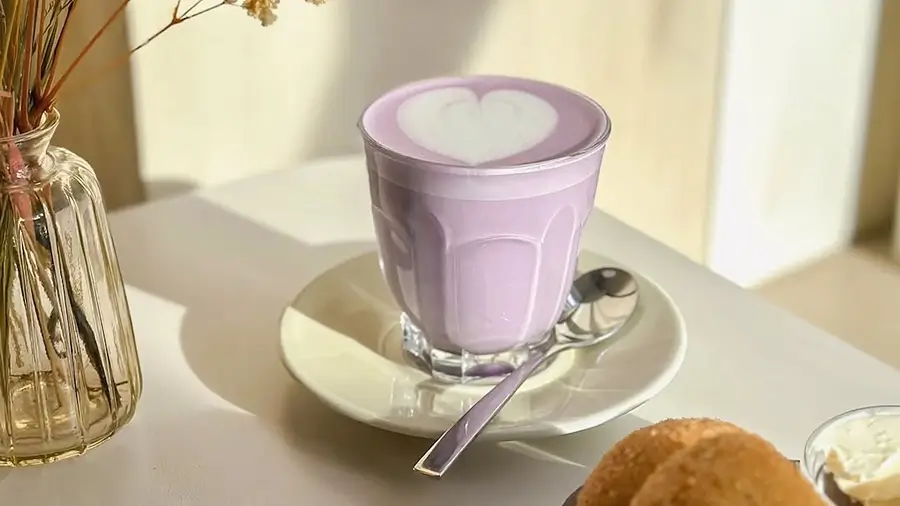
Anthocyanins are often discussed in the context of healthy aging because oxidative stress affects everything from skin quality to long-term cellular resilience. Ube will not replace sleep, protein intake or a well-designed diet, but it does fit naturally into a lifestyle built around colorful, minimally processed foods.
Ube also contains vitamin C and potassium, nutrients that contribute to overall dietary quality. In beauty-focused routines, that is part of the appeal: the drink feels indulgent, yet it can still support a broader inside-out wellness strategy when the rest of the diet is solid.
How to make ube latte even more functional
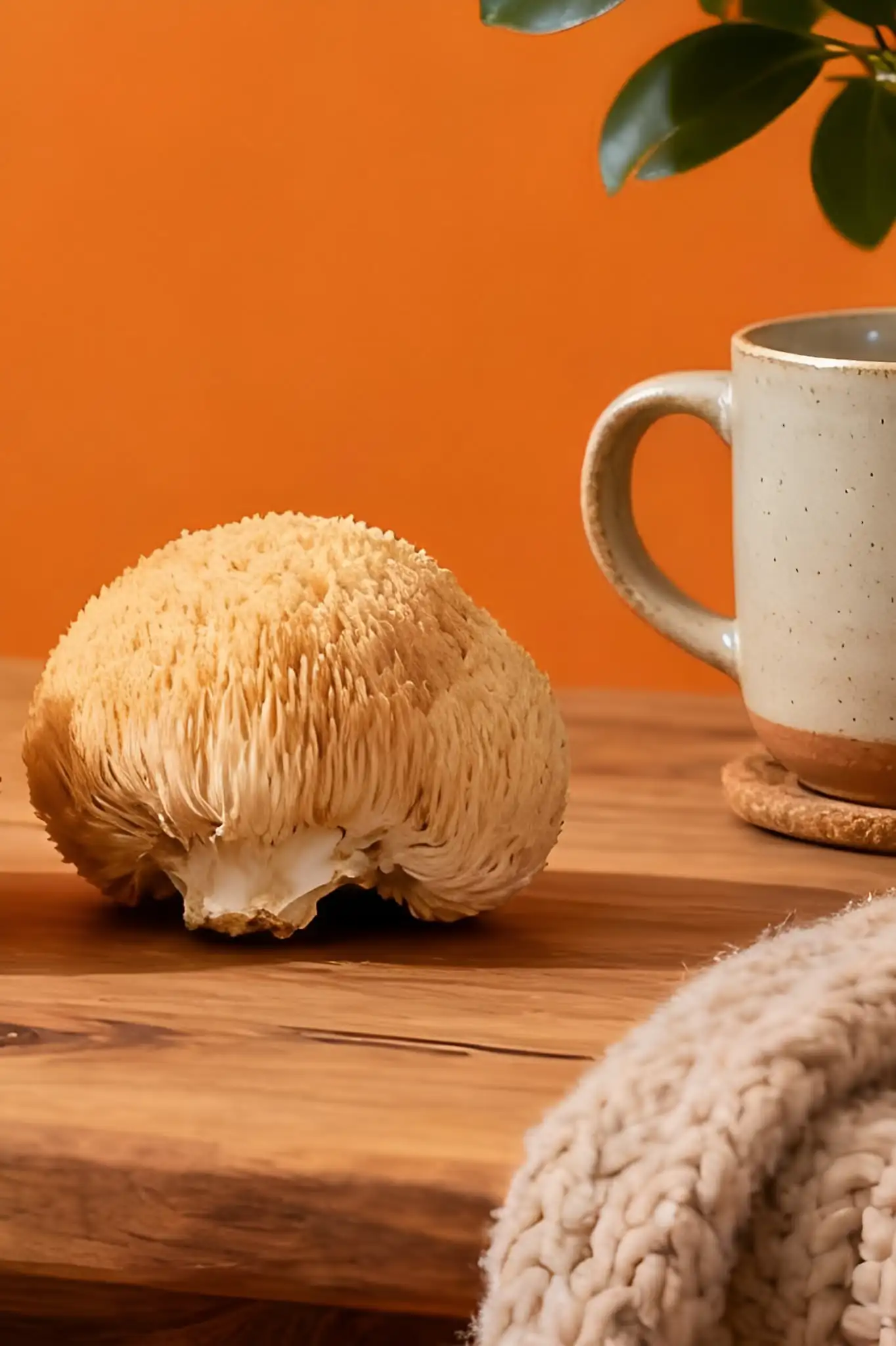
Ube pairs well with a few carefully chosen additions. Collagen peptides are a common option for a beauty-oriented version, while lion’s mane can make the drink feel more nootropic. If you want a calmer evening ritual, ube also works well with oat or coconut milk and a lighter sweetener profile.
The key is not to overcomplicate the recipe. A high-quality ube powder, a milk that froths well and restrained sweetness will usually give better results than stacking too many supplements into one mug. The cleaner the recipe, the easier it is to enjoy regularly.
Ube latte vs matcha latte
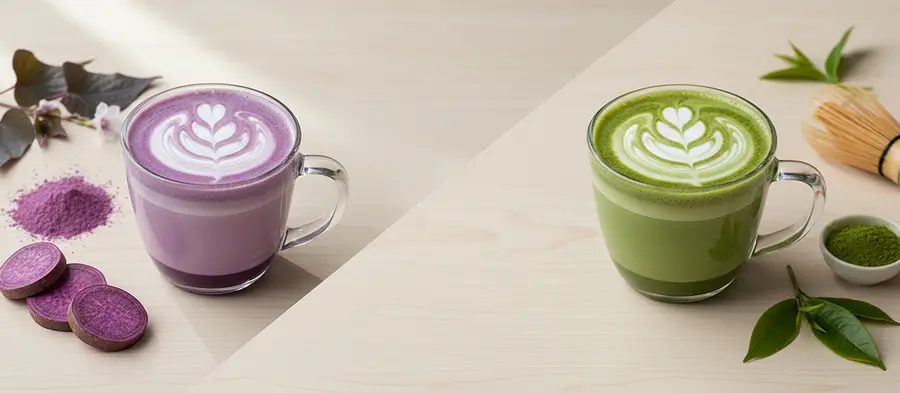
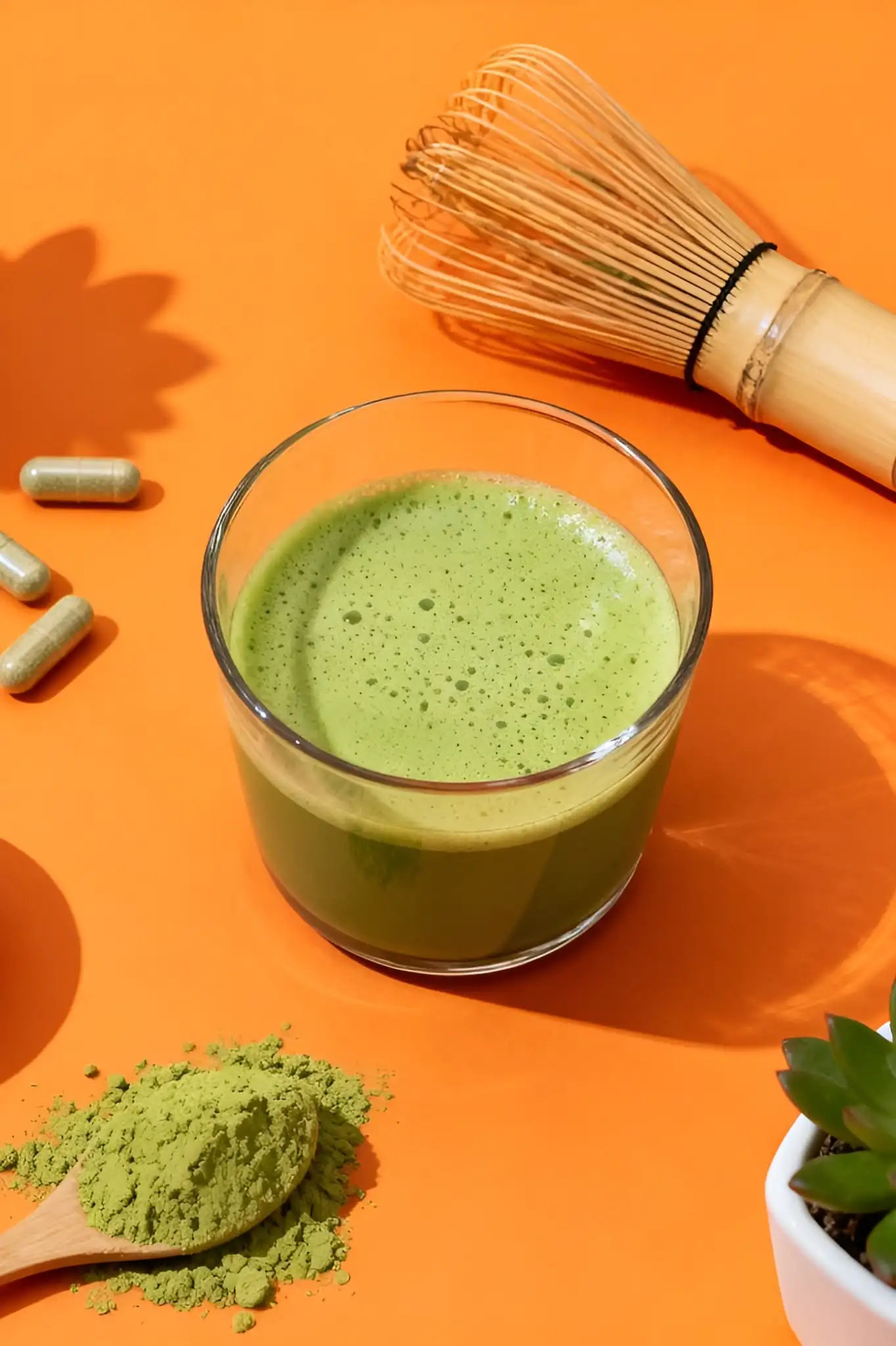
Matcha and ube are often compared, but they solve different problems. Matcha is better for alertness because it naturally contains caffeine and L-theanine. Ube is better suited to people who want a caffeine-free drink with a softer, creamier flavor and a more food-like nutritional profile.
Rather than seeing them as competitors, it makes more sense to use them strategically. Matcha can be the go-to choice for focus earlier in the day, while ube works beautifully when you want comfort, color and a smoother energy curve.
Safety and practical limits
For most adults, ube latte is easy to enjoy in moderate amounts. As with many plant foods, people with specific medical concerns such as kidney stone risk or highly restrictive diets should keep the overall context of their nutrition in mind. The safest approach is simple: use a pure product, avoid oversweetening and keep portions reasonable.
If you are discovering ube for the first time, start with a small serving and see how your digestion responds. A well-made latte is usually gentle and enjoyable, especially when it replaces a lower-quality treat rather than being added on top of an already excessive routine.
Bottom line: a wellness drink with real substance
Ube latte is more than a trend. It combines the sensory appeal of a premium café drink with antioxidant pigments, satisfying texture and a more thoughtful nutritional profile than many sugary alternatives. That combination is exactly why it continues to attract attention from wellness-minded readers.
If you want the broader culinary picture, read our complete ube latte guide for recipe ideas, sourcing advice and preparation tips.
Ube latte benefits: separate the ingredient from the hype
The main benefit of an ube latte is not that it transforms your health. It is that it can replace a very sweet café drink with something more interesting, more satisfying and easier to control at home. Made with real ube powder, it brings the flavor of purple yam, a creamy texture and a naturally striking color.
That difference matters because many trendy drinks are built on syrup first. A latte made with purple yam powder can be sweetened lightly, paired with better milk and adjusted to your routine. The benefit is practical, not miraculous.
What purple yam powder can contribute
Ube is known for its purple pigments, including anthocyanins, which are also found in other purple and blue plant foods. It also brings carbohydrates and some fiber depending on the product and serving size. In a latte, the actual impact depends on how much powder you use and what else goes into the cup.
That is why the smartest framing is moderate. An ube latte can be part of a balanced routine. It can help you enjoy a comforting drink without relying only on coffee or syrup. But if the recipe contains a lot of sugar, the nutrition advantage becomes much less convincing.
How to make the drink more useful
Start with organic ube powder or a clean powder with a short ingredient list. Bloom it in hot water, then add milk. Use unsweetened milk if you want control, or oat milk if you want more natural creaminess. Add sweetness last, not first.
- For lower sugar: use pure powder and sweeten lightly.
- For better satiety: choose milk with protein or a thicker plant milk.
- For better flavor: add vanilla and a pinch of salt.
- For iced latte: make a hot paste first, then pour over ice.
This is also where an ube latte recipe beats a ready-to-drink option. You can adapt the cup to the moment: lighter in the afternoon, creamier as a dessert replacement, or unsweetened when you only want the flavor.
What not to overclaim
Do not buy ube latte expecting medical results. It should not be described as a treatment, detox drink or guaranteed energy booster. If a product page makes those claims, be skeptical. The credible angle is taste, ingredient quality, recipe control and a more premium alternative to sugary flavored drinks.
Who should be careful with ube latte?
Anyone managing blood sugar, calorie intake or food sensitivities should read the full ingredient list, especially on sweetened mixes. People avoiding dairy should check whether the powder or mix already contains milk ingredients. If you are pregnant, breastfeeding or following a specific medical diet, the basic rule is the same as for any new food routine: keep it reasonable and ask a professional if you have doubts.
For everyone else, the best approach is simple. Use real powder, keep the recipe balanced, avoid exaggerated claims and enjoy ube latte for what it is: a beautiful, comforting purple drink that can be made much better at home than most trend versions sold on looks alone.
Where to buy ube powder if you care about nutrition quality
If health is part of the reason you want the drink, the buying choice matters. A pouch of pure ube powder and a sweetened latte mix do not create the same cup. The pure option lets you choose milk, sweetness and serving size. The mix is easier, but it may add sugar before you even start the recipe.
When deciding where to buy ube powder, look for a short ingredient list, clear dosage guidance and a seller that does not overpromise. Organic ube powder can be a good signal, but it does not replace label reading. You still need to check whether the product is pure powder, a blend or a flavored instant drink.
Best use case for a balanced routine
The strongest use case is simple: an ube latte as a comforting drink you can control. Use purple yam powder, warm milk, light sweetness and a recipe you actually enjoy. That is more credible than trying to make it a medical shortcut. The drink wins when it helps you replace a weaker habit with a better-made one.
If you want a stronger ube latte recipe, build around texture first. Bloom the powder, blend the drink and keep sugar moderate. That gives you the color, the taste and the satisfying mouthfeel without turning every cup into a dessert.

LMC’s editorial line is built around transparency and reliability. Our content is written to help users make better decisions, based on 7 key criteria* that support trustworthy information, verified promo codes, and useful reviews.
To support LMC, some links are affiliate links. Our recommendations remain independent and based on transparent, verifiable criteria. By using the site, you accept our terms of use and our editorial policy.

.webp)

.avif)