



Why purple yam is having a real wellness moment
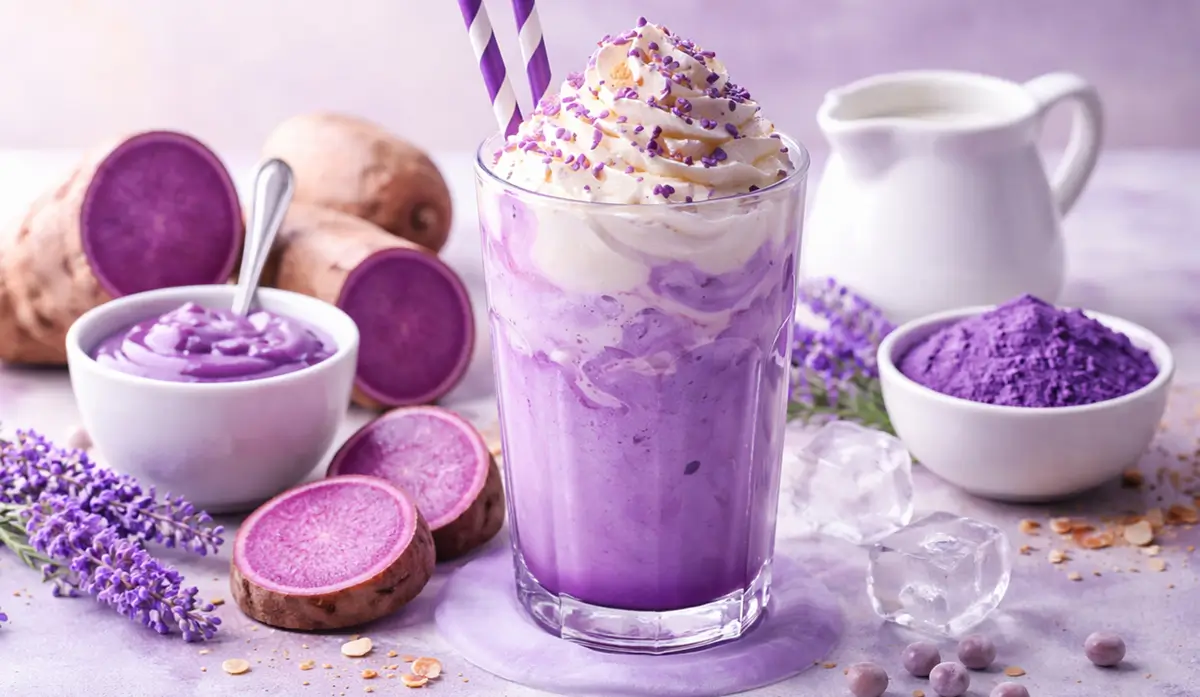
Ube latte is more than an Instagram trend. Made from ube, the purple yam traditionally used across the Philippines, it delivers a naturally creamy drink with a sweeter, softer flavor profile than coffee-based lattes. For readers interested in functional nutrition, the appeal is clear: ube combines visual pleasure, gentle carbohydrate energy and antioxidant-rich pigments in one surprisingly versatile ingredient.
Unlike a classic coffee break that can feel sharp and stimulating, an ube latte offers a calmer energy curve. The drink is naturally caffeine-free unless you choose to add espresso, which makes it attractive for people who want a comforting ritual without the jitters. The subtle notes of vanilla, pistachio and roasted nuts also explain why premium ube powders have become so popular in cafés and home routines alike.
Ube vs taro: the distinction that matters
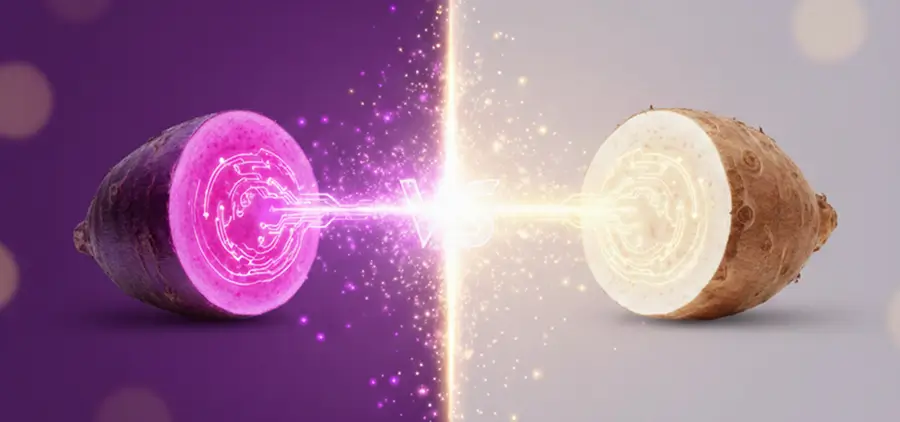
Ube is frequently confused with taro, yet the two roots behave very differently in a latte. Taro is usually paler, more starchy and far more neutral in flavor. Authentic ube, by contrast, has a deep purple flesh and a naturally dessert-like taste that often feels closer to vanilla and hazelnut than to a plain root vegetable.
This distinction matters nutritionally too. Ube owes its striking color to anthocyanins, the same family of plant pigments found in blueberries and black rice. Those compounds are part of the reason the drink is often positioned as a better-for-you alternative to heavily sweetened café beverages. If you want the real experience, choose a powder made from Dioscorea alata, not a taro blend dyed to look purple.
What makes ube nutritionally interesting
From a functional-food perspective, ube stands out for its combination of complex carbohydrates, fiber and antioxidant pigments. The carbohydrates provide a more gradual energy release than refined sugars, while the fiber helps make the drink feel more satisfying. That is one reason many people enjoy it as a late-morning or afternoon option when they want something comforting but not overly heavy.
Ube also contains potassium and naturally occurring vitamins that support overall dietary quality. It is not a miracle ingredient, but it can absolutely fit into a balanced wellness routine. In practical terms, the benefit of an ube latte is often its ability to replace a more aggressively sweet drink with something that still feels indulgent, colorful and premium.

How to choose a high-quality ube powder
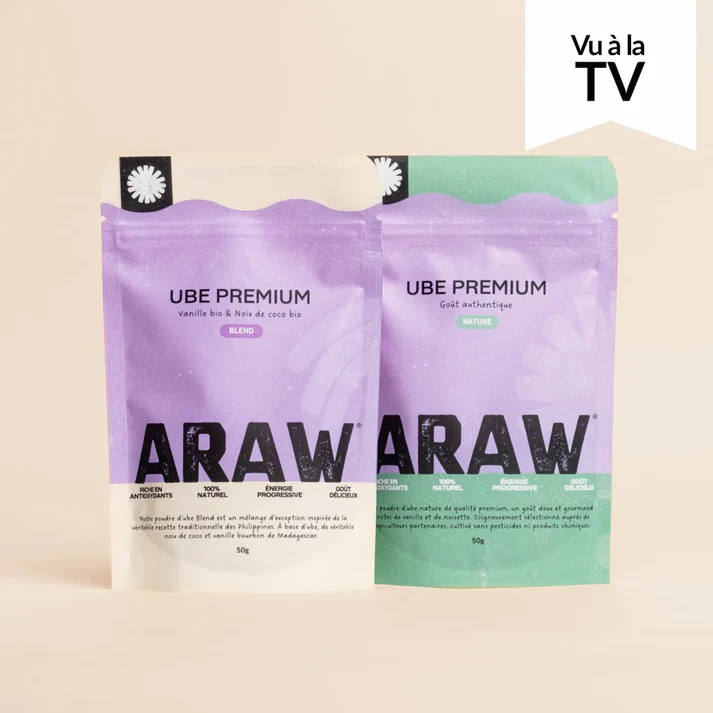
The quality of your drink starts with the powder. A strong product should list only one main ingredient: purple yam, ideally identified as Dioscorea alata. Avoid mixes padded with taro, artificial flavorings or synthetic dyes that imitate ube’s natural color without delivering the same taste or nutritional profile.
Processing also matters. Freeze-dried ube powder generally keeps a more vibrant color, a cleaner aroma and better texture in drinks than low-grade dehydrated powder. It usually costs more, but the difference is easy to taste once the latte is made. Brands that clearly state origin, harvest quality and ingredient purity tend to be the safest choices.
Finally, look at the packaging. Ube pigments are sensitive to light and air, so opaque, well-sealed pouches are preferable to transparent bags that leave the powder exposed. If a brand is proud of its sourcing in the Philippines and transparent about purity, that is usually a strong signal.
How to make a balanced ube latte at home
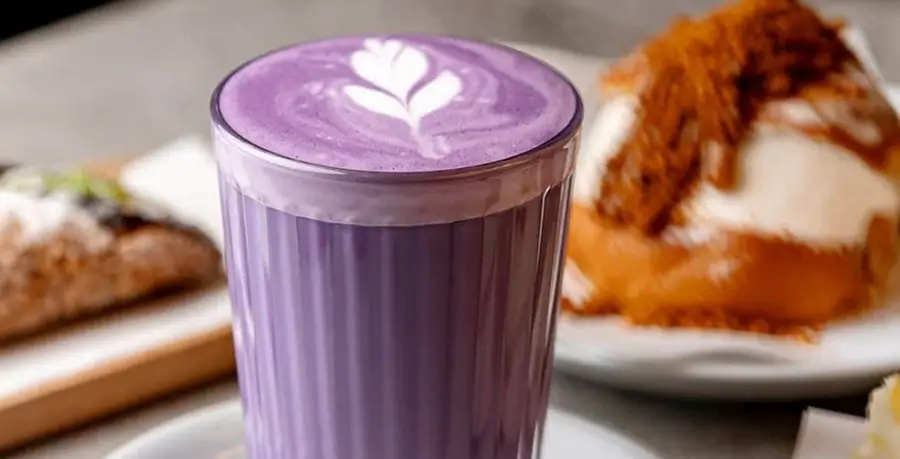
For a café-style result, whisk 1 to 2 teaspoons of ube powder with a small amount of hot water first to create a smooth paste. This step helps prevent lumps and gives you a more even, vivid color. Then heat around 200 ml of oat, coconut or almond milk and pour it over the ube base while stirring or frothing.
If you want a sweeter finish, add a small amount of maple syrup or coconut nectar rather than oversweetening the drink. A pinch of vanilla or cinnamon also works well with ube’s naturally rounded flavor profile. Served iced, the same base can become a refreshing summer drink that feels both indulgent and lighter than many flavored lattes.
Smart ingredient pairings for a more functional drink
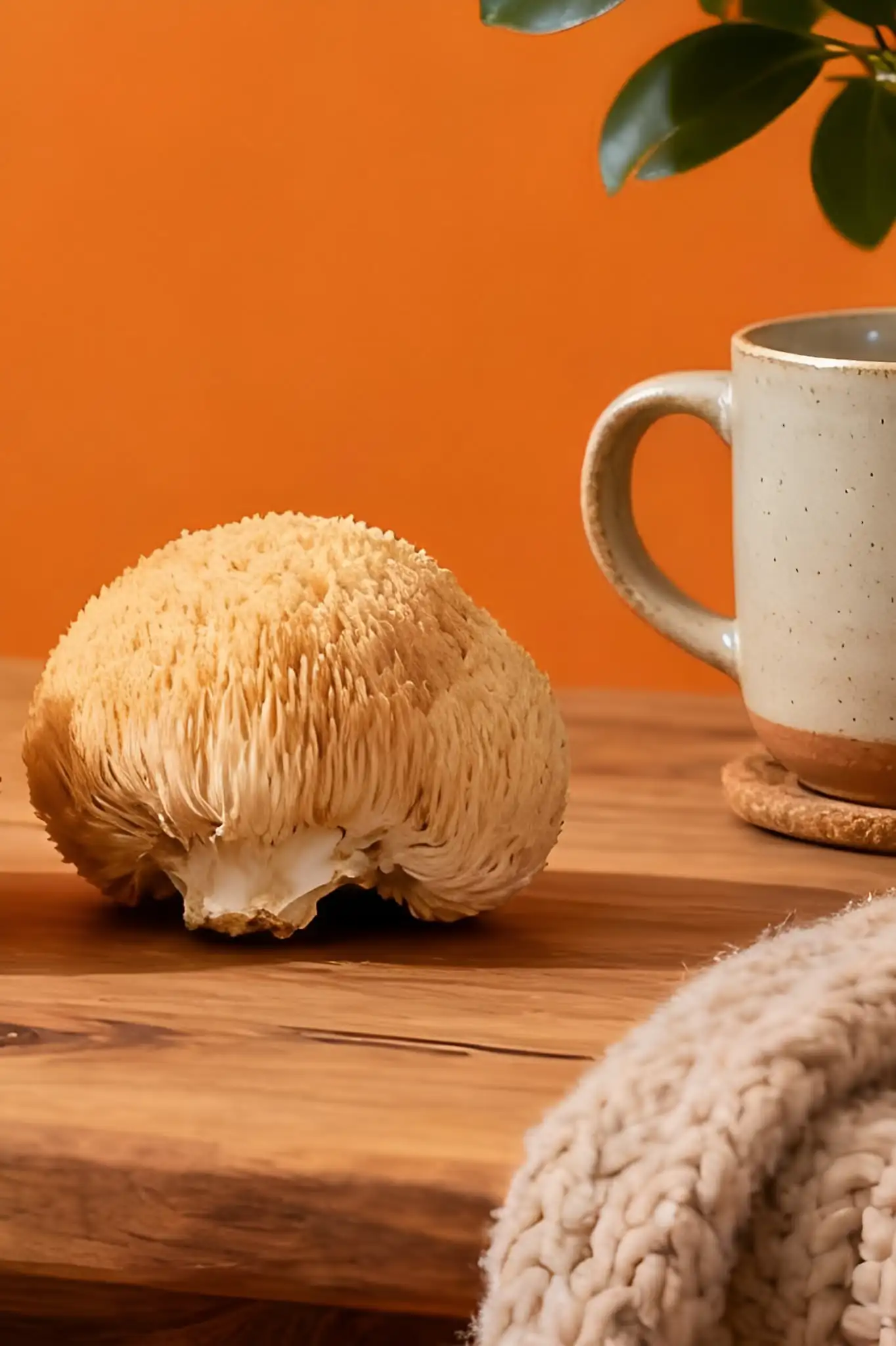
One of the reasons ube latte is so popular in wellness circles is that it pairs easily with other functional ingredients. Collagen peptides can turn it into a beauty-oriented drink, while lion’s mane or a touch of matcha can make it feel more productivity-focused. In the evening, some people prefer pairing ube with calming ingredients such as ashwagandha or magnesium-rich plant milks for a gentler routine.
The best approach is to keep the formula simple and intentional. Start with a pure ube powder, use a milk you actually enjoy drinking, and only add one supportive ingredient at a time. That gives you a drink that is not just beautiful, but also coherent from both a taste and wellness perspective.
Should you add ube latte to your routine?
If you want a caffeine-free ritual with a premium flavor profile, ube latte is one of the most interesting options available right now. It combines visual appeal, culinary pleasure and a more thoughtful nutritional profile than many syrup-heavy coffeehouse drinks. It is especially useful for people who want a softer alternative to coffee without giving up the feeling of a real treat.
Used consistently, it can become a very elegant way to diversify your beverage routine. If you want to go deeper into the health angle, read our dedicated article on the health benefits of ube latte.

What makes a good ube latte different from a purple milk drink
A proper ube latte is not just milk turned purple. The drink should taste round, lightly sweet, creamy and slightly nutty. The base matters more than the color. If the recipe only uses syrup or artificial flavor, you get the Instagram effect but not the real profile of ube powder.
The best version starts with purple yam powder or a high-quality ube preparation, then adds milk, a little sweetness and enough heat to open the flavor. Oat milk gives a naturally creamy texture. Coconut milk pushes the dessert side. Dairy milk gives a more classic café body. None is objectively superior, but the powder must dissolve properly.
Simple ube latte recipe for home
For one mug, use 1 to 2 teaspoons of organic ube powder, 30 ml hot water, 200 to 250 ml milk and sweetener to taste. Whisk the powder with hot water first. When the paste is smooth, add warm milk and blend or froth. That is the difference between a smooth latte and a purple drink with sediment at the bottom.
If you want an iced version, do not skip the hot paste step. Bloom the ube powder with hot water, cool it for a minute, then pour over ice with cold milk. This keeps the flavor cleaner and avoids clumps.
- More dessert-like: add vanilla and coconut milk.
- Less sweet: use unsweetened oat milk and a pinch of salt.
- More intense color: use 2 teaspoons of powder and blend hard.
- Better texture: froth or blend for 10 seconds before serving.
How to choose the right powder for ube latte
The search term where to buy ube powder hides a real quality issue. Some products are pure ube powder. Others are latte mixes with sugar, milk powder and flavoring. Both can be useful, but they do not serve the same purpose.
Choose pure powder if you want control over sweetness, milk choice and recipe versatility. Choose a mix only if convenience matters more than precision. For LMC, the strongest long-term choice is usually an organic ube powder with a short ingredient list, because it works in lattes, pancakes, cakes and smoothies.
Read the label carefully. A good ube powder should not need exaggerated promises. You want clear sourcing, a recognizable ingredient list and practical dosage guidance. If the product claims too much or hides the actual amount of ube behind flavorings, it is not ideal for a serious guide.
Ube latte versus matcha, chai and mushroom coffee
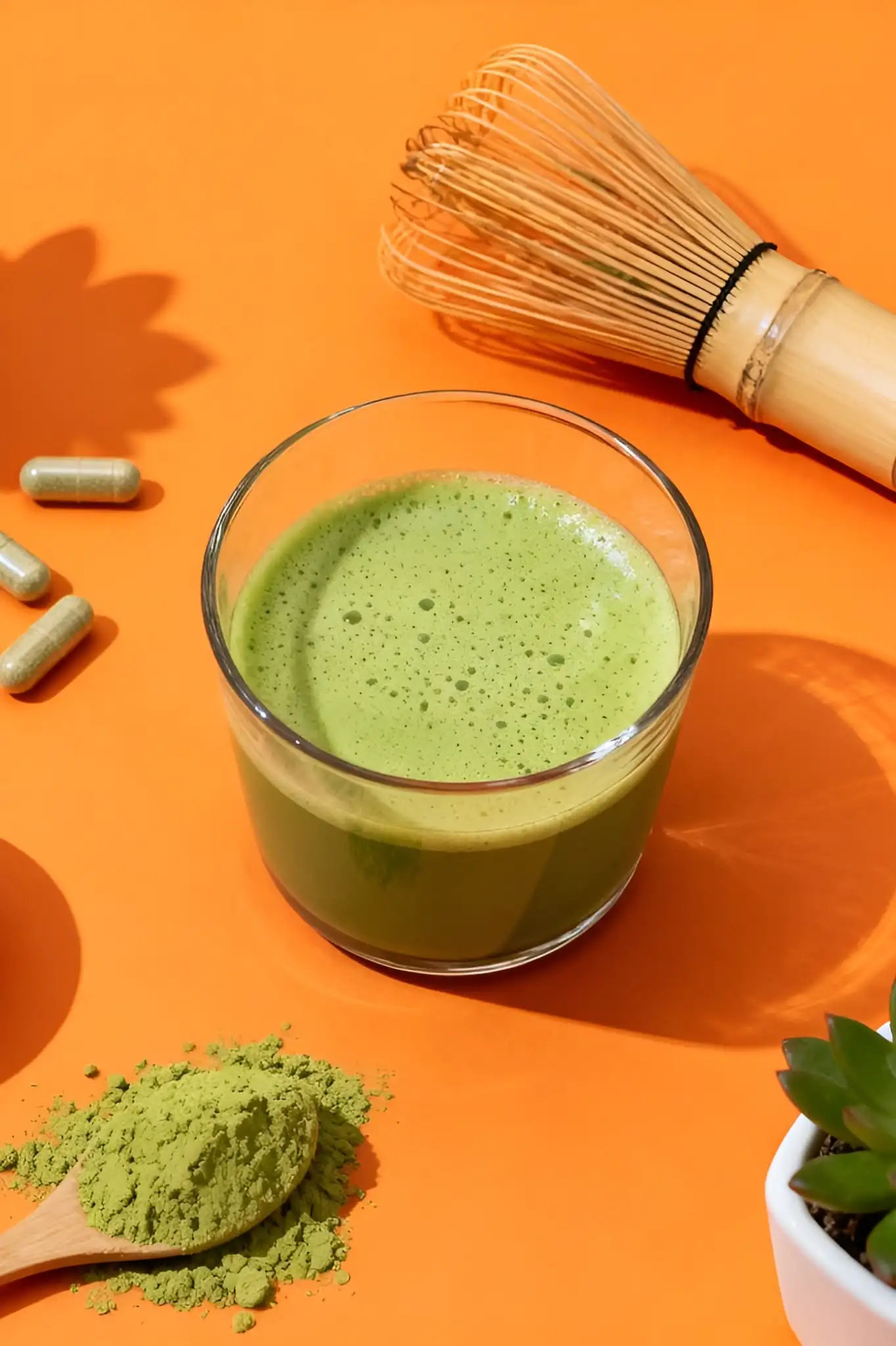
Ube latte sits in a different lane from matcha or coffee. It is not naturally caffeinated like matcha, and it should not be sold as a performance drink unless the formula adds caffeine. Its strength is comfort, color, mild sweetness and recipe flexibility. That makes it useful for people who want a café-style drink without relying on another espresso.
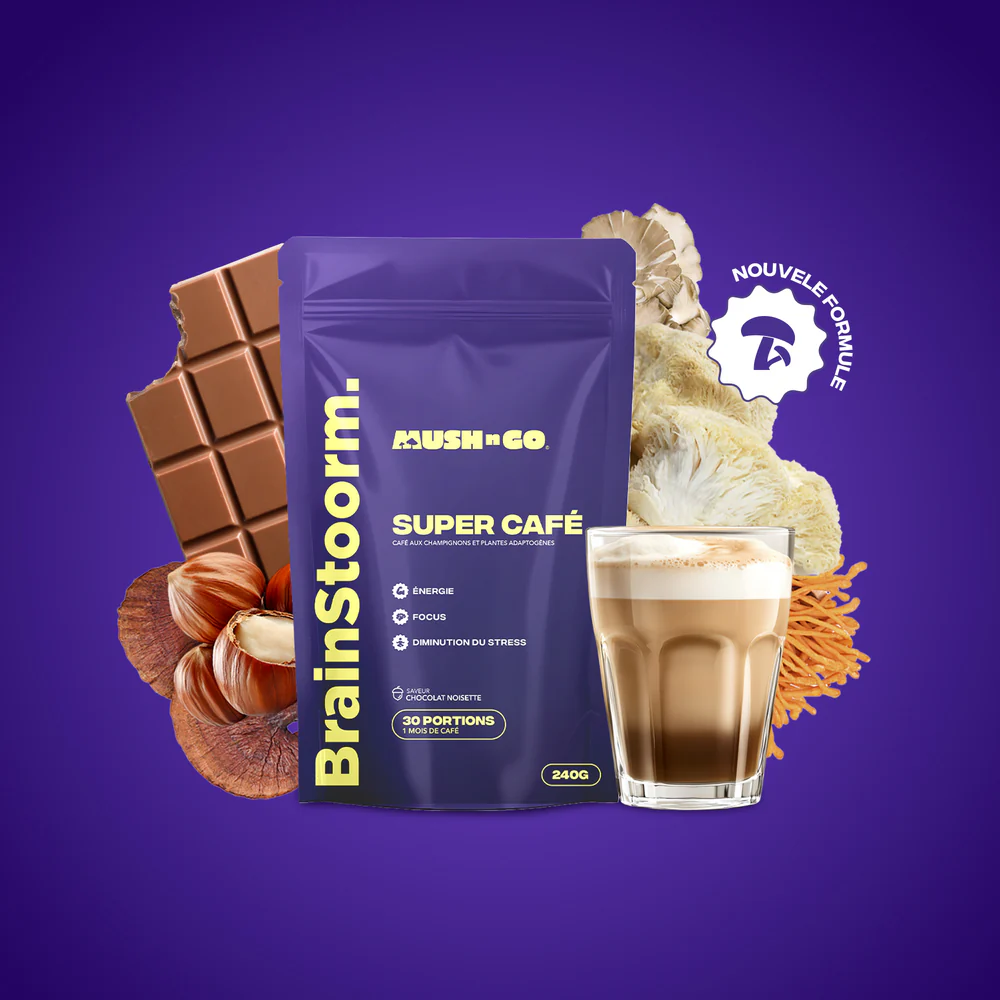
Compared with chai, ube is softer and less spicy. Compared with mushroom coffee, it is more culinary and less functional. Compared with matcha, it is easier for people who dislike bitterness. The right positioning is simple: ube latte is a premium purple comfort drink, not a miracle wellness shortcut.
How to make ube latte taste premium, not sugary
A premium ube latte has balance. The first sip should be creamy and aromatic, not just sweet. If you use ube powder, add sweetness only after tasting the base. Many people oversweeten because they expect ube to behave like a dessert syrup. Real purple yam powder is softer, so vanilla, coconut and a tiny pinch of salt are often more useful than another spoon of sugar.
Temperature also changes the drink. Warm ube latte feels rounder and more dessert-like. Iced ube latte feels lighter, but it needs a stronger paste because ice dilutes the flavor. For an iced version, use 2 teaspoons of powder, bloom it hot, then shake with cold milk and ice.
Where to buy ube powder for latte use
If your priority is the latte, do not buy only on color. Look for solubility, clear ingredients and serving instructions. A good organic ube powder should make a smooth paste quickly. If reviews repeatedly mention clumps or weak taste, keep looking. The best product is the one that makes the recipe easy enough to repeat three times a week.

LMC’s editorial line is built around transparency and reliability. Our content is written to help users make better decisions, based on 7 key criteria* that support trustworthy information, verified promo codes, and useful reviews.
To support LMC, some links are affiliate links. Our recommendations remain independent and based on transparent, verifiable criteria. By using the site, you accept our terms of use and our editorial policy.


.webp)

.avif)