




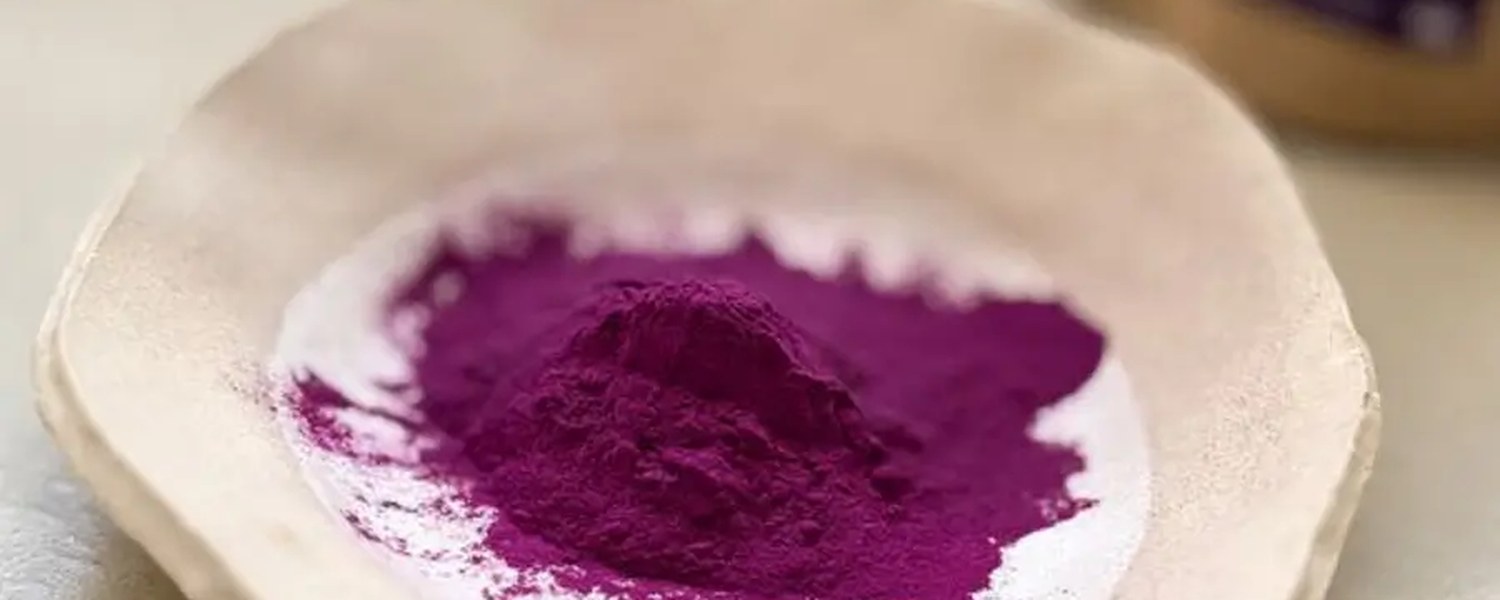
If you spend any time in wellness circles, you have probably seen that unmistakable electric-purple powder pop up in lattes, desserts, and adaptogenic blends. That ingredient is ube, a vivid purple yam native to the Philippines. Its visual appeal is what gets attention, but its nutritional profile is what keeps health-conscious readers interested.
This is not just another Instagram superfood. Ube contains anthocyanin pigments, resistant starch, fiber, and key minerals that make it genuinely relevant for people who care about longevity, digestive comfort, and steadier energy. In other words, there is more substance here than the color alone suggests.
What exactly is ube?
Botanically, ube refers to Dioscorea alata, often called purple yam or winged yam. It is not the same thing as a purple sweet potato, even though the two are constantly confused online. The texture, flavor, and biochemical profile are different, which matters if you are evaluating benefits rather than aesthetics.
Traditional Filipino cuisine has used ube for decades in both sweet and savory preparations. The flavor is naturally mild, slightly nutty, and softly vanilla-like, which is why it works so well in modern drinks and functional recipes. For an English-speaking audience, the simplest way to think about it is this: ube is a carbohydrate-rich whole food with unusually high visual appeal and a surprisingly interesting antioxidant profile.
Why the purple color matters
That deep lavender shade comes from anthocyanins, the same family of polyphenols found in blueberries, black rice, and purple corn. Anthocyanins are studied for their ability to help defend cells against oxidative stress, one of the mechanisms linked to aging, inflammation, and metabolic wear and tear.
Ube also delivers fiber and resistant starch, two compounds that matter far more than most people realize. Rather than being absorbed immediately, resistant starch reaches the colon and acts as fuel for beneficial gut bacteria. That makes ube more than a colorful carb source, it can also support a healthier microbiome and a more favorable digestive environment.
A better-for-you carb, not a miracle cure
The smartest way to position ube is not as a magic ingredient, but as a more interesting whole-food carbohydrate. Compared with ultra-processed snacks or sugary café drinks, ube-based recipes can offer a cleaner nutritional profile, better satiety, and a slower energy curve when paired with protein or fat.
It is especially attractive for readers who want a visually satisfying alternative to artificially colored products. You get the sensory experience people love, but from a plant that also brings fiber, potassium, and antioxidant compounds to the table.

Main ube benefits for health and longevity
The first major advantage of ube is its antioxidant density. Anthocyanins help neutralize free radicals and may support a lower inflammatory burden over time. That does not mean ube replaces a healthy diet, but it does mean it fits naturally into an anti-inflammatory eating pattern built around colorful whole foods.
The second standout benefit is digestive support. Thanks to its fiber and resistant starch content, ube can help feed beneficial gut microbes and improve satiety after meals. For many people, that translates into steadier appetite control, less erratic snacking, and better digestive comfort than highly refined carbohydrate sources.
Ube also has potential value for blood sugar management when eaten in minimally processed form. Because it is a whole tuber rather than an isolated sugar, the energy release tends to be gentler, especially when ube is combined with yogurt, protein powder, nuts, or coconut milk instead of sweet syrups.
Its potassium content is another quiet advantage. Potassium helps support normal muscle function, fluid balance, and healthy blood pressure regulation, useful for active people, high-performers, and anyone trying to build a more nutrient-dense routine.
Are ube lattes actually healthy?
An ube latte can be a smart option, or a sugar bomb, depending on how it is made. In many cafés, the drink is built from sweetened powders and syrups, which turns a promising ingredient into dessert in a cup. At home, however, you can create a far better version by using unsweetened ube powder, a protein-rich milk base, cinnamon, and only a modest amount of sweetener.
That approach keeps the ritual and flavor people enjoy while preserving more of the metabolic upside. For readers who want a coffee alternative that feels indulgent without wrecking their energy, this is where ube becomes genuinely useful.
How to use ube intelligently
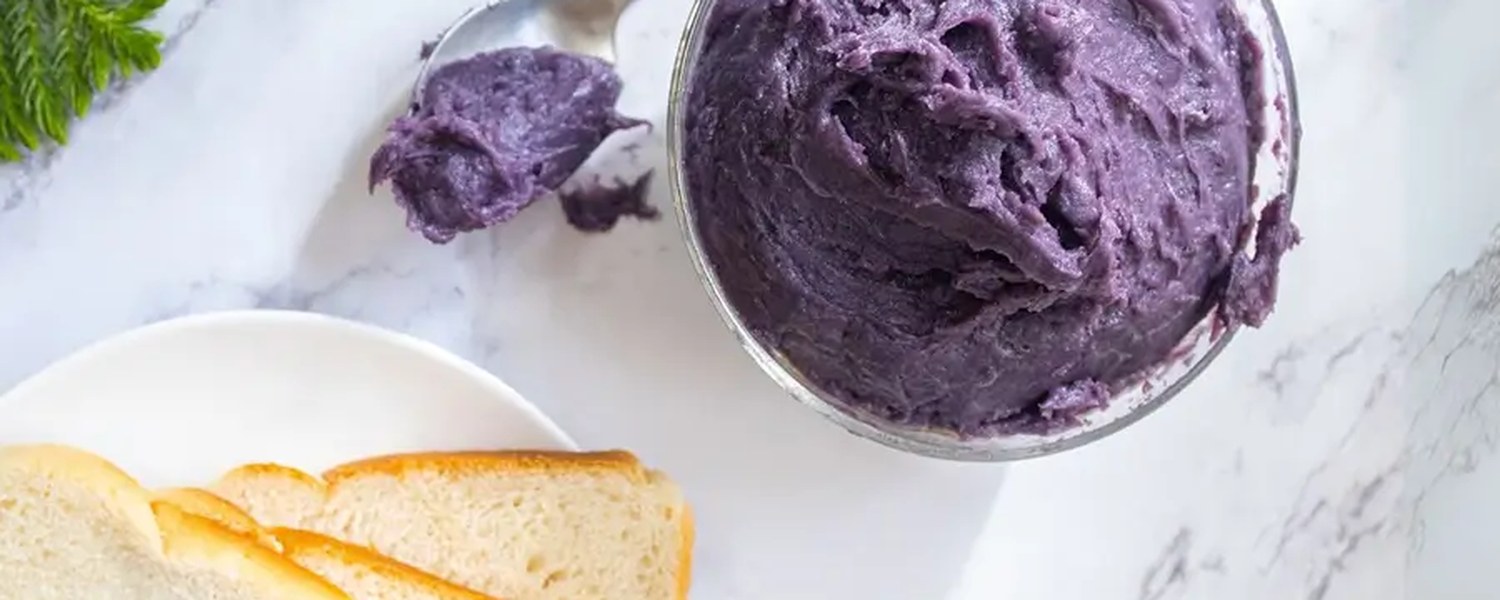
The best format depends on your goal. If you want the most whole-food experience, choose cooked purple yam. If convenience matters more, a minimally sweetened ube powder is the practical option. Look for short ingredient lists, no artificial coloring, and realistic serving sizes.
In the end, the real power of ube is simple: it makes nutrient-dense eating more enjoyable. That alone is valuable. The best wellness foods are not just effective on paper, they are foods you actually want to keep using. Ube clears that bar with ease.
How to choose ube powder without falling for the trend
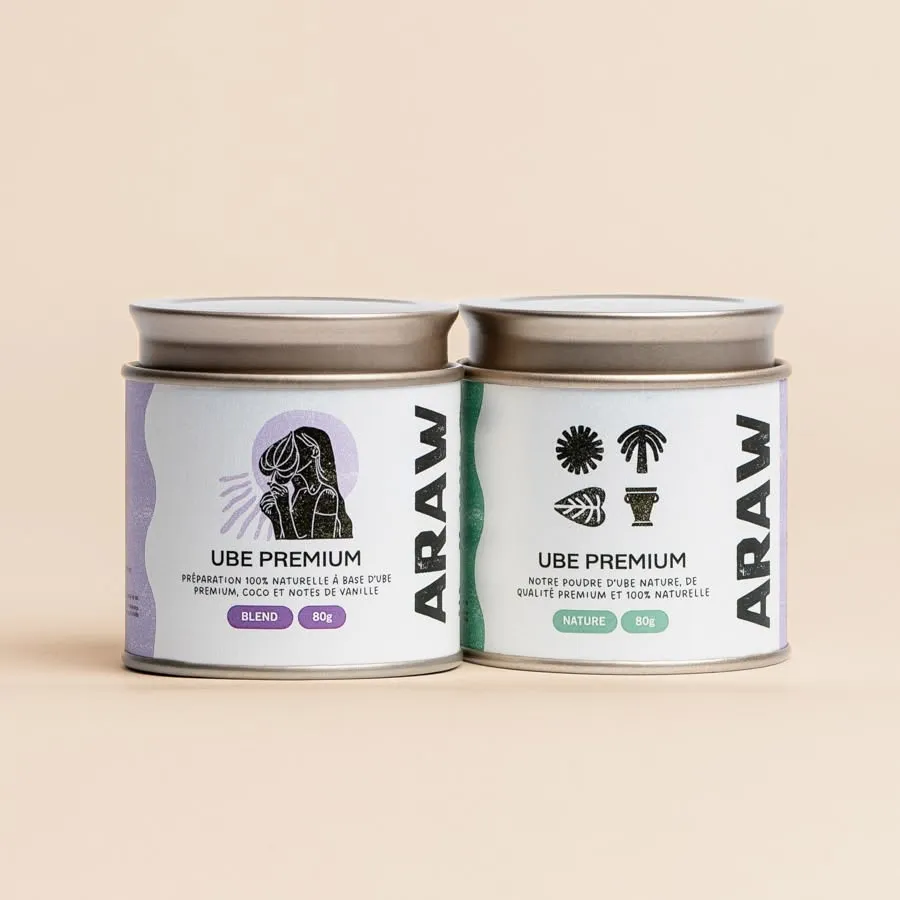
Ube is visually impressive, but the colour alone should not drive the purchase. A serious ube powder should be judged on origin, ingredient list, aroma, texture and how easily it works in recipes. Some products are designed for baking, others for lattes or desserts. If the powder is too coarse, too sweetened or mixed with unnecessary ingredients, the result can be disappointing even when the packaging looks premium.
Before buying, check whether the product is pure purple yam powder or a flavoured blend. Pure powder gives more control in recipes, while blends can be easier for quick drinks but often contain sugar, milk powder or flavouring. For an everyday latte, solubility and taste matter. For baking, colour stability and texture are more important.
LMC buying checklist
- Ingredient list: ideally short, explicit and easy to understand.
- Use case: latte, baking, dessert topping or smoothie.
- Taste profile: naturally sweet, nutty and round rather than artificial.
- Price per serving: compare the cost after dosage, not only the jar price.
The safest approach is to start with a product that clearly explains how to dose it and what it is made for. Ube can be excellent, but the best product is the one that fits your recipe, not just the one that performs well on social media.

LMC’s editorial line is built around transparency and reliability. Our content is written to help users make better decisions, based on 7 key criteria* that support trustworthy information, verified promo codes, and useful reviews.
To support LMC, some links are affiliate links. Our recommendations remain independent and based on transparent, verifiable criteria. By using the site, you accept our terms of use and our editorial policy.



.webp)

.avif)