



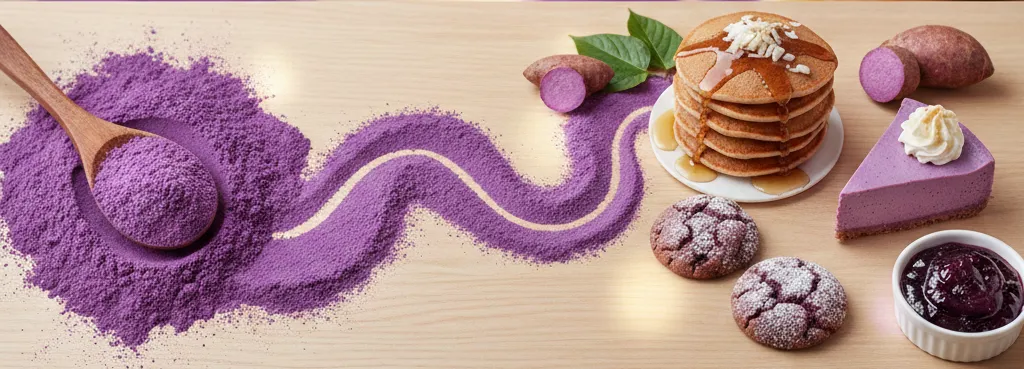
Ube, the purple yam originally associated with Filipino desserts, has become a global favorite thanks to its vivid color and naturally comforting flavor. In powder form, it is much easier to keep on hand and integrate into everyday cooking, whether you are making a latte, a breakfast recipe, or a bakery-style dessert at home.
What makes ube powder appealing is that it does two jobs at once: it brings a distinctive violet hue and it adds a mild taste that sits somewhere between vanilla, chestnut, and sweet potato. Used well, it can transform a simple base into something more visual, more indulgent, and more original without making the recipe overly complex.
What does ube powder taste like?
Ube is not aggressively sweet. Its taste is smooth, slightly nutty, and gently earthy, which is why it works in both rich desserts and lighter recipes. It pairs particularly well with coconut milk, oat milk, vanilla, white chocolate, banana, cinnamon, maple syrup, and cream-based textures.
That versatility explains why ube has moved beyond social-media drinks. It now appears in pancakes, overnight oats, icings, cheesecakes, ice cream bases, and protein snacks where color and flavor both matter.
Why use ube powder instead of fresh ube?
- Convenience: no peeling, steaming, or mashing required.
- Consistency: easier to measure and repeat from one recipe to another.
- Storage: powder keeps longer and is practical for occasional use.
- Versatility: it blends easily into drinks, batters, creams, and no-bake preparations.
For home cooks, this is the easiest way to enjoy the signature look and flavor of purple yam all year round. The key is not just choosing a good powder, but also knowing how to hydrate and combine it properly.

How to use ube powder in the kitchen
The first rule is simple: do not throw the powder straight into a cold batter and hope for the best. For smooth color and texture, pre-mix it with a small amount of lukewarm liquid to create a paste before folding it into the rest of the recipe. This limits lumps and helps the violet shade spread evenly.
How much ube powder should you use?
- Lattes and hot drinks: start with 1 to 2 teaspoons per cup.
- Smoothies and bowls: 1 tablespoon is usually enough for both taste and color.
- Cakes, pancakes, waffles, muffins: 1 to 3 tablespoons depending on batch size and the intensity you want.
- Frostings, creams, and desserts: add gradually and taste as you go, because sweetness and dairy content change the final balance.
Best recipe ideas with ube powder
1. Ube latte: blend the paste with warm milk, a little sweetener, and vanilla for a café-style drink.
2. Ube pancakes: whisk the powder into the wet ingredients before combining with flour for an even purple batter.
3. Ube smoothie: pair it with banana, yogurt, coconut milk, and ice for a thicker, naturally creamy texture.
4. Ube frosting or cheesecake filling: ideal when you want a striking color without artificial flavorings.
Common mistakes to avoid
- Adding too much powder at once and creating a chalky finish.
- Skipping pre-hydration, which often leads to specks and uneven color.
- Using a strongly flavored base that completely masks the ube notes.
- Expecting intense sweetness from the powder alone; it usually needs a balanced recipe around it.
How to store it
Keep ube powder in a tightly sealed container away from heat, light, and humidity. If the powder clumps, sift it before use. A dry spoon and careful storage go a long way in preserving both aroma and color.
In short, ube powder is one of the easiest ways to make homemade recipes look more premium while adding a soft, distinctive flavor. Start small, hydrate it properly, and build from simple recipes before moving on to cakes, fillings, and more elaborate desserts.

How to use ube powder without wasting the flavor
The biggest mistake with ube powder is treating it like a simple food coloring. Good purple yam powder brings a soft vanilla-like sweetness, a nutty depth and a creamy texture, but only if it is hydrated properly. If you throw it straight into cold milk, you usually get purple specks, weak flavor and a drink that looks better than it tastes.
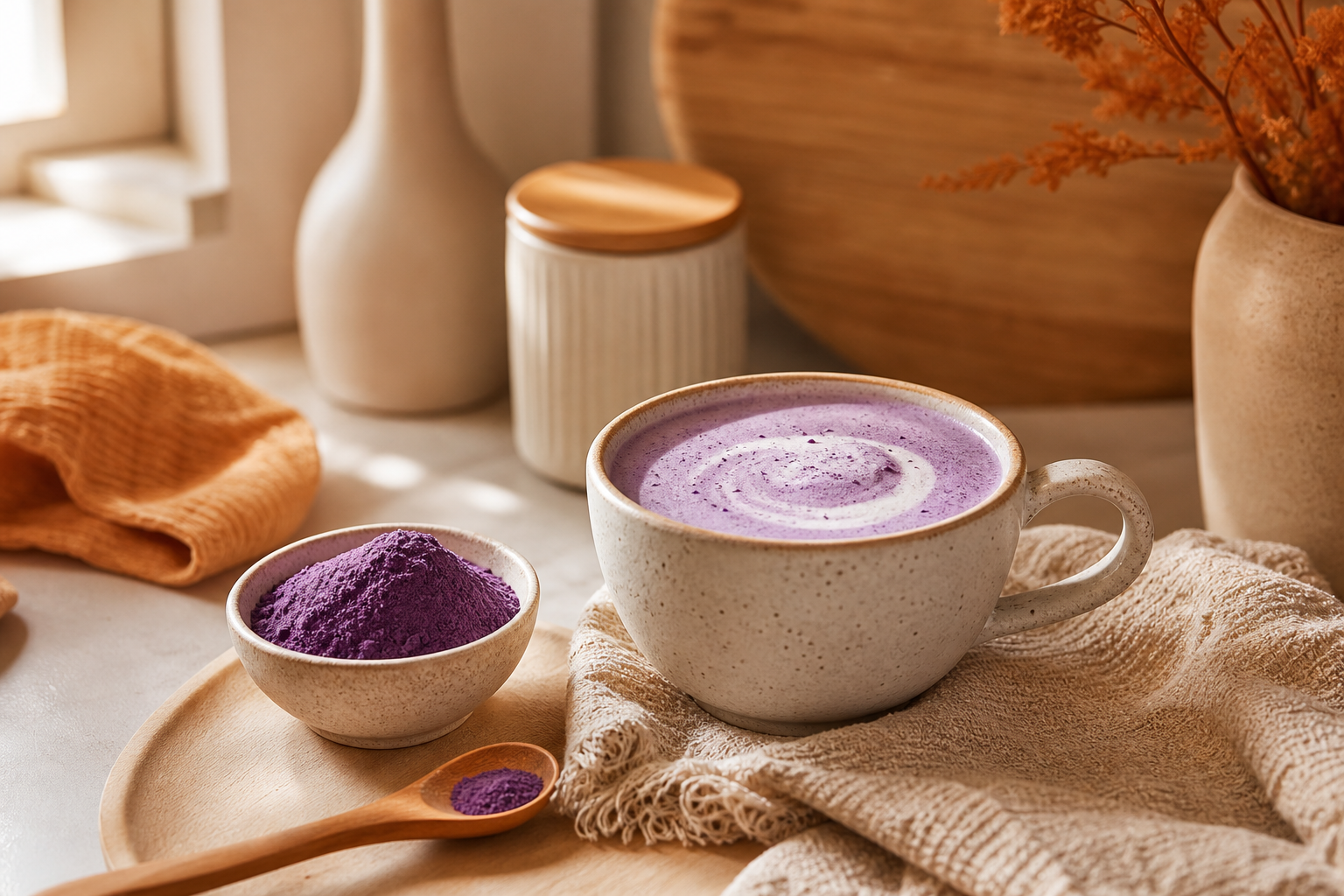
The simple rule: bloom the powder first. Mix 1 to 2 teaspoons of ube powder with a small splash of hot water or warm milk, whisk until it becomes a smooth paste, then add the rest of the liquid. For baking, mix it with the dry ingredients only if the recipe already contains enough moisture. For lattes, smoothies and sauces, pre-hydration is almost always better.
Organic ube powder is especially useful because it lets you control sweetness. Many ready-made purple mixes are already loaded with sugar, dairy powder or flavorings. Pure ube powder gives you the color and taste without forcing the recipe in one direction.
Best everyday uses for organic ube powder
Ube powder works best in recipes where creaminess and mild sweetness make sense. It is less convincing in sharp, acidic preparations. Think milk, coconut, vanilla, oats, pancakes, yogurt bowls and soft desserts.
- Ube latte recipe: bloom the powder, add warm milk or oat milk, then sweeten lightly.
- Pancakes and waffles: add 1 tablespoon to the dry mix for color and a rounded flavor.
- Overnight oats: stir ube paste into milk before adding oats so the color spreads evenly.
- Smoothies: blend with banana, coconut milk or vanilla protein for a thicker purple drink.
- Cakes and muffins: pair with vanilla, coconut, white chocolate or almond.
For a first test, start small. Ube powder is gentle, but it can make a recipe dense if you add too much. In drinks, 1 teaspoon gives color and a light taste. 2 teaspoons gives a more obvious ube profile. Above that, the drink can become grainy unless blended well.
Texture fixes: lumps, weak color and dull taste
If your ube latte tastes flat, the problem is usually not the ingredient itself. It is the method. Weak color often comes from under-dosing or using too much liquid. Lumps come from cold mixing. A chalky texture can come from low-quality powder, but it can also happen when the paste is not whisked long enough.
Use hot liquid for the paste, then finish with milk. Add a pinch of salt if the drink tastes dull. It does not make the latte salty, it makes the natural sweetness stand out. If you want a café-style result, blend the finished drink for 10 to 15 seconds. That single step changes the mouthfeel.
In baking, ube powder tends to pair better with fat than with water alone. Butter, coconut cream, egg yolk or full-fat yogurt help carry the flavor. If a cake looks purple but tastes anonymous, increase vanilla and use a slightly richer base.
What to check before buying purple yam powder
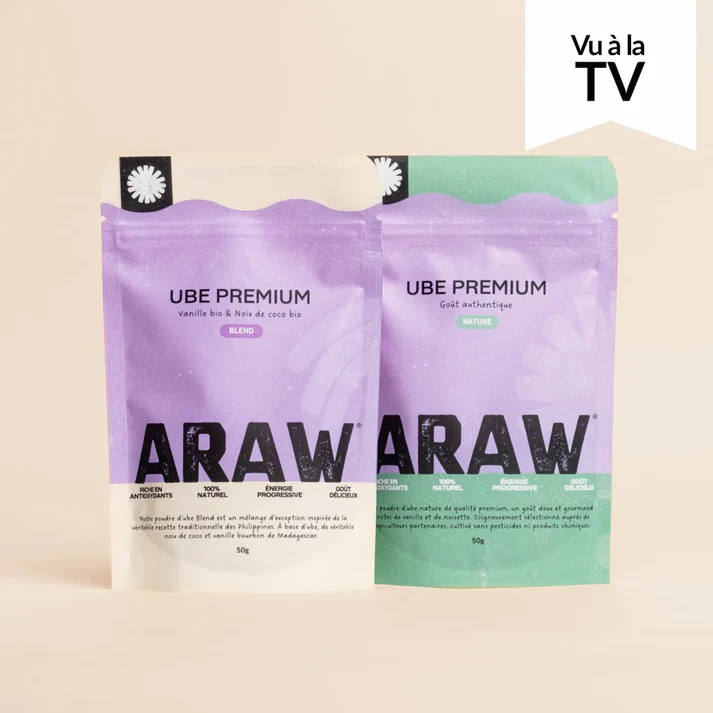
Before asking where to buy ube powder, check the ingredient list. A clean product should be easy to understand: ideally ube, purple yam, or a clear ube-based formula. If the first ingredients are sugar, maltodextrin or artificial flavoring, you are buying a sweet mix more than a real culinary powder.
Also check origin, processing and serving advice. A good powder should tell you how to dose it, how to store it and whether it is designed for drinks, baking or both. For LMC, the best option is not the loudest purple packaging. It is the powder that gives predictable flavor, blends properly and keeps the recipe under your control.
Quick dosing guide by recipe type
For drinks, think in teaspoons. For baking, think in tablespoons. A latte usually needs 1 to 2 teaspoons because the goal is flavor, color and smoothness in a small amount of liquid. A cake batter can take 1 to 2 tablespoons, but you may need a splash more milk because ube powder absorbs moisture. Pancakes sit in the middle: start with 1 tablespoon for a standard batch, then adjust after tasting.
Do not judge the powder only by the dry smell. Ube opens up when hydrated and warmed. If the finished recipe still tastes muted, add vanilla, coconut or a little salt before increasing sugar. That keeps the recipe more balanced and lets the organic ube powder stay in focus.
Common mistakes to avoid
Do not add ube powder directly to a cold shaker bottle and expect a café result. Do not use a heaping spoon before testing the brand. Do not assume every purple yam powder behaves the same. Finer powders blend faster. Coarser powders often need more hydration. For a reliable ube latte recipe, the method matters as much as the product.

LMC’s editorial line is built around transparency and reliability. Our content is written to help users make better decisions, based on 7 key criteria* that support trustworthy information, verified promo codes, and useful reviews.
To support LMC, some links are affiliate links. Our recommendations remain independent and based on transparent, verifiable criteria. By using the site, you accept our terms of use and our editorial policy.



.webp)

.avif)