




The phrase organic ube sounds reassuring. It suggests a cleaner, more natural, almost automatically better purple yam powder. The problem is simple: in the current visible market, we have not found a verifiable organic ube powder sold with a clear, usable certification attached to the product.
So the answer is direct: no, organic ube does not really exist as a proven, widely available product claim unless the seller can show a real organic certificate. If a brand uses the phrase “organic ube” without a certifying body, batch traceability, or a recognized organic label, it is not just a vague marketing shortcut. It is a misleading claim.
This article is not about chasing a mythical organic ube product. It is about understanding what the word “organic” should legally and practically prove, why most ube powders do not meet that standard, and how to choose a serious ube product without paying extra for an empty promise.
Organic ube: why the claim can become misleading
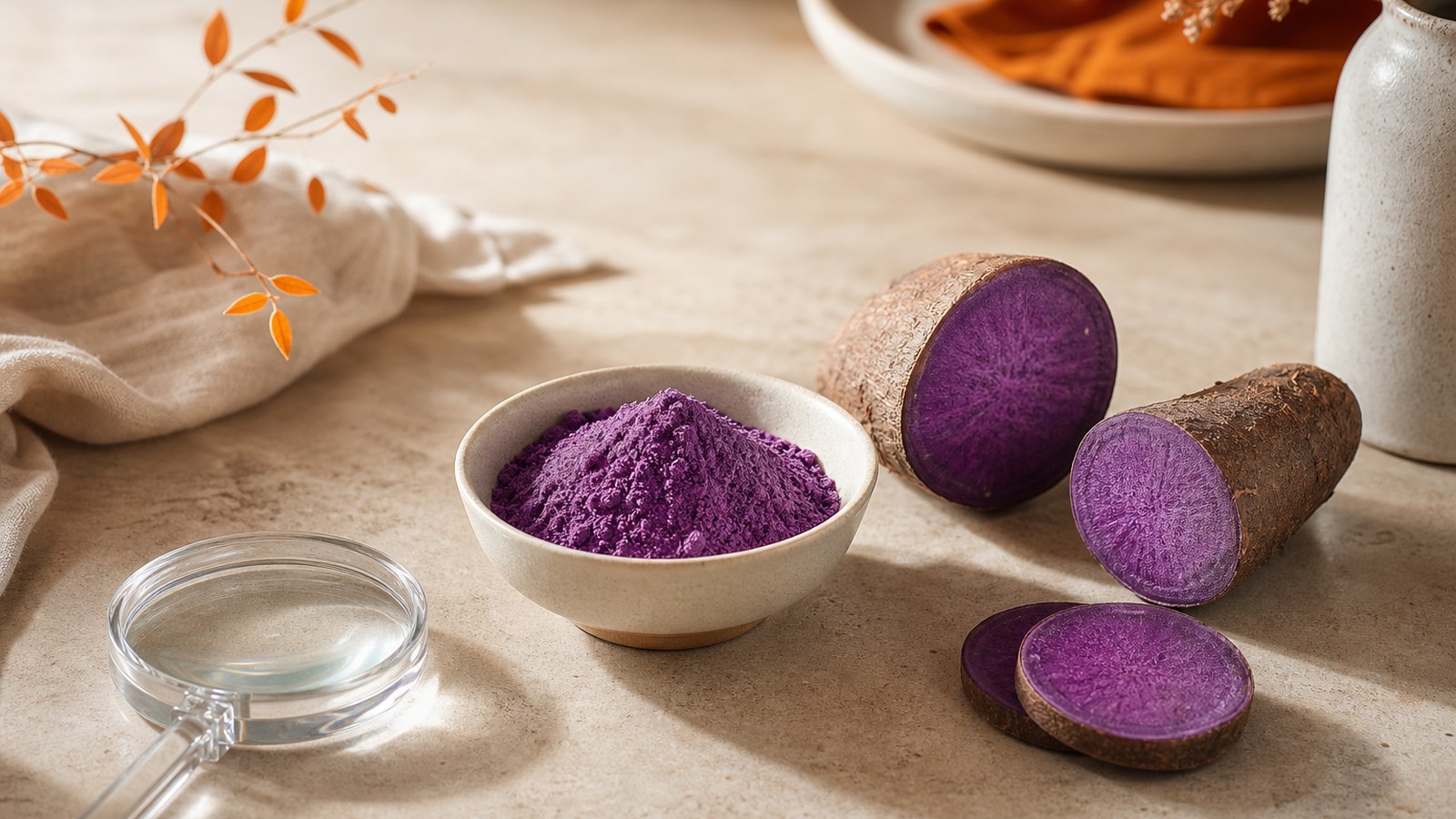
Ube, also known as purple yam, is a naturally purple tuber used in Filipino desserts, drinks, pastries, and now ube lattes. Its color, taste, and cultural appeal make it extremely attractive for wellness, food, and social-media brands. That popularity also creates a temptation: adding words like “organic”, “natural”, “clean”, or “premium” to make the product sound safer and more valuable.
But “organic” is not a lifestyle adjective. In regulated markets, it is supposed to describe a controlled production chain. It should be backed by farming standards, processing rules, inspections, traceability, and a certifying organization. Without those elements, the word has no real value for the buyer.
That is the core issue with organic ube. A product can be made from real purple yam. It can be free from artificial colors. It can have a short ingredient list. It can even taste great. None of that automatically makes it organic.
The short answer
If you are looking for certified organic ube powder, the honest answer is: we have not found a reliable, verifiable organic option currently available in France. The burden of proof is on the seller, not on the consumer. A serious brand should be able to show the organic label, the certifying body, and the traceability behind the product.
If those elements are missing, the safer interpretation is simple: the product may be natural, but it should not be presented as organic.

Organic, natural, additive-free: three different claims
The confusion often starts here. Many people search for organic ube, but what they actually find are products described as natural, pure, authentic, or additive-free. These claims are not the same.
Organic should refer to a controlled certification. Natural usually means the product comes from a plant source and is presented with minimal processing. Additive-free means the formula does not include extra coloring agents, flavorings, fillers, or preservatives. A good ube powder can be natural and additive-free without being organic.
That distinction matters because it protects the buyer from paying for a label that the product cannot prove.
What an organic ube product should prove
In Europe, organic food claims are tied to official rules and controls. In practical terms, a product claiming to be organic should make the verification easy. You should expect to see a recognized organic logo, the name or code of the certifying body, and a clear connection between the certificate and the exact product being sold.
For ube powder, this means the certification should apply to the purple yam ingredient, the processing chain, and the final commercial product. A generic sentence on a sales page is not enough. A vague “organic quality” statement is not enough. A nice green badge designed by the brand is not enough.
Why real organic ube is so hard to find
There are several practical reasons why certified organic ube powder is difficult to find. Ube is not produced everywhere. It is strongly associated with Southeast Asian agriculture, especially the Philippines. Turning it into a stable powder also involves sourcing, drying, processing, exporting, importing, and packaging. For an organic claim to be reliable, the whole chain needs to be documented.
That level of traceability is possible in theory, but it is not what most consumer-facing ube powders currently show. Many sellers focus on flavor, color, recipes, latte use, or origin storytelling. Very few provide the kind of certification details that would justify a strict organic claim.
This is why the most honest position is not “all ube powders are bad”. The honest position is: do not call it organic unless the proof is visible.
How some brands turn “organic ube” into a marketing trap
The trap is subtle. A page may combine natural language, purple imagery, health-adjacent wording, and premium packaging. The buyer then fills in the gap and assumes the product is organic, clean, or superior. Sometimes the word “organic” is used directly. Sometimes it appears in SEO copy, marketplace titles, or promotional snippets without any certification behind it.
That is where the claim becomes dangerous. It does not simply inform the buyer. It nudges the buyer toward a belief that has not been proven. If a brand says “organic ube” but cannot show a valid certificate, the claim should be treated as misleading.
Checklist: how to verify an organic ube claim before buying
Before buying any product marketed as organic ube, check these points:
- Is there a recognized organic logo? Not just a green icon, but an actual official certification mark.
- Is the certifying body named? A serious product should not hide who certified it.
- Does the certificate match the product? It should not be a generic supplier document unrelated to the item you are buying.
- Is the ingredient list clear? Ideally, the product should be based on ube powder with no unnecessary additives.
- Is the origin transparent? The brand should explain where the ube comes from and how it is processed.
- Does the page confuse natural with organic? If it uses the words interchangeably, that is a red flag.
What to choose instead of chasing “organic ube”
The best decision is not to reject ube altogether. Ube remains a unique ingredient with a beautiful color, a sweet nutty profile, and strong recipe potential. The better decision is to stop paying extra for an unproven organic claim and focus on product quality.
Look for a ube powder that is transparent, easy to use, well reviewed, and positioned honestly. The product does not need to pretend to be certified organic if it can prove what actually matters: clear composition, good taste, practical use, and no fake promise.
Why Araw is the better main product choice here
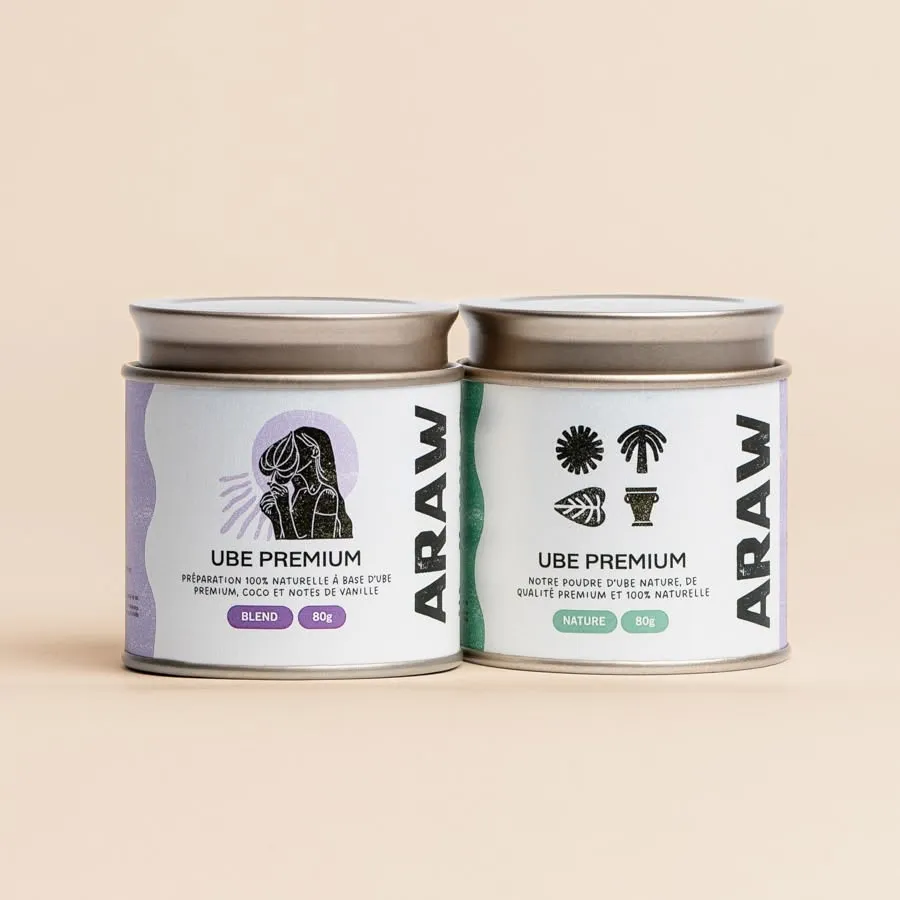
For this topic, Araw is the most relevant product to put forward because the angle is not “buy organic ube at all costs”. The angle is: avoid the fake organic promise and choose a serious ube product instead.
Araw fits that positioning because it focuses on the real use case: making ube drinks, desserts, and recipes with a practical purple yam powder. The value is not built on a questionable organic label. It is built on the ingredient, the experience, and the result in the cup or recipe.
That is a much healthier message for the reader. Rather than selling a fantasy label, the article can guide people toward a product that makes sense for what they actually want: an accessible, flavorful ube powder for lattes, baking, and everyday use.

Is organic ube a scam?
The word “scam” depends on how the product is presented. If a seller clearly says the product is not certified organic, there is no issue. If the seller uses natural wording without making an organic claim, the buyer simply needs to understand the difference. But if a brand explicitly markets a product as organic ube without proof, then yes: the claim is misleading and should be challenged.
The problem is not ube. The problem is the misuse of the organic label. Ube can be a great ingredient. Araw can be a strong product choice. But “organic ube” should not be treated as real unless the proof is visible.
What this means for shoppers in practice
For shoppers, the practical rule is simple: do not reward unclear labels. If a product page uses “organic ube” as a headline claim but gives no verifiable details, treat the wording as a sales argument, not as proof. The brand may still sell a decent ube powder, but the organic part should not influence your decision or justify a higher price.
This is especially important because ube is often bought for recipes, color, and taste rather than for a strict nutritional protocol. Most buyers want a powder that mixes well, gives a recognizable purple color, and works in a latte, smoothie, cake, mochi, pancake batter, or dessert cream. Those outcomes depend more on ingredient quality, powder texture, and concentration than on an unsupported organic label.
In other words, the buyer should ask a better question. Not “is this ube organic?” but “what exactly does this brand prove?” A transparent non-organic product is better than an organic-looking product that cannot document its claim.
When the word organic should make you more cautious, not less
Usually, consumers see the word organic and lower their guard. With ube, it should do the opposite. Because the claim is rare and hard to verify, it should trigger a quick audit of the product page. If the seller is serious, the evidence will be easy to find. If the page relies only on vague reassurance, premium visuals, and natural-sounding copy, that is a weak signal.
Be especially cautious with marketplaces and reseller pages. Product titles can be optimized for search and may include words that are not properly backed by the brand itself. A reseller may write “organic” because buyers search for it, while the actual product packaging or supplier documentation does not support it. This is why the proof needs to be connected to the exact product, not just to a keyword in a title.
How LMC evaluates the claim
Our position is deliberately strict. We do not consider “organic ube” credible unless three elements are present: a clear certification, a recognizable certifying body, and traceability attached to the product being sold. If one of these elements is missing, the claim is not strong enough to be used as a buying argument.
This strict approach does not punish good brands. It protects them. Brands that communicate honestly about natural ube powder should not be placed in the same category as sellers using a label they cannot prove. The goal is not to attack ube. The goal is to make the market cleaner and easier to understand.
FAQ about organic ube
Does certified organic ube powder exist?
It may exist in theory, but we have not found a clear, verifiable certified organic ube powder available in the visible French market. If a seller claims otherwise, ask for the certificate and certifying body.
Is natural ube the same as organic ube?
No. Natural means the product comes from a natural ingredient or is positioned with minimal processing. Organic requires certification and traceability.
Can ube powder be good without being organic?
Yes. A ube powder can be useful, tasty, and high quality without being certified organic. The key is honest positioning and clear composition.
Why do brands use the word organic?
Because it increases trust and perceived value. That is exactly why the claim needs proof. Without proof, it becomes a marketing shortcut.
Final verdict
Organic ube is not a claim you should trust blindly. Without a recognized certification, a certifying body, and traceability connected to the actual product, the phrase has little value. In many cases, it is simply a misleading marketing claim.
The smart move is to separate the ingredient from the label. Ube can be worth buying. Araw can be a relevant main product for anyone who wants to make ube lattes or purple yam recipes. But the organic promise should only be accepted when the proof is clear.
Until then, the best rule is simple: choose real transparency over fake organic wording.

LMC’s editorial line is built around transparency and reliability. Our content is written to help users make better decisions, based on 7 key criteria* that support trustworthy information, verified promo codes, and useful reviews.
To support LMC, some links are affiliate links. Our recommendations remain independent and based on transparent, verifiable criteria. By using the site, you accept our terms of use and our editorial policy.


.webp)

.avif)