


Coffee and irritable bowel syndrome: a complicated relationship
Irritable bowel syndrome (IBS), also known as functional colopathy, is a chronic digestive disorder that affects between 5 and 10% of the French population. Its main symptoms are abdominal pain, bloating, alternating constipation and diarrhea, and persistent discomfort after meals. What makes IBS particularly difficult to manage is the gut’s extreme sensitivity to dietary and emotional triggers.
Coffee is among the most documented triggers. Three main mechanisms explain this intolerance:
- Bean acidity: coffee naturally contains chlorogenic and quinic acids, which stimulate gastric acid secretion. In people with IBS, this acid production amplifies irritation of the digestive mucosa and triggers a local inflammatory response.
- The prokinetic effect of caffeine: caffeine accelerates intestinal transit by stimulating the enteric nervous system. In diarrhea-predominant IBS profiles, this effect can cause cramps, spasms and digestive urgency within minutes of consumption.
- Visceral hypersensitivity: people with IBS have increased sensitivity of intestinal nerves to normal stimulation. Coffee, even in small amounts, amplifies this reactivity. Drinking coffee on an empty stomach makes it worse: without a food buffer, the digestive mucosa receives direct and aggressive stimulation.
A study published in Frontiers in Nutrition in 2021 (Koochakpoor et al.) confirmed the association between caffeine consumption and worsening IBS symptoms, especially in constipation-predominant profiles, partly through caffeine’s diuretic effect.
Why even decaf does not solve the problem
Many people with IBS make the logical choice to switch to decaf. It is a partial improvement, but rarely enough. The reason is biochemical: chlorogenic acid is present in the coffee bean regardless of caffeine. The decaffeination process removes the stimulating molecule, but keeps the bean’s natural acids, which irritate the gastric and intestinal mucosa.
In other words, decaf can still trigger acid reflux, digestive irritation or an IBS episode in the most sensitive people. Some clinicians specializing in gastroenterology explicitly note this: for severe IBS profiles, decaf is not a solution : it is simply less problematic.
This observation points to a more radical conclusion: it is not the caffeine dose that needs adjusting, but the base of the drink itself. Switching to a drink whose base is not coffee beans, but naturally low-acid roasted grains, changes the digestive equation completely.
Bonjour Drink: what the Day formula really contains
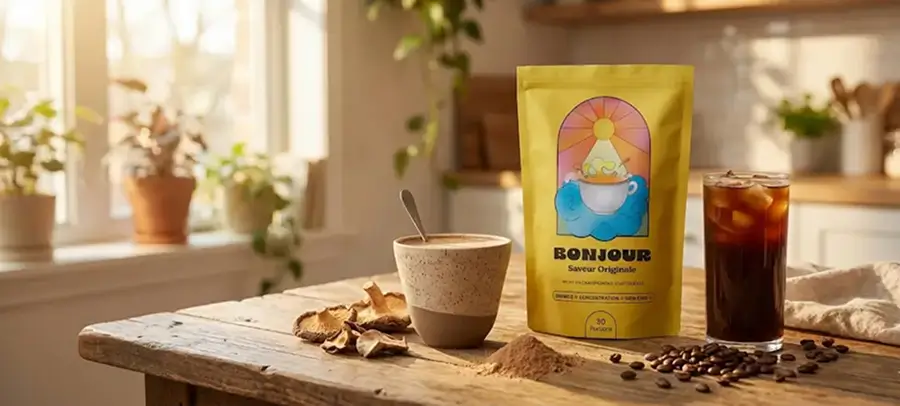
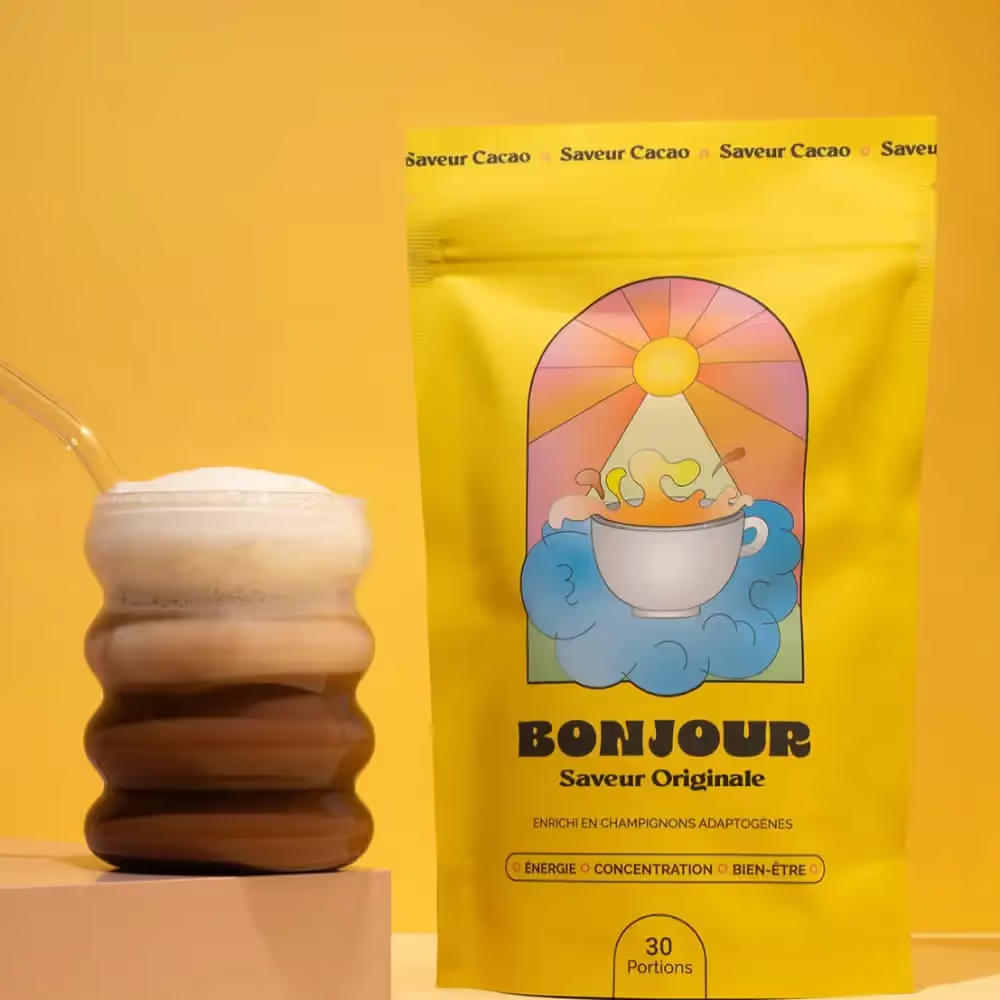
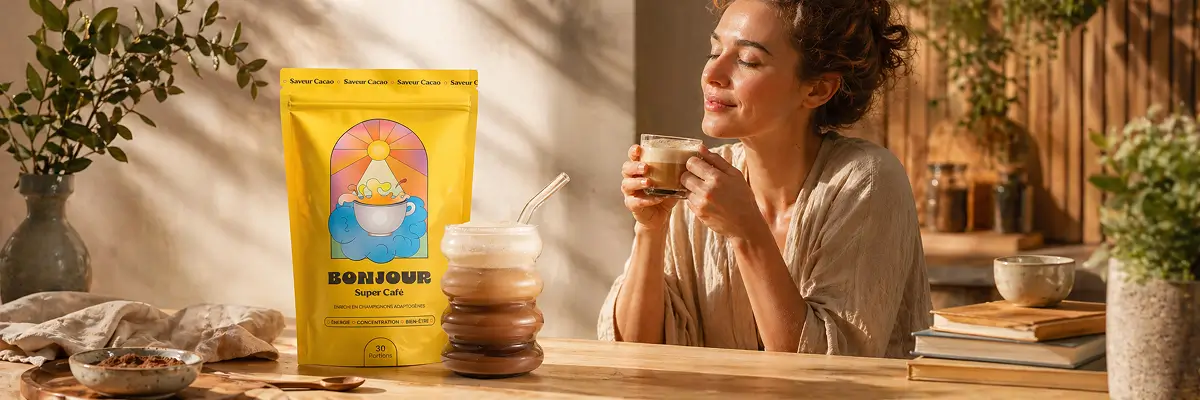
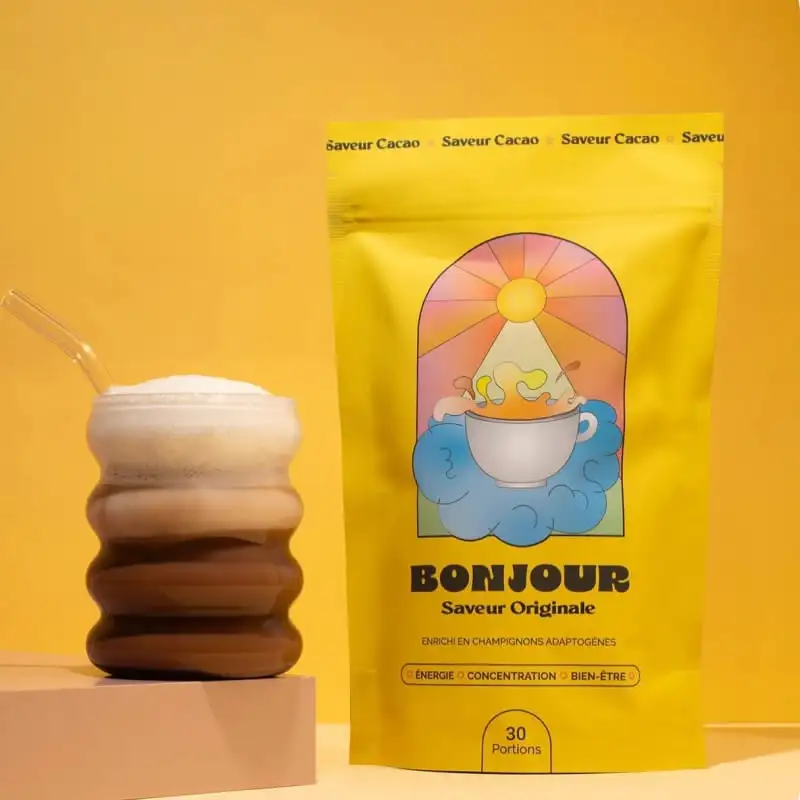
Bonjour Drink is not an upgraded decaf coffee. It is a functional drink built on a base of roasted barley and cocoa, two ingredients that are naturally gentle on the stomach, with 2,700 mg of French organic plant and mushroom extracts added per cup. The formula was developed with a French laboratory specialized in food supplements for more than 20 years, and every batch is analyzed by Phytocontrol, a COFRAC-accredited independent laboratory.
Bonjour’s Day ritual specifically targets energy, focus and digestive comfort through five active ingredients:
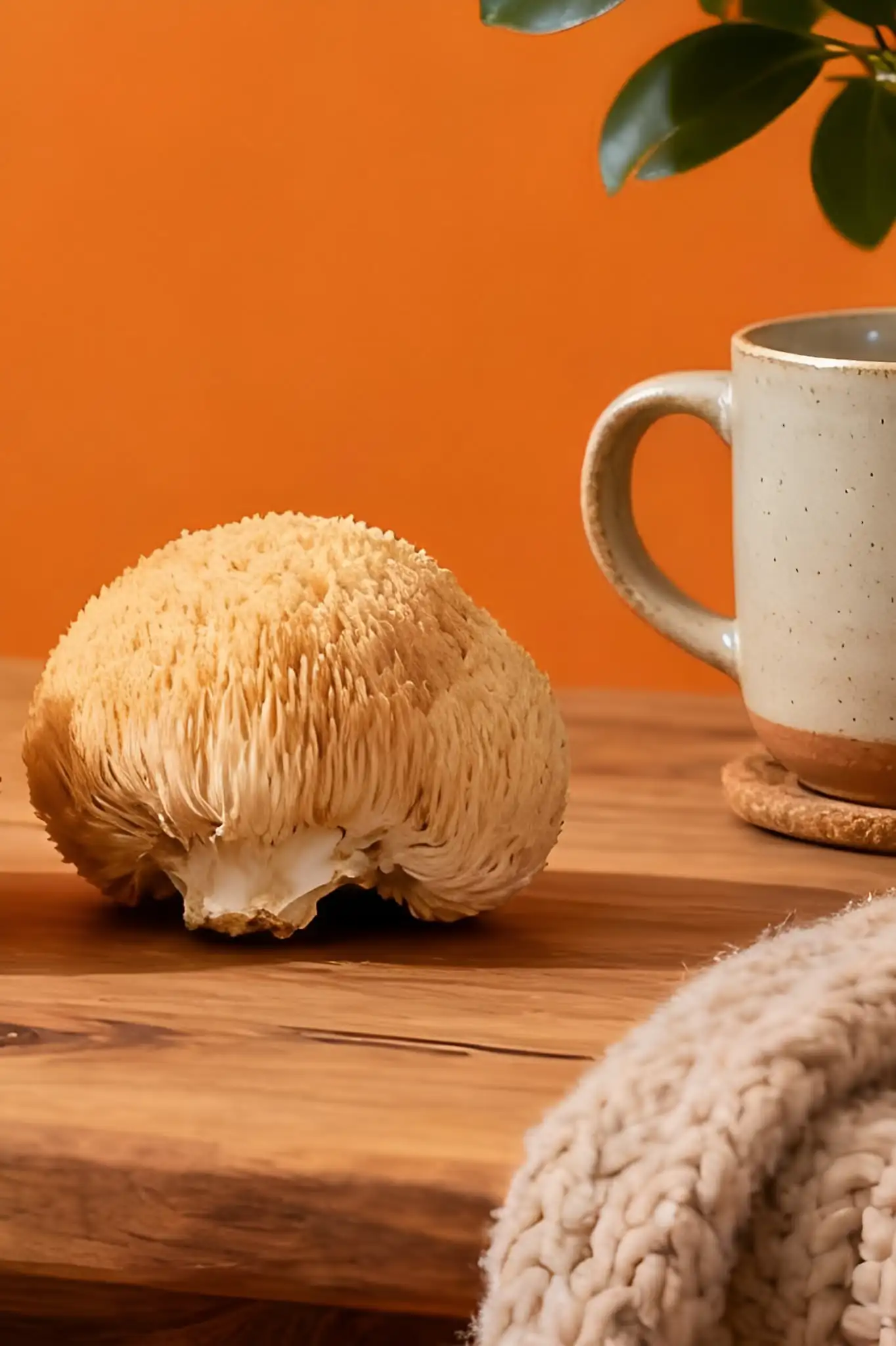
- Lion's Mane (Hericium erinaceus): mental clarity and focus, but also support for the intestinal mucosa through its prebiotic beta-glucans
- Cordyceps (Cordyceps sinensis): natural, lasting energy, without stimulation spikes or jitters
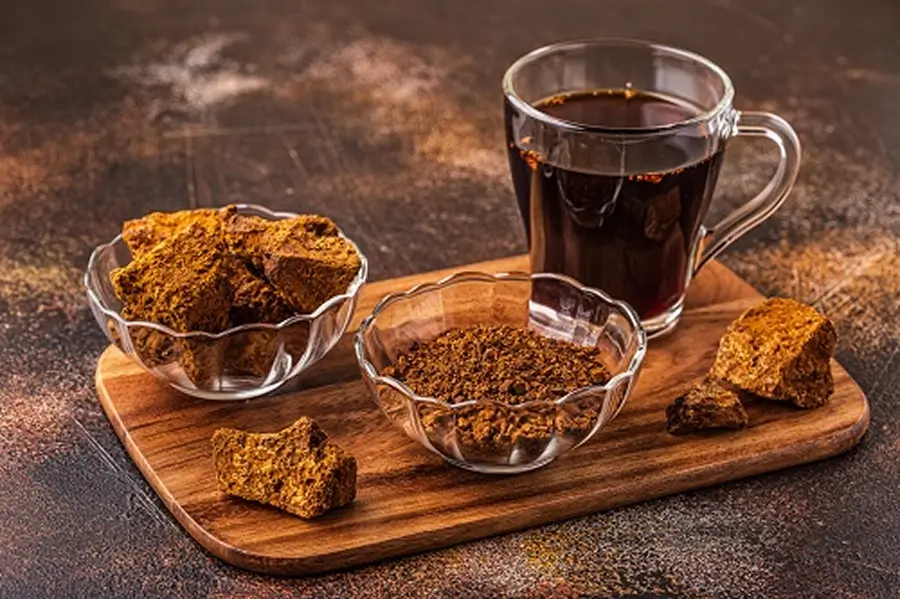
- Chaga (Inonotus obliquus): calms digestive discomfort and protects the intestine through its antioxidant power
- Mallow (Malva sylvestris): actively soothes the stomach and protects the digestive mucosa, an ingredient often forgotten in adaptogenic formulas but particularly relevant for sensitive guts
- Ginseng (Panax ginseng): supports vitality and natural defenses
In terms of caffeine, the Original and Coffee versions contain 35 mg of caffeine from green coffee (5 times less than a standard espresso). For the most caffeine-sensitive IBS profiles, the Cocoa, Gourmet Chocolate and Decaf versions contain no caffeine. The drink is gluten-free, lactose-free, with no added sugars, no additives and 100% vegan. Bonjour is rated 4.9/5 from more than 20,000 Trustpilot reviews, with especially positive feedback on digestive tolerance.
⚠️ Bonjour Drink is a food supplement: it is not a substitute for medical treatment and is not intended to diagnose or prevent disease. If you have diagnosed IBS or are currently taking medication, consult your doctor before taking any supplement.


Lion's Mane, Chaga and the microbiome: the active duo for irritable bowel syndrome
Beyond the low-acid base, it is the adaptogenic mushroom composition that differentiates Bonjour Drink from a simple cereal infusion. Lion's Mane and Chaga have both been the subject of specific research on digestive health.
Lion's Mane acts on irritable bowel syndrome at two levels. Its beta-glucans function as natural prebiotics: they feed beneficial bacteria in the microbiome and help restore the balance of gut flora that is often disrupted in people with IBS. A study published in the Journal of Agricultural and Food Chemistry in 2015 showed that Lion's Mane could reduce the expression of pro-inflammatory cytokines in the intestine, helping create a calmer intestinal environment. Another paper in Gut Microbes in 2018 highlighted its role in maintaining intestinal permeability, limiting Understanding often called “leaky gut”.
Chaga complements this action by providing powerful antioxidant protection. Rich in polysaccharides, it protects the intestinal mucosa against oxidative damage and strengthens the natural intestinal barrier. The Lion's Mane + Chaga synergy therefore covers two key IBS pathways: reducing low-grade chronic inflammation and rebalancing the microbiome.
Mallow completes the digestive trio with its soothing properties recognized in herbal medicine: it forms a protective film over the digestive mucosa, reduces stomach irritation and eases feelings of heaviness after meals. An often underestimated ingredient, but particularly well chosen for a formula designed for sensitive stomachs.
Mushroom coffee and bloating: what users report
Bonjour Drink customer feedback converges around several recurring observations among people with sensitive intestines: easier digestion, a lighter stomach after the morning cup, reduced bloating, and the disappearance of morning cramps often associated with traditional coffee. The energy described is more stable and progressive, without the spike followed by the energy “crash” typical of high-dose caffeine.
This profile is exactly what people with IBS are looking for: a morning ritual that stimulates without irritating. The absence of aggressive acidity and the low caffeine load do not trigger the brutal colon stimulation that causes digestive urgency in IBS-D profiles (diarrhea-predominant). For IBS-C profiles (constipation-predominant), the beta-glucans in Lion's Mane and Cordyceps contribute to gentle transit regulation without a marked laxative effect.
For people whose IBS comes with sleep problems and evening digestive anxiety, Bonjour’s Night ritual offers a complementary option: Reishi (defenses and calming), Passionflower (relaxation), L-theanine (mental calm without drowsiness), Chamomile (gentleness and serenity) and Green anise (calmer digestion after dinner). 🌙
How to integrate Bonjour Drink into an IBS-friendly routine
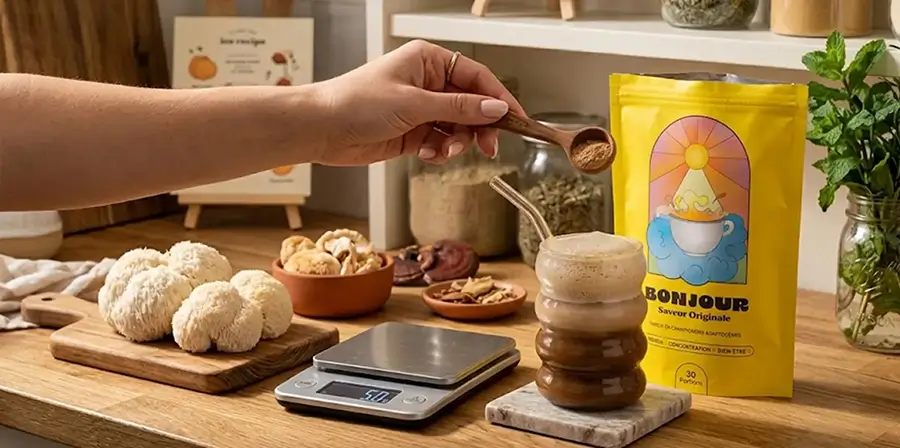
Changing your morning drink is not enough: the way you integrate Bonjour Drink into an IBS routine requires a few practical adjustments to maximize tolerance and benefits.
Choose the flavor according to your profile:
- Severe IBS or caffeine hypersensitivity: start with Cocoa, Gourmet Chocolate or Decaf (0 mg caffeine)
- Moderate IBS with good tolerance to low caffeine: Original or Coffee (35 mg, the equivalent of a light tea)
Timing: avoid drinking Bonjour strictly on an empty stomach during the first two weeks. Drink it with a light breakfast (apple compote, rice bread, banana) to gradually accustom the mucosa. After a few days of adaptation, most people tolerate the drink well in the morning before eating.
Preparation: one tablespoon (6 g) in 200 ml of hot water or unsweetened plant-based milk (oat, rice, almond). Avoid cow’s milk if lactose intolerance worsens IBS symptoms.
Progression: 1 cup per day for the first 7 to 10 days, then increase to 2 if well tolerated. Observe your digestive response before increasing.
At the same time: Bonjour Drink fits well into a broader IBS-friendly approach that includes a low-FODMAP diet, stress management (the gut-brain axis plays a central role in IBS), and good daily hydration.
Bonjour offers a 60-day money-back guarantee: enough time to test it over several digestive cycles and assess the real impact on symptoms. 💚
To go further on the effects of Bonjour Drink in the evening, read our article on Bonjour Drink at night and sleep. You can also read our full Bonjour Drink review or discover our comparison of adaptogenic coffee vs regular coffee.
Conclusion
Traditional coffee creates a real, documented problem for people with irritable bowel syndrome: aggressive acidity, prokinetic caffeine and brutal stimulation of the colon. Switching to decaf is only a partial solution as long as the base remains coffee beans. Bonjour Drink offers a more fundamental break: a low-acid cereal base, caffeine divided by 5 (or absent), and above all a formula enriched with Lion's Mane, Chaga and Mallow that actively support the intestinal mucosa, microbiome and digestive barrier.
It is not a therapeutic promise : it is a ritual change designed for sensitive guts, validated by more than 20,000 customer reviews and a 60-day guarantee to test it without risk. For anyone who has given up the pleasure of a warm morning drink, Bonjour Drink is clearly worth trying. ☀️
Scientific references
- Koochakpoor G et al. Association of coffee and caffeine intake with irritable bowel syndrome in adults. Frontiers in Nutrition, 2021 ; 8 : 632469. https://doi.org/10.3389/fnut.2021.632469
- Shang X et al. Hericium erinaceus polysaccharides reduce pro-inflammatory cytokine expression in the intestine. Journal of Agricultural and Food Chemistry, 2015. https://doi.org/10.1021/acs.jafc.5b01910
- Diling C et al. Insights into the intestinal microbiome and Hericium erinaceus. Gut Microbes, 2018. https://doi.org/10.1080/19490976.2017.1394563

LMC’s editorial line is built around transparency and reliability. Our content is written to help users make better decisions, based on 7 key criteria* that support trustworthy information, verified promo codes, and useful reviews.
To support LMC, some links are affiliate links. Our recommendations remain independent and based on transparent, verifiable criteria. By using the site, you accept our terms of use and our editorial policy.



.webp)