




Why avoid melatonin?
If you struggle to fall asleep, melatonin is usually the first supplement you see in pharmacies, online rankings and sleep-focused advertising. It is easy to find, inexpensive and often presented as the universal answer to insomnia. So why look for something else? Because for many people, melatonin is not the smartest long-term tool, and natural alternatives are often a better fit for everyday sleep support.
Melatonin limits and side effects
Melatonin is a hormone naturally produced by the pineal gland. Taking it as a supplement means adding an external hormone to a system that already depends on timing, light exposure and circadian stability. In the short term, the most common side effects include headaches, daytime grogginess, nausea and unusually vivid dreams that can make sleep feel less restorative rather than more restorative. French health authorities have also issued specific precautions for vulnerable groups.
What is less often discussed is dosing error. A product dosed at 5 mg when 0.5 mg would have been enough, or taken at inconsistent times, can disrupt your circadian rhythm instead of helping it. In other words, melatonin can work well in the right context, but it is not a casual supplement to use without strategy.
Dependence and habit formation
Melatonin does not create physical dependence in the classic pharmacological sense. But in real life, many users report that they struggle to fall asleep once they stop taking it after several weeks. That habit loop matters. The brain gets used to receiving an external sleep signal every night, and confidence in natural sleep gradually drops. One major advantage of non-melatonin formulas is that they support the conditions for sleep instead of replacing the signal itself.
Contraindications: pregnancy, medication, children
The official contraindications for melatonin are broad. It is generally discouraged during pregnancy and breastfeeding, in children and teenagers, in people with autoimmune disorders, epilepsy or asthma, and in those using anticoagulants or immunosuppressive medication. It is also not a great match with alcohol and can reduce alertness the next day. For these profiles, herbs, minerals and amino acids often offer a safer and more flexible starting point.
When are natural alternatives the better choice?
Natural alternatives are especially relevant when insomnia is mild to moderate, stress-related, linked to muscle tension, anxious thoughts or a nervous system that never really switches off. They are also worth considering if you want a solution you can build into a long-term routine without relying on a nightly hormone. Instead of forcing sleep onset, these ingredients work upstream by supporting relaxation, lowering stress load and improving overall sleep quality.
The best natural alternatives to melatonin for sleep
If you have decided to avoid melatonin, or simply cannot take it, the good news is that natural sleep support is not limited to one ingredient. Several well-documented compounds can help you unwind, shorten sleep latency and improve recovery quality. The right one depends on why you are sleeping badly in the first place.
Valerian: the classic herbal sleep aid
Valeriana officinalis is probably the best-known medicinal plant for sleep. The WHO recognizes valerian as a mild sedative that can support sleep onset. Its main mechanism involves the GABA system in the brain, the same inhibitory pathway associated with calming neuronal activity, but without the same rebound profile as sleeping pills. Studies suggest that taking 400 to 600 mg of standardized dry extract around 30 minutes before bed can improve sleep quality and reduce the time it takes to fall asleep after two to four weeks of consistent use. It is not instant, but it is often reliable.
Passionflower: ideal for anxious thoughts
Passiflora incarnata is especially useful when your insomnia comes from a mind that refuses to slow down. Rich in flavonoids and compounds such as chrysin, passionflower offers gentle anxiolytic support without leaving most users sedated during the day. Several studies suggest improvements in both total sleep time and perceived sleep quality. Combined with valerian, the classic phytotherapy pairing, it becomes one of the most effective plant-based strategies for stress-related difficulty falling asleep.
Lemon balm: nervous-system soothing
Melissa officinalis is often underestimated, yet it has a convincing profile for evening use. Lemon balm helps slow the breakdown of GABA, which partly explains its calming effect on the autonomic nervous system. Clinical data suggest that standardized lemon balm extract can reduce insomnia symptoms meaningfully and improve subjective relaxation. Effective doses generally fall in the 300 to 600 mg range per day.
Hops: a forgotten but relevant sedative plant
Humulus lupulus is less famous than valerian, but it has a long history in traditional sleep support. Historical observations from hop harvesters already pointed to its strong drowsiness effect. In practice, hops is rarely used alone: it shines in combination formulas, especially with valerian, where it can help reduce sleep latency and support a calmer transition into bedtime.
Magnesium: the sleep mineral
Magnesium is not an herb, but it is one of the most important nutrients for healthy sleep. It is involved in more than 300 enzymatic reactions, including pathways linked to GABA balance and serotonin synthesis. Low magnesium status can contribute directly to difficulty falling asleep, nighttime cramps, muscular tension and fragmented sleep. The bisglycinate form is often the best tolerated and one of the most bioavailable. If you want to go deeper, see our guide to the best magnesium bisglycinate supplements.
L-theanine and glycine: calming amino acids
L-theanine, naturally found in green tea, promotes a calm but alert state rather than heavy sedation. That is exactly why it works so well for people who feel exhausted yet mentally overstimulated. It supports alpha-wave activity associated with relaxed wakefulness and can improve sleep quality without the typical next-morning fog. Typical evening doses range from 100 to 200 mg. Glycine works differently: it supports nighttime thermoregulation and can improve subjective sleep depth. Research has shown that 3 g of glycine before bed may reduce next-day fatigue and improve perceived recovery.
Ashwagandha: adaptogen for chronic stress
Withania somnifera is one of the most studied adaptogens for stress management, which matters because chronic stress is one of the most common drivers of persistent insomnia. Ashwagandha helps regulate cortisol, modulate the HPA axis and support a calmer physiological baseline. Several controlled trials have reported benefits on sleep latency, sleep quality and anxiety markers. KSM-66 remains one of the best documented forms. Its action is indirect rather than sedative: it helps you sleep by reducing the stress burden that keeps you awake.
Reishi: the nighttime adaptogenic mushroom
Ganoderma lucidum has been used for centuries in traditional Chinese medicine to promote calmness and what practitioners described as a settled mind. Its polysaccharides and triterpenes appear to influence both the nervous system and stress resilience. Emerging research suggests that reishi may support non-REM sleep and overall recovery quality. It is particularly interesting for evening routines because it soothes without flattening you. That is why reishi appears more and more often in caffeine-free functional drinks designed for nighttime use.

The 5 best sleep supplements without melatonin
With so many products on the market, it is difficult to separate genuinely useful formulas from trendy labels with underdosed ingredients. Our selection focuses on products and ingredient profiles that make sense physiologically, can fit into a real evening routine and offer a credible alternative to melatonin.
Our selection methodology
We assess every sleep supplement using five criteria: ingredient quality and concentration, dosage form, absence of unnecessary fillers, brand transparency about sourcing and manufacturing, and consistency of long-term user feedback. No sponsored product earns a spot here unless it clears those standards.
Top 5 formulas worth considering
1. Valerian + hops + passionflower formula: This is the classic phytotherapy trio found in the best serious herbal sleep supplements. It works well for sleep onset and is particularly relevant for mild insomnia linked to stress or evening agitation. Best taken 30 to 45 minutes before bed for four to eight weeks.
2. Pure magnesium bisglycinate: Essential if your poor sleep comes with muscle tension, nighttime cramps or generalized nervous-system overload. Look for a formula providing at least 200 mg of elemental magnesium per serving. You can compare the strongest options on our magnesium bisglycinate guide.
3. L-theanine + magnesium + glycine complex: One of the smartest choices for the classic “busy mind” profile. L-theanine helps quiet mental chatter, glycine supports deeper rest and magnesium adds physical relaxation. For many people, this type of formula is more relevant than melatonin.
4. Ashwagandha KSM-66: A strong option when insomnia is clearly rooted in chronic stress, overwork or high evening cortisol. Expect the best results after six to eight weeks rather than after one dose.
5. Caffeine-free reishi adaptogenic drink: Ideal if you want a supplement that also becomes part of a real nighttime ritual. A warm drink has a behavioral advantage: it naturally supports the transition away from screens and into recovery mode.

Comparison table: dosage, timing and duration
Best value for money
For a first non-melatonin sleep supplement, magnesium bisglycinate is often the best entry point. It is affordable, easy to tolerate and can make a measurable difference within the first few weeks if low magnesium is part of the problem. If your main issue is sleep onset rather than physical tension, a valerian + passionflower capsule is often the best low-cost upgrade.
Most complete formula
For multifactorial insomnia : difficulty falling asleep, nighttime waking and non-restorative sleep : a broader formula combining magnesium bisglycinate, L-theanine, glycine and either passionflower or valerian offers the widest coverage. Just make sure each active is dosed meaningfully. Long ingredient lists are useless when every compound is present in token amounts.
Recommended partner: Vytalium
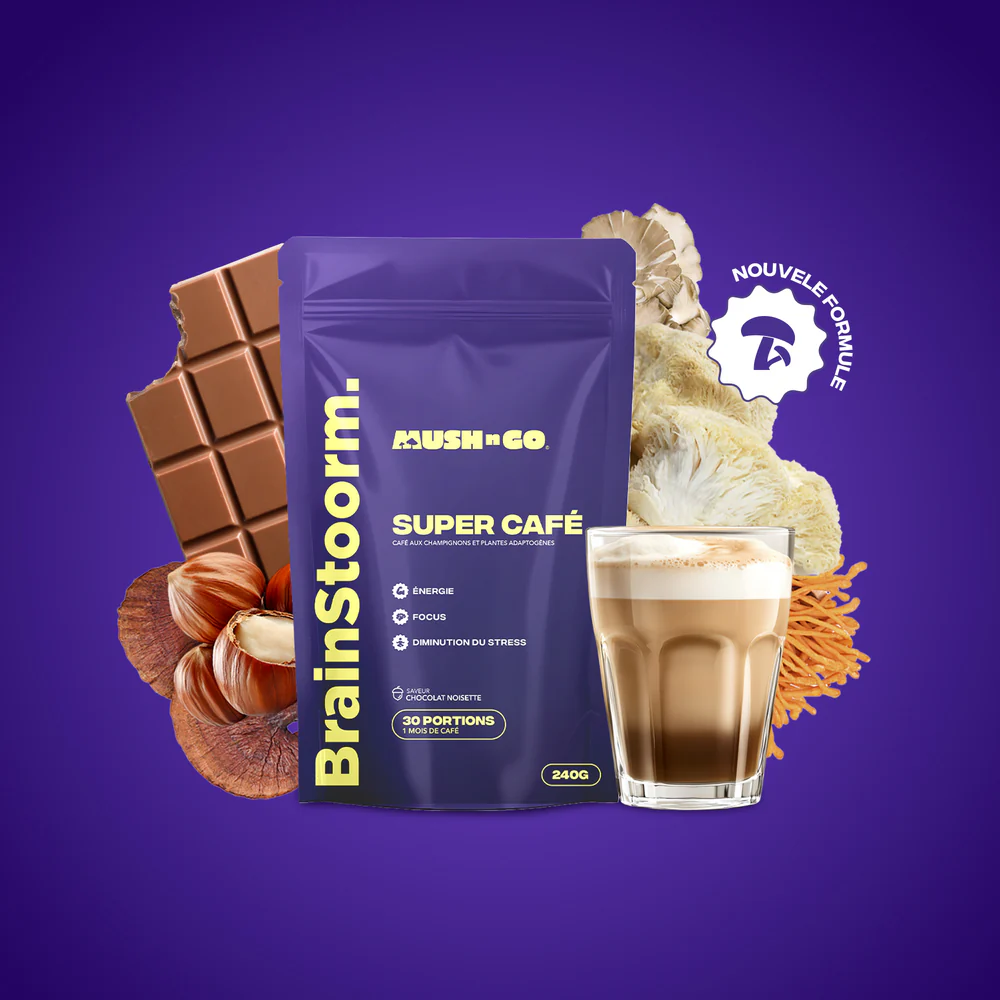
If you want to build adaptogens into your evening routine in a way you will realistically maintain, Vytalium deserves a close look. Its approach is different from standard capsules: warm functional drinks made with four adaptogenic mushrooms, Chaga, Cordyceps, Lion’s Mane and Reishi, formulated without caffeine, added sugar or gluten and suitable for vegan diets. Reishi is particularly relevant at night because it supports nervous-system relaxation and sleep quality without acting like a sedative hammer. A cup of Vytalium in the evening is both a calming ritual and a practical way to use adaptogens consistently. The products are made in Nice and packaged through an ESAT partnership, which adds a welcome ethical dimension to the brand.
Vytalium currently holds an 8.8/10 rating on our site, with a 60-day money-back guarantee. To explore the full range, visit vytalium.com and get 10% off your first order with code LMC10.
Effective sleep synergies
Once you know which ingredients match your profile, the next question is whether they can be combined. In many cases, yes, and well-designed pairings are often more effective than a single active used alone.
Valerian + passionflower: the relaxation duo
This is the most classic herbal sleep combination, and still one of the most convincing. Valerian reduces sleep latency, while passionflower targets anxiety and mental agitation. Together, they address the two biggest drivers of trouble falling asleep. Many products already combine them; your job is simply to check that the doses are therapeutic rather than symbolic.
Magnesium + glycine: physical relaxation
This pairing is particularly useful for people who carry stress in the body. Magnesium helps relax muscle tone and reduces neuromuscular excitability. Glycine supports the nighttime drop in core body temperature that helps trigger deeper sleep. For tense, wired profiles, this synergy is often more relevant than any hormone-based shortcut.
L-theanine + GABA: quieter mental activity
L-theanine promotes alpha-wave activity and a calm, focused mental state. GABA, the brain’s main inhibitory neurotransmitter, directly reduces neuronal overstimulation. Used together, they can create a smoother descent into sleep without the blunt next-day effect associated with stronger sedatives. This pair is especially relevant for anxious or hyper-connected users.
Ashwagandha + reishi: adaptogens for stressed sleepers
Ashwagandha helps lower evening cortisol, while reishi supports nervous-system regulation and deeper overnight recovery. Because they work through different but complementary mechanisms, they make sense for insomnia that is clearly linked to chronic stress, professional overload or burnout-style exhaustion.
How should you combine multiple actives?
The rule is simple: do not start everything at once. Begin with one or two ingredients for two to three weeks, observe the effect, then adjust. Interactions between sedative herbs and medication are real, especially with benzodiazepines, antidepressants or anticoagulants, so ask your doctor before stacking multiple actives if you are already on treatment. Outside those situations, the combinations above are generally well tolerated.

Sleep hygiene and bedtime routine
No supplement can fully compensate for poor sleep hygiene. Sleep products are support tools, not miracle fixes. If your bedroom is too warm, your phone is in your hand until lights out and dinner happens at 10:30 p.m., even the best formula will struggle. These behavioral levers still matter most.
A screen-free wind-down ritual
Blue light from screens can suppress natural melatonin production for hours. Ideally, reduce screen exposure 60 to 90 minutes before bed. If that is unrealistic, at least activate night mode, lower brightness aggressively and replace some of that time with lower-stimulation activities such as reading, breathing exercises, meditation or a caffeine-free hot drink.
Bedroom temperature and environment
The ideal sleep temperature is usually between 16 and 18 °C. Falling asleep is associated with a drop in core body temperature, so a cool room helps rather than hurts. Blackout curtains and noise reduction are also among the simplest evidence-based upgrades you can make.
Food timing and evening nutrition
Late dinners keep digestion active and the body in a more stimulated metabolic state. A good target is to finish your last meal two to three hours before bed. Avoid heavy high-fat meals and alcohol in the evening: alcohol may make you sleepy at first, but it fragments sleep and reduces REM quality. By contrast, foods rich in tryptophan can support the body’s natural serotonin and melatonin pathways.
Exercise and morning light exposure
Regular exercise improves sleep quality, but intense training too close to bedtime can raise cortisol and body temperature. Morning daylight exposure is one of the strongest signals for synchronizing the circadian clock. Ten to fifteen minutes of natural light soon after waking often does more for sleep than another capsule taken at night.
How to choose a serious sleep supplement
The sleep-supplement market is crowded with cheap capsules, overloaded formulas and vague marketing claims. Here is what separates a serious product from a decorative one.
Standardized active compounds
A label that says “200 mg valerian” means very little if the extract is not standardized. Look for disclosed active markers: valerian standardized for valerenic acids, KSM-66 or Sensoril for ashwagandha, Suntheanine® for L-theanine when possible. Standardization is what makes dosage meaningful.
The right dosage form
Vegetable capsules are often preferable to gelatin capsules for tolerance and ethical reasons. Tablets may contain more excipients. Powders and functional drinks can work well for people who dislike swallowing capsules. If you prefer chewable formats, take a look at our comparison of the best supplement gummies.
No dependence risk
The ingredients covered in this article can generally be used over longer periods without the dependence profile associated with hypnotic drugs. That is one of their biggest strengths. Short breaks still make sense from time to time with valerian or ashwagandha, especially during longer protocols.
Quality certifications
Look for signs of manufacturing seriousness: ISO 22000, GMP standards, European production and traceability of raw materials. Transparent brands can usually provide technical sheets or certificates of analysis on request. If they cannot, that tells you something.
Compatibility with medication
If you already take antidepressants, benzodiazepines, anticoagulants, immunosuppressants or thyroid medication, speak to a healthcare professional before adding sedative herbs or adaptogens. Valerian may potentiate benzodiazepines, and ashwagandha may interact with thyroid treatment. That does not automatically rule them out, but it does make informed use essential.
Common questions about sleep supplements without melatonin
How long before bed should I take them?
It depends on the ingredient. Valerian and passionflower usually work best 30 to 45 minutes before bed. L-theanine can be taken 60 to 90 minutes beforehand. Magnesium is often easiest to tolerate with the evening meal. Ashwagandha works more as a cumulative stress-support ingredient, so its sleep benefits build over several weeks rather than after one dose.
Are they as effective as melatonin?
Melatonin acts quickly and can be highly relevant for jet lag or circadian-rhythm issues. For everyday insomnia linked to stress, anxiety, tension or an overactive mind, natural alternatives are often better long-term options because they target the causes rather than just the signal. Melatonin can trigger sleep. These ingredients help create the conditions for natural sleep to return.
Can I take them for a long time?
In many cases, yes. Magnesium and L-theanine can often be used continuously. Valerian and ashwagandha are usually better used in four- to eight-week blocks with occasional breaks. Passionflower and lemon balm are generally well tolerated over longer periods. None of these ingredients has the classic dependence pattern associated with sleeping pills.
Do they have side effects?
At appropriate doses, they are generally well tolerated. Valerian can cause vivid dreams in some users and, more rarely, mild morning drowsiness. High doses of magnesium may loosen stools, which is one reason bisglycinate is often preferred over citrate or oxide. Ashwagandha is not a good fit for some autoimmune profiles or for people using thyroid hormone medication. When in doubt, start low and build gradually.
Can I combine them with other supplements?
Usually yes, with some caution. The synergies described above : valerian + passionflower, magnesium + glycine, L-theanine + GABA, ashwagandha + reishi, are coherent and commonly used. Avoid stacking multiple sedative compounds if you need to drive or operate machinery, and do not combine them with medication without medical guidance. If you are refining a broader supplement routine, you can also read our guide to marine collagen: powder vs capsules.
Conclusion
Melatonin is neither essential nor universally appropriate for better sleep. For the most common sleep complaints : trouble falling asleep, nighttime waking and non-restorative sleep linked to stress, there are serious natural alternatives with a stronger long-term logic and no hormone dependency.
If your biggest issue is a racing mind at bedtime, start with a L-theanine + passionflower approach. If nighttime waking comes with physical tension or cramps, magnesium bisglycinate + glycine is often the smarter foundation. If chronic stress is the real problem, an ashwagandha KSM-66 protocol combined with an evening reishi ritual, such as a Vytalium adaptogenic drink, often makes more sense than forcing sleep with a hormonal shortcut. The goal is not to knock yourself out. It is to rebuild the conditions in which sleep happens naturally.

LMC’s editorial line is built around transparency and reliability. Our content is written to help users make better decisions, based on 7 key criteria* that support trustworthy information, verified promo codes, and useful reviews.
To support LMC, some links are affiliate links. Our recommendations remain independent and based on transparent, verifiable criteria. By using the site, you accept our terms of use and our editorial policy.


.webp)

.avif)