




Not every Shilajit format serves the same kind of user
Many buyers assume Shilajit resin, powder, capsules, and tablets are basically interchangeable. Same ingredient, same effect, same outcome. In practice, format changes the entire user experience.
Shilajit Primal tablets are designed for simplicity. They give you a measured format, zero preparation, and a cleaner daily ritual for people who want consistency without dealing with sticky resin, hot water, or improvised dosing. For some buyers, that is exactly the point.
But convenience also removes part of what long-time Shilajit users value most: the tactile relationship with the raw material, the ability to adjust the dose more intuitively, and the ritual of dissolving resin yourself. For them, tablets can feel efficient but less authentic.
This is why the real question is not whether Shilajit Primal tablets are good or bad. The question is whether they match your priorities. If you want maximum practicality, they make sense. If you want a more traditional, sensory, and customizable experience, another format may suit you better.
Why some buyers actively prefer tablets
Tablets work well for frequent travelers, busy professionals, and anyone who wants a supplement routine that feels quick and predictable. They are also helpful for beginners who feel intimidated by resin texture, strong aroma, or the uncertainty of self-measured portions.
In other words, this format is ideal for people who want Shilajit to fit into their schedule with minimal friction. That strength should not be underestimated. For many modern users, ease of adherence matters as much as ingredient philosophy.
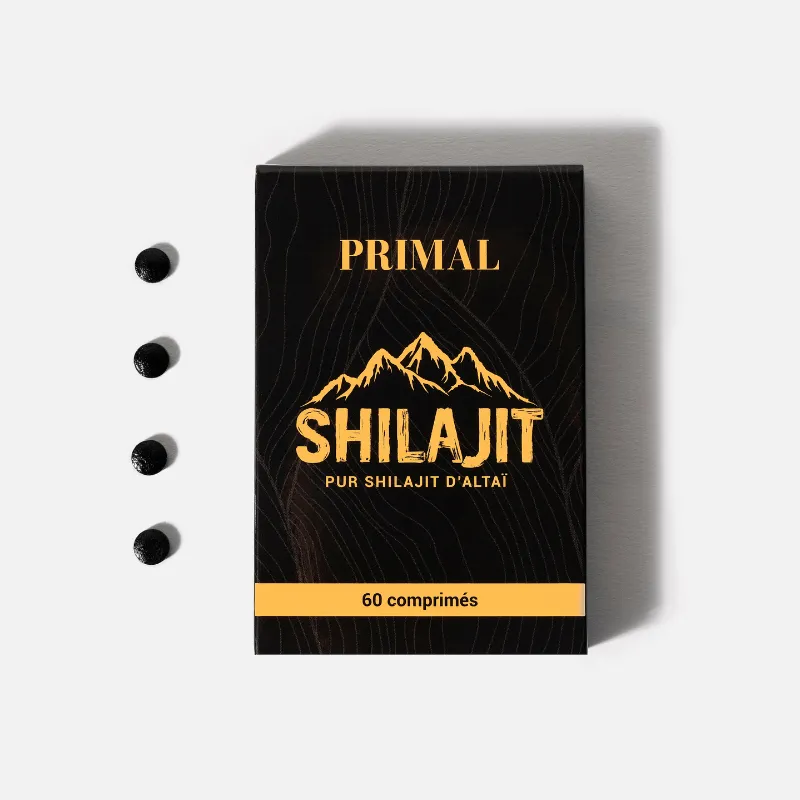

Who Shilajit Primal tablets may not be right for
1. Buyers who want the full resin ritual
If the ceremony matters to you, tablets may feel too sanitized. Some users genuinely value the act of dissolving resin in warm water, observing the texture, and engaging with the raw material directly. Tablets remove that experience almost entirely.
2. People who want very flexible dosing
Tablets are convenient because they standardize intake, but that same standardization can be limiting. If you prefer to fine-tune your amount day by day, resin usually offers more freedom.
3. Users who equate minimal processing with authenticity
Some buyers are specifically looking for the least transformed format possible. For that profile, a compressed tablet may feel one step too far from the traditional product, even if the ingredient quality itself remains solid.
4. Anyone who should review contraindications before buying
As with any potent supplement, some people should not purchase impulsively. If you have a medical condition, take medication, are pregnant, or simply want a more personalized opinion, it makes sense to review the product with a qualified health professional before adding it to your routine.
Bottom line
Shilajit Primal tablets are not a bad format. They are a modern format. That makes them excellent for convenience-first users and less convincing for ritual-first, customization-first, or minimally processed product seekers. The right choice depends on the kind of Shilajit experience you actually want.
How to judge a shilajit product safely
Shilajit is a category where transparency is essential. Before buying, check the origin, purification process, third-party analysis and heavy metal testing. A product can be presented as traditional or premium, but without clear documents it is difficult to evaluate its real quality. This is especially important because shilajit is a natural resin and can vary strongly from one source to another.
The format also matters. Resin is closer to the traditional use, but it requires more handling and has a strong taste. Capsules are easier to take but depend heavily on the extract quality and the dose. Gummies are convenient but can dilute the active quantity with sweeteners or flavouring. None of these formats is automatically better: the right choice depends on transparency and daily practicality.
LMC quality checklist
- Lab tests: heavy metals and microbiological controls should be available.
- Origin: the sourcing area should be clearly stated.
- Format: resin, capsules or gummies should match your tolerance and routine.
- Claims: avoid brands promising guaranteed results or instant effects.
For LMC, a credible shilajit product is not the one with the strongest marketing story. It is the one with clear testing, transparent sourcing and realistic guidance.

LMC’s editorial line is built around transparency and reliability. Our content is written to help users make better decisions, based on 7 key criteria* that support trustworthy information, verified promo codes, and useful reviews.
To support LMC, some links are affiliate links. Our recommendations remain independent and based on transparent, verifiable criteria. By using the site, you accept our terms of use and our editorial policy.



.webp)

.avif)