



Since 2024, sugar-free electrolyte drinks have been everywhere: on Instagram, in gyms and all over Amazon. Every brand promises superior hydration, faster recovery and better energy. But once you look past the bright packaging and aggressive claims, what's actually supported by evidence? And who really benefits from these formulas?
That is the question most buyers should ask before spending money. And it is exactly what this guide answers: we review the scientific evidence, identify the legitimate use cases and tell you plainly when you are looking at real performance value versus classic nutrition marketing.
Spoiler: both exist. And the difference usually comes down to three variables: the product’s formulation, the user profile and the context in which it is used.
💧 What is a sugar-free electrolyte drink, exactly?
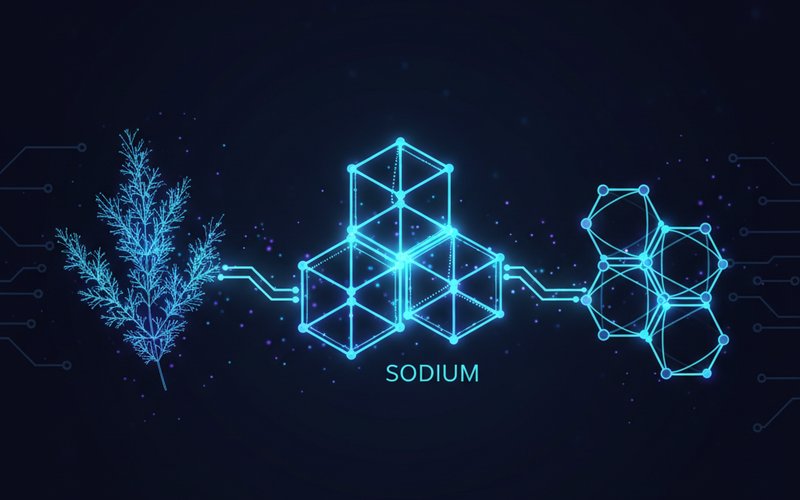
An electrolyte drink is a mineral-based solution designed to replace the ions lost through sweating, dehydration or prolonged physical effort. It usually contains sodium, potassium, magnesium and sometimes calcium. The sugar-free version removes the glucose found in conventional sports drinks and either replaces it with another delivery strategy or leaves it out entirely.
These electrolytes are not optional. They are essential minerals involved in cellular fluid balance, muscle contraction, nerve signaling and blood osmotic pressure. Without them, water alone only partially restores hydration: you drink, but your cells do not reabsorb fluid as efficiently.
Sodium is the key player. Depending on heat, intensity and sweat rate, you can lose roughly 300 to 700 mg per hour through perspiration. Potassium also matters for muscle contraction and cramp prevention. Magnesium supports more than 300 enzymatic reactions, including ATP production. Calcium, meanwhile, is directly involved in the muscle-contraction cascade.
So what separates a sugar-free electrolyte drink from a classic sports drink like Gatorade or Powerade? Traditional options often contain 30 to 60 g of sugar per bottle. That can make sense when glycogen is running low during long endurance efforts, but for most day-to-day situations it is either unnecessary or counterproductive.
If you want a broader overview of the formats available, explore our selection of electrolyte and hydration drinks.
.avif)

🔬 Electrolyte drink vs water vs isotonic drink: the comparison that actually matters
Before talking about effectiveness, it helps to establish the basics. Not all drinks are interchangeable. Understanding the differences can save you from under-fueling with plain water during a 3-hour trail run, or overpaying for a sugary isotonic bottle after a 45-minute walk.
Plain water: perfect for efforts lasting under 60 minutes at moderate intensity in mild conditions. It rehydrates, but it does not replace the minerals lost through sweat. In large volumes and without sodium, it may even contribute to hyponatremia, an excessive dilution of blood sodium, which becomes especially dangerous during very long events.
Sugary isotonic drinks (Gatorade, Powerade, standard sports drinks): these provide sodium, potassium and 30 to 60 g of sugar per bottle. They can be useful once effort extends beyond roughly 90 minutes and glycogen stores start dropping. The issue is that the sugar is unnecessary for most use cases, and many formulas also come loaded with colorants and synthetic sweeteners.
Sugar-free electrolyte drinks: all the minerals, without the calories. They can rehydrate effectively, restore electrolyte balance and suit both athletes and people following low-carb or ketogenic diets. Their main limitation is equally clear: they do not provide carbohydrate energy for very long efforts, so they are not enough on their own for a marathon or an ultratrail unless you also add solid or gel-based fueling.
The bottom line: for efforts lasting roughly 60 to 180 minutes, a sugar-free electrolyte drink is often the smartest compromise. Beyond 3 hours at sustained intensity, combine it with carbohydrates. Under 60 minutes, water is usually enough.
🔬 What the science really says about effectiveness
This is where opinions split. Brands cite studies. Skeptics call it marketing. The truth is more nuanced.
When the benefits are real: validated use cases
The scientific literature is clear on one point: electrolyte drinks deliver measurable benefits in specific contexts.
A meta-analysis published on PMC (Millard-Stafford et al., 2021), reviewing 34 studies, concluded that a fluid loss of 4 to 7% of body weight significantly reduces aerobic performance. Electrolyte intake, especially sodium, helps limit that decline and improves post-exercise fluid retention compared with water alone.
Another study (PMC7600513) comparing oral rehydration strategies found that solutions with appropriately dosed sodium and potassium achieved a positive net fluid balance of 141 ml over 4 hours, whereas plain water resulted in a negative balance.
Scientifically supported use cases include:
- Physical effort lasting more than 60 to 90 minutes in normal conditions
- Intense activity in the heat with heavy sweating (>700 mg sodium/hour)
- Endurance sports such as trail running, cycling, marathon and triathlon
- Clinical-style dehydration from gastroenteritis, diarrhea or vomiting
- Ketogenic and low-carb diets, which reduce renal sodium retention
The American College of Sports Medicine recommends around 460 to 690 mg of sodium per liter of beverage for prolonged exercise. That remains the professional benchmark in sports nutrition.
When it becomes marketing: overstated scenarios
Let’s be honest: brands often stretch the target audience well beyond the situations that are actually supported by evidence.
A 30-minute jog in mild weather? Water is more than enough. A sedentary office day? A balanced diet generally covers your electrolyte needs. Claims such as “7x better hydration” or “maximum energy” are rarely backed by strong independent data.
INSERM has also published a nuanced position on the topic: electrolyte drinks offer real but limited benefits when losses are significant, not for standard daily hydration.
The real issue is not that the product does nothing. It is that many people use it in contexts where the incremental benefit is minimal. Marketers capitalize on the blur between “useful for endurance” and “useful for everyone.” The segment has grown by roughly 5.6% per year since 2022, driven as much by wellness culture as by genuine physiological need.
How do you spot overhyped marketing? Look for claims without cited studies, dramatic hydration percentages, before-and-after promises without a protocol, and elite-athlete testimonials used as if they reflected everyday needs. What truly matters is composition and dosing, not the packaging.
The overlooked benefits beyond sport
There are also legitimate use cases that brands rarely emphasize because they are less glamorous from a marketing standpoint.
- Heat waves and extreme temperatures: passive sweating can become significant even without formal exercise, especially in people who do not naturally drink enough
- Older adults: chronic dehydration is often underestimated in seniors. Thirst perception declines with age, and electrolytes can help maintain a healthier fluid balance even without structured training
- Ketogenic diets: the body excretes more sodium during the first weeks of keto or low-carb eating because lower insulin reduces renal sodium retention. The classic “keto flu” (fatigue, headaches, cramps) is often an electrolyte issue rather than a ketosis issue
- After gastroenteritis: replacing losses from vomiting or diarrhea is a legitimate use case validated by WHO-style oral rehydration solutions. A quality electrolyte formula serves the same basic function
- Air travel: cabin air is extremely dry (around 10 to 15% relative humidity), which can meaningfully worsen dehydration on long-haul flights. One serving of a sugar-free electrolyte drink often restores fluid balance more effectively than the plain water handed out onboard
These lower-profile use cases are often among the most relevant for active adults in real life.
⚠️ How to choose a genuinely good sugar-free electrolyte drink
Formula quality varies enormously. Some brands market a product as “electrolytes” with barely 80 mg of sodium and a token amount of potassium. Others offer complete formulas with bioavailable mineral forms and clinically relevant doses. Here is how to separate them.
The formulation that actually matters
Minimum useful doses per serving (roughly 500 ml):
- Sodium: 300 to 700 mg per serving (the most important mineral for fluid absorption)
- Potassium: 150 to 300 mg per serving (cramp prevention, intracellular hydration)
- Magnesium: 50 to 150 mg per serving (ATP synthesis, neuromuscular function)
- Calcium: optional, but relevant for long-duration muscular work
Bioavailable forms also make a real difference. Glycinates, citrates and malates are generally preferable to simple chlorides, which tend to be less comfortable on digestion at higher doses.
What to avoid completely
“Sugar-free” is not automatically a quality marker. Some formulas compensate with questionable additives:
- Sucralose and acesulfame K: recent data suggests a potentially negative impact on the gut microbiome when used regularly
- Aspartame: classified as “possibly carcinogenic” by the IARC since 2023, which makes it a poor choice for habitual daily use
- Artificial colorants such as E102 (tartrazine) and E133 (brilliant blue): unnecessary and harder to justify in premium formulas
Also be cautious with products listing only two or three minerals in symbolic amounts. A serious electrolyte drink should provide at least a meaningful share of daily sodium and potassium needs per serving.
Format: powder, effervescent tablets or sticks?
- Powder sachets: best for flexible dosing, often the most complete formulas, ideal when you want to adjust concentration based on training load
- Effervescent tablets: practical for travel, but often include sweeteners and excess sodium bicarbonate
- Single-serve sticks: convenient and portable, though less adaptable because the dose is fixed
For regular athletic use, powder usually offers the best balance of quality, flexibility and dosing accuracy. For occasional travel, sticks can be enough.
🤝 Our recommendation: Haura
Among the products reviewed in our full Haura review, Fusion Biomimétique V2 clearly stands out in the premium sugar-free electrolyte category.
The Haura formula combines 34 active ingredients: 18 vitamins in bioactive forms (methylcobalamin, methylfolate, tocotrienols) and 12 minerals in chelated forms. It is positioned as an all-in-one hydration and micronutrition formula, designed to replace both a standard electrolyte drink and a separate multivitamin for active people. The Swiss brand is ISO 22000 certified, sugar-free, vegan and free from synthetic sweeteners.
Our LMC score: 8.4/10. Why it stands out:
- Bioactive nutrient forms throughout the formula (no cheap oxide or low-grade chloride forms)
- Sodium, potassium and magnesium dosed within ACSM-style recommended ranges
- Zero sugar, zero sucralose, zero artificial colorants
- Verifiable ISO 22000 certification
Retail price: €39. With code CLUBLIONS (-15%), the price drops to around €33, making it one of the strongest quality-to-price ratios in the premium segment.
Discover Haura Fusion Biomimétique V2 →
If you want a more accessible option or a formula geared more specifically toward sports recovery, take a look at Granions HydrOP electrolytes, a reliable pharmaceutical-grade reference.
📌 How to use your electrolyte drink for maximum benefit
Best timing by use case
Timing makes a major difference to perceived effectiveness:
- Before exercise (around 30 minutes prior): supports cellular hydration and reduces early dehydration risk
- During exercise (every 45 to 60 minutes if effort lasts more than 90 minutes): helps maintain plasma osmolarity and reduce cramp risk
- After exercise (within the 30- to 60-minute recovery window): supports rehydration and muscular recovery
- Non-sport daily use: in the morning or mid-morning, especially during hot weather or the first weeks of a ketogenic diet
Dosing and dilution: the most common mistakes
Osmolarity is a crucial factor people often ignore. A drink that is too concentrated slows intestinal absorption because of a hyperosmotic effect. A drink that is too diluted loses much of its advantage over plain water.
The sweet spot is an isotonic osmolarity of roughly 270 to 300 mOsm/L, which the better formulas are designed to hit when mixed as directed. Do not double the dose hoping for better performance, you are more likely to get the opposite result.
If your effort lasts more than 90 minutes, combine your electrolyte drink with a carbohydrate source such as a gel, banana or sports bar. Electrolytes alone do not cover the energy demands of very long sessions.
Another common mistake is drinking it ice-cold (below 10°C) during exercise in cold weather. Gastric emptying slows at low temperatures, which can reduce absorption. The more effective range is around 15 to 20°C.
Finally, do not wait until you feel thirsty. Thirst is already a late-stage signal of dehydration. By then, you may already have lost 1 to 2% of body weight in water, more than enough to impair concentration and physical output. Drink proactively, not reactively.
Common questions about sugar-free electrolyte drinks
Are sugar-free electrolyte drinks effective?
Yes, in the right contexts. For efforts lasting more than 60 to 90 minutes, during hot weather or when sweat losses are high, the evidence is solid. For light daily hydration or a 30-minute jog, water is enough. Effectiveness also depends on formula quality: a drink with token sodium will not perform like a properly dosed product.
How to choose the best sugar-free electrolyte drink in France?
Based on our analysis, Haura Fusion Biomimétique V2 stands out in the premium segment (34 actives, ISO 22000 certification, 8.4/10 LMC score). For endurance athletes seeking a more cramp-focused formula, Hydratis is a credible alternative. For pharmaceutical-grade quality at a more accessible price, Granions HydrOP remains a dependable option.
When should you drink an electrolyte beverage?
Before and during prolonged exercise, during intense heat, after gastroenteritis with fluid loss, and during the first weeks of a ketogenic diet. The simple rule: as soon as you are sweating heavily or not getting enough sodium through food, electrolyte support becomes much more relevant.
Do sugar-free electrolyte drinks help you lose weight?
No. That is a common confusion amplified by marketing. Electrolytes manage cellular hydration, not fat metabolism. A sugar-free drink adds no calories, but it does not trigger lipolysis. If fat loss is your goal, focus on total calorie balance, not electrolyte branding.
Are electrolyte drinks dangerous?
The risks are real but limited. Hyponatremia, too much water without enough sodium, is the main danger for endurance athletes who drink large amounts of plain water, and electrolytes help prevent it. On the other side, excessive sodium intake can promote water retention, though that is rare with well-formulated products. The bigger concern is poor-quality formulas loaded with questionable additives.
What is the difference between an electrolyte drink and an energy drink?
Electrolyte drinks provide minerals and support hydration. Energy drinks rely on caffeine, taurine and sugar to stimulate the central nervous system. They are completely different product categories. Haura, for example, contains neither caffeine nor taurine: its role is hydro-electrolytic and micronutritional, not stimulant-based.
Can you make your own homemade electrolyte drink?
Yes, within limits. A basic version is 500 ml of water, a pinch of unrefined sea salt (roughly 300 to 400 mg sodium), the juice of half a lemon and optionally a teaspoon of honey for prolonged effort. It works, but it is imprecise: it is hard to replicate the sodium, potassium and magnesium ratios of a properly designed formula.
Is Haura a good electrolyte drink?
Based on our analysis, yes. Haura Fusion Biomimétique V2 earns a strong 8.4/10 in our LMC ranking. The 34-active formula, bioactive nutrient forms, ISO 22000 certification and total absence of synthetic sweeteners make it a serious option for regular athletes seeking an all-in-one hydration product. The price (€39, or €33 with code CLUBLIONS) is justified by the formula density.
Conclusion
Here is the honest verdict: sugar-free electrolyte drinks are effective when the context is right and the formula is genuinely well built. They become marketing hype when used as a glorified replacement for a glass of water after an easy walk.
The line between the two comes down to three things: product composition (real doses, bioavailable forms), usage context (prolonged effort, heat, specific deficiency risk) and brand quality (transparency, certification, absence of unnecessary additives). Choose those three well, and you avoid most disappointments.
For readers who want a validated reference, Haura Fusion Biomimétique V2 with code CLUBLIONS remains our top recommendation in this segment for 2026.

Scientific references
- Millard-Stafford M. et al. (2021). “Hydration and Physical Performance.” PMC8001428 - National Library of Medicine
- James L.J. et al. (2020). “Oral Rehydration Solutions and Exercise Recovery.” PMC7600513 - National Library of Medicine

LMC’s editorial line is built around transparency and reliability. Our content is written to help users make better decisions, based on 7 key criteria* that support trustworthy information, verified promo codes, and useful reviews.
To support LMC, some links are affiliate links. Our recommendations remain independent and based on transparent, verifiable criteria. By using the site, you accept our terms of use and our editorial policy.




.webp)

.avif)