




Spirulina remains one of the most searched-for food supplements in 2026, and for good reason. This blue-green microalgae combines an exceptional nutrient density with a body of research that has made it a staple for people looking to support energy, iron intake, recovery, and general vitality.
See Spiruline en Comprimés Bio - Etika Spirulina →
Its appeal comes from a rare combination: high-quality protein, naturally occurring iron, carotenoids, and antioxidant pigments such as phycocyanin. For people dealing with demanding training blocks, low energy, or periods of nutritional imbalance, spirulina is often used as a practical daily support rather than a miracle cure.
What are the main proven benefits of spirulina?
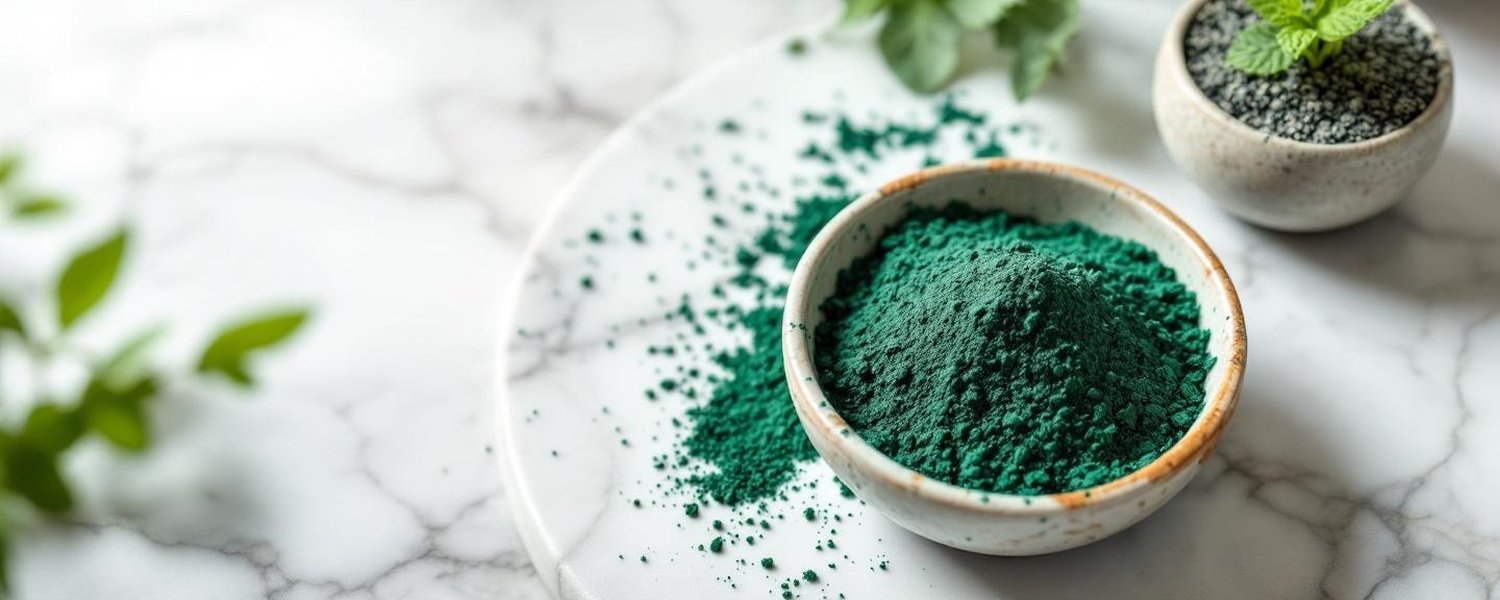
The strongest interest around spirulina usually centers on four areas: helping cover nutritional gaps, supporting physical recovery, contributing to normal immune function, and providing antioxidant protection. It is especially relevant when the diet is low in iron-rich foods or when fatigue is linked to intense activity.
- Energy support: spirulina is often used in routines designed to reduce feelings of fatigue when the overall diet is lacking in key micronutrients.
- Iron intake: its natural iron content explains why it is popular among women, endurance athletes, and people following plant-forward diets.
- Recovery and performance: because it supplies protein and antioxidant compounds, spirulina is commonly integrated into sports routines.
- Daily resilience: its broad nutritional profile makes it attractive during stressful periods, seasonal changes, or demanding work cycles.
That said, results depend on product quality, dosing consistency, and the context in which spirulina is used. A serious supplement can help round out a routine, but it does not replace medical care or a balanced diet.


How much spirulina should you take?
Dosage depends on your objective, digestive tolerance, and the format you choose. Most people do well by starting low and increasing gradually over several days.
- General wellness: 1 to 3 g per day is a sensible entry point.
- Periods of fatigue or intensive training: 3 to 5 g per day is common.
- Higher protocols: some brands suggest up to 6 or 8 g, but only when tolerance is good and the product quality is excellent.
Powder is convenient in smoothies or yogurt, while tablets are easier for travel or precise dosing. The best timing is usually with breakfast or lunch, especially for beginners. Taking too much too quickly can cause mild digestive discomfort.
Blue spirulina, green spirulina, organic spirulina: what's the difference?
Blue spirulina usually refers to a concentrated extract rich in phycocyanin, the pigment most associated with antioxidant interest. It is used more for functional drinks and targeted formulas than for whole-food nutrition.
Green spirulina is the whole microalgae in powder, flakes, or tablets. It delivers the broadest nutritional profile and is the form most often used for everyday supplementation.
Organic spirulina speaks to farming standards and traceability. In practice, the priority is always the same: transparent origin, contaminant testing, and a clean manufacturing process.
How to choose a high-quality spirulina supplement
Premium spirulina should disclose where it is grown, how it is dried, and how it is tested. Look for independent checks on heavy metals and microbiological safety, because product quality matters as much as dosage.
- Prefer brands with clear sourcing and batch testing.
- Check the ingredient list: pure spirulina should stay simple.
- Choose a format you can take consistently every day.
Who should be cautious?
People with specific medical conditions, those taking anticoagulant medication, or anyone with iron-management issues should ask a healthcare professional before supplementing. The same applies during pregnancy, breastfeeding, or when combining several high-dose supplements.

In short, spirulina can be a strong all-round supplement when the goal is to support energy, micronutrient intake, and recovery. The best results come from a clean product, an appropriate dosage, and regular use over time.

LMC’s editorial line is built around transparency and reliability. Our content is written to help users make better decisions, based on 7 key criteria* that support trustworthy information, verified promo codes, and useful reviews.
To support LMC, some links are affiliate links. Our recommendations remain independent and based on transparent, verifiable criteria. By using the site, you accept our terms of use and our editorial policy.


.webp)

.avif)