



Natural shilajit: origin, composition, and why lifters care about it
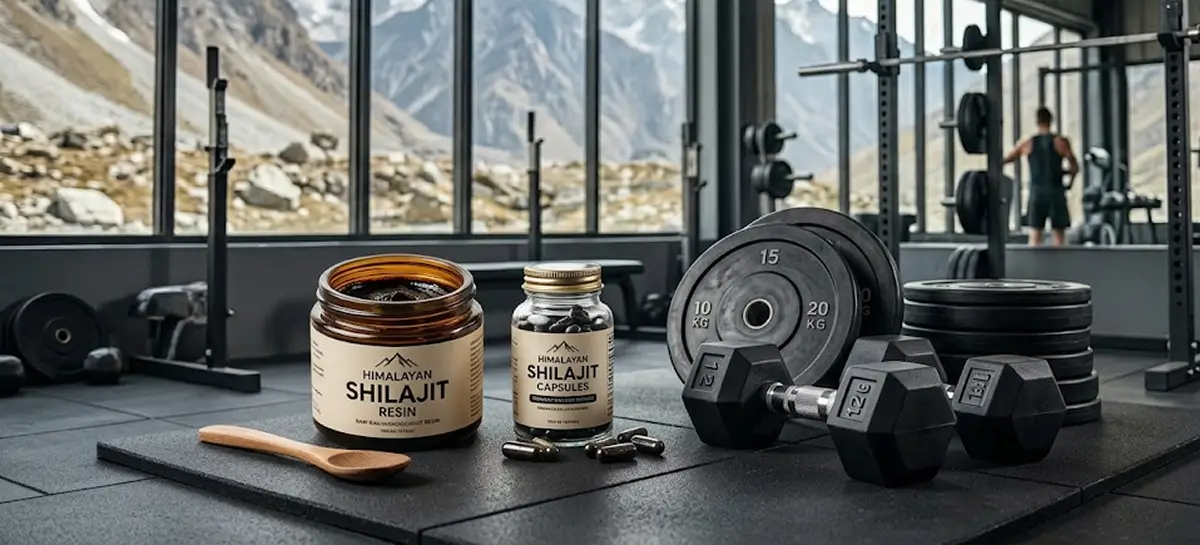
Natural shilajit is not a synthetic gym supplement made in a lab. It is a dark mineral resin formed over millions of years from decomposed plant matter trapped in Himalayan rock. Heat, pressure, and time create a dense complex of bioactive compounds that stands apart from most adaptogens used in sport nutrition.
Its profile is what makes it relevant for athletes:
- Fulvic acid is typically the main active fraction and plays a central role in nutrient transport and cellular energy production.
- Humic substances contribute antioxidant support and help limit some of the inflammatory stress associated with hard training.
- Dibenzo-alpha-pyrones are linked to mitochondrial function and ATP production.
- It naturally provides a broad spectrum of ionic trace minerals including magnesium, zinc, iron, potassium, selenium, and copper.
In practice, this matters because a hard-training athlete is not just chasing stimulation. The goal is to sustain output, recover well, and keep cellular energy production efficient as training volume rises. A properly purified shilajit resin with a strong fulvic acid standardization is usually the most credible form. Capsules can still be useful, but only when the manufacturer clearly states the active content and purification process.
Its mountain origin also explains an important quality rule: raw shilajit should never be consumed unpurified. Himalayan mineral deposits can naturally contain contaminants, so purification and third-party testing are non-negotiable.
ATP and mitochondria: the core mechanism behind performance support
The best way to understand shilajit in a strength-training context is to start with ATP. Every heavy set, explosive rep, and post-workout recovery process depends on adenosine triphosphate, the cell's usable energy currency. Mitochondria are the structures that keep ATP production running, and fulvic compounds appear to support that process.
That does not make shilajit a magic pre-workout. What it may do is improve the efficiency of the system behind training performance: better nutrient handling, steadier cellular energy, and a more resilient response to accumulated fatigue. For natural lifters, that matters because long-term progress depends on repeatable training quality, not on a short-lived stimulant spike.
In real-world terms, the appeal of shilajit is simple: better training readiness, better resistance to exhaustion, and better recovery conditions between sessions. Those are indirect but meaningful advantages when the objective is to train hard, recover hard, and keep progressing over months rather than days.

Shilajit and muscle strength: what the clinical data actually suggests
The current clinical literature on shilajit for bodybuilding points in a consistent direction: its main value is not instant muscle gain, but better preservation of performance under fatigue and better support for recovery. In the study most often cited, athletes taking 500 mg per day for 8 weeks showed a noticeably smaller drop in force output after exhaustive effort than the placebo group.
That kind of result makes physiological sense. Shilajit may help through several complementary pathways:
- more efficient muscle fiber recruitment during demanding contractions,
- less oxidative stress after hard sessions,
- better regulation of the stress response, especially when training load climbs,
- and support for connective tissue integrity through a more favorable recovery environment.
It is important to state this clearly: shilajit does not build muscle on its own. Progressive overload, adequate protein intake, sufficient calories, and sleep remain the foundation of hypertrophy. What shilajit can do is improve the biological context in which that training happens.
Hormonal support and testosterone: useful, but not a miracle
Shilajit is often discussed for its possible effect on testosterone in men. Some human data suggests that standardized, purified shilajit may support total and free testosterone in certain contexts. That does not mean it acts like a hormonal shortcut, and it should not be marketed that way. The practical takeaway is more modest: some male athletes may benefit from improved hormonal resilience when overall recovery, stress control, and micronutrient status improve.
For lifters, that matters mainly during demanding phases: high training frequency, calorie deficits, or periods of poor recovery. Even then, the effect is supportive rather than transformative.
Recovery, inflammation, and oxidative stress
One of the most useful aspects of shilajit for strength athletes is its potential influence on recovery quality. Heavy resistance training creates micro-damage, oxidative stress, and inflammatory signaling. That process is normal, but when recovery resources are insufficient, performance stagnates and aches accumulate.
Because shilajit contains fulvic and humic compounds with antioxidant activity, it may help reduce some of the collateral stress generated by intense training. For athletes training naturally, that can mean a better chance of maintaining session quality across the week, especially when squats, pulls, presses, and accessory work are all competing for recovery capacity.
Can shilajit help body composition?
Indirectly, yes. A supplement that supports energy production, training consistency, and recovery may help an athlete preserve or improve lean mass over time. It can also make cutting phases easier to manage when fatigue, irritability, and low output normally drag performance down. But again, the real driver of body composition remains the combination of programming, nutrition, and adherence.
Practical dosage for bodybuilding
The most commonly used evidence-based range is 250 to 500 mg per day of purified shilajit extract, often standardized for fulvic acid content. Many athletes split the dose into morning and early afternoon servings to avoid taking it too late in the day.
- Use shilajit daily rather than only before workouts.
- Run it for at least 6 to 8 weeks before judging the result.
- Pair it with protein sufficiency, hydration, and sleep if you want the benefits to be visible.
How to choose a quality shilajit product
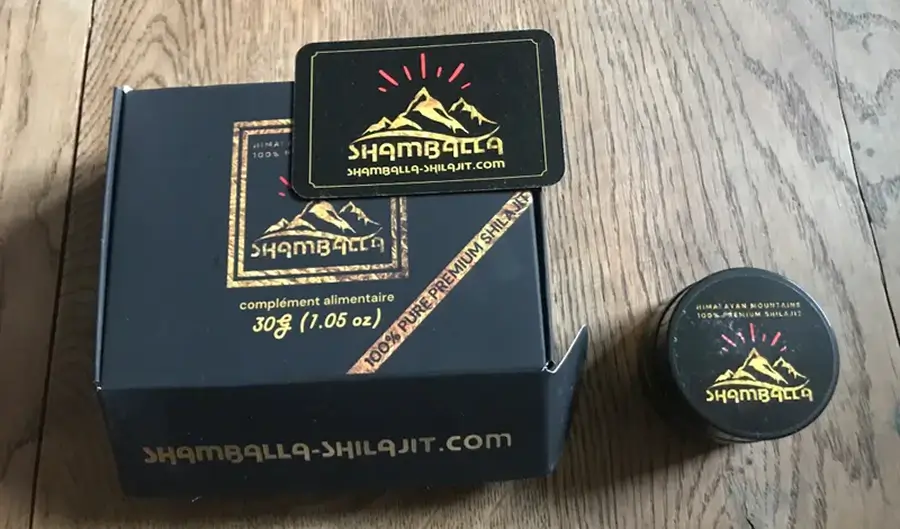
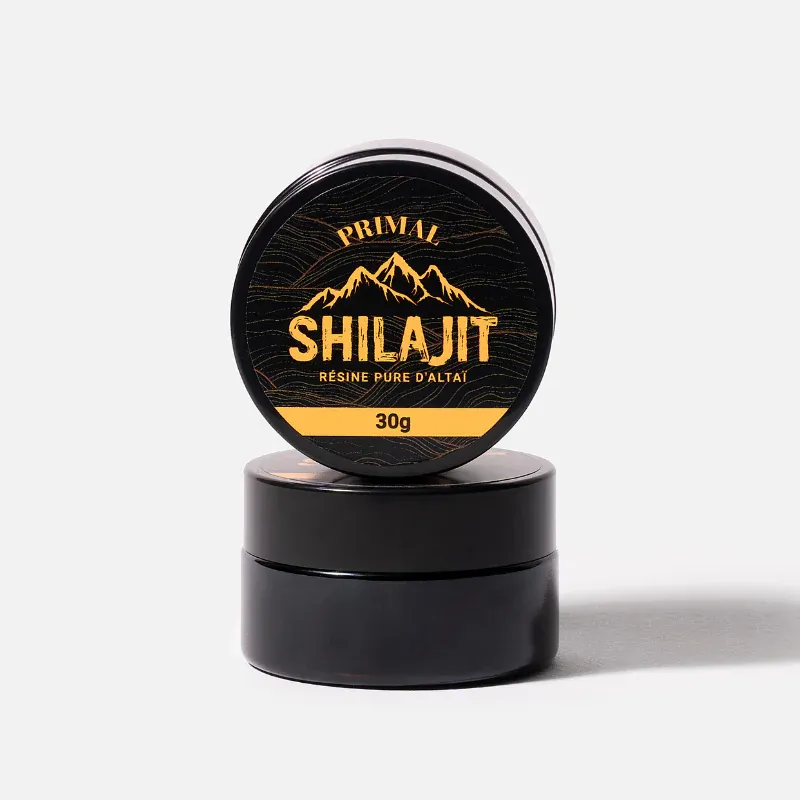
The market is crowded with low-grade products, so quality control matters more than hype. Prioritize a product that is purified, standardized for fulvic acid, and tested for heavy metals. A premium resin or a well-made extract can both work; what matters is transparency, not format alone.
Shilajit vs creatine: complementary, not competing
Creatine and shilajit do not do the same job. Creatine improves phosphocreatine availability and high-intensity output. Shilajit is better understood as a broader support for mitochondrial efficiency, resilience, and recovery. That is why many athletes use them together rather than choosing one over the other.
Conclusion
For bodybuilding, shilajit is best viewed as a recovery-and-resilience supplement, not as a direct muscle-building shortcut. Its strongest use case is for natural athletes who want better training readiness, better fatigue management, and a more robust recovery environment. Used with realistic expectations and a high-quality product, it can be a valuable support tool inside a serious strength program.

LMC’s editorial line is built around transparency and reliability. Our content is written to help users make better decisions, based on 7 key criteria* that support trustworthy information, verified promo codes, and useful reviews.
To support LMC, some links are affiliate links. Our recommendations remain independent and based on transparent, verifiable criteria. By using the site, you accept our terms of use and our editorial policy.



.webp)

.avif)