




You've tried herbal teas, sleep masks and melatonin, yet your nights still feel broken. Reishi is not a sedative. It is an adaptogenic mushroom that works further upstream by helping the body regulate stress. Below, you'll find what the science actually suggests, where the evidence is still thin, and what a 4-week real-world test looked like in practice.
Reishi is now one of the most talked-about options in the wider world of sleep and relaxation supplements. For centuries it belonged to traditional Asian medicine; today it is being studied for its effects on the central nervous system, inflammation and recovery from chronic stress. The hype is real, but so is the gap between strong marketing promises and what the data genuinely supports.
📌 This guide separates mechanism from myth: what reishi is, why it may help stress-related sleep issues, and how to judge whether a product is worth your money. If you want a natural sleep supplement without relying on melatonin, this is the angle that matters.
What is reishi?
Ganoderma lucidum in plain English
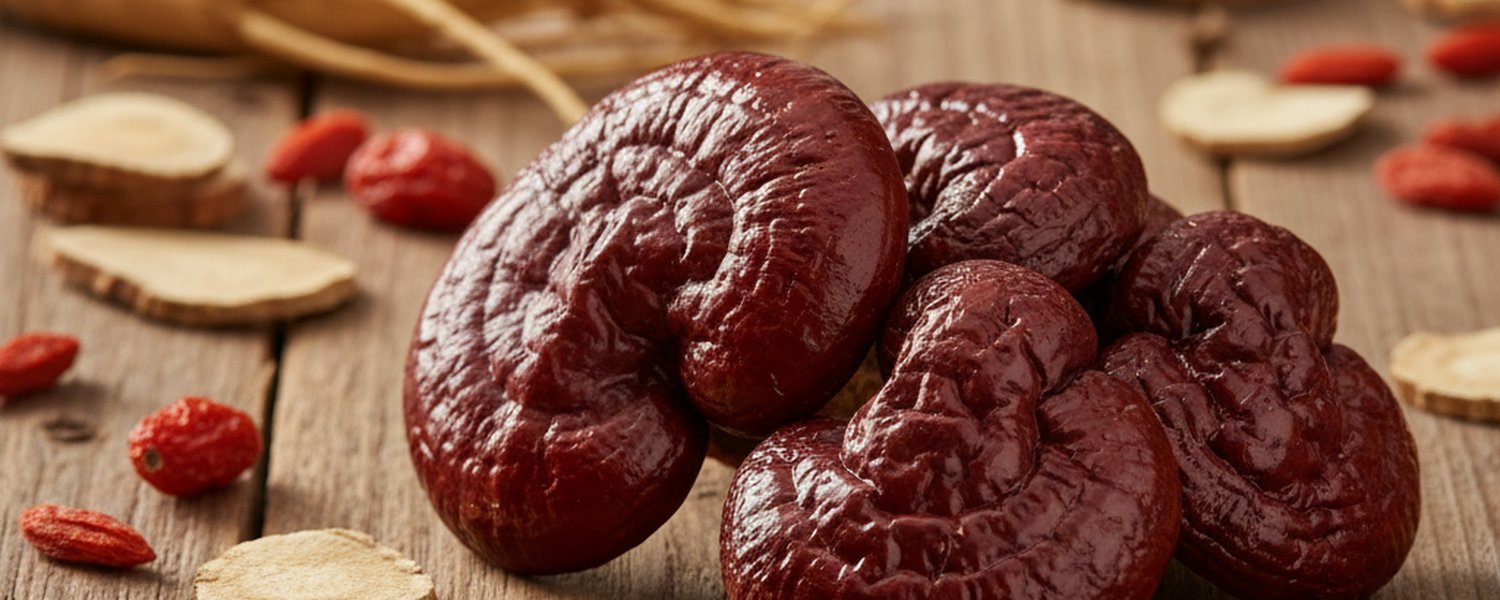
Ganoderma lucidum, commonly called reishi, grows naturally on hardwood trunks in East Asia, especially in China, Japan and Korea. In Chinese tradition it is known as lingzhi, often translated as the “mushroom of immortality.” Fresh reishi is woody and inedible, so the useful form is almost always an extract, a powder or a standardized capsule.
Its long traditional use explains part of its reputation, but modern interest comes from its active compounds: triterpenes, polysaccharides and bioactive nucleosides. Together, these compounds make reishi stand out among medicinal mushrooms aimed at stress resilience and recovery.
Why it differs from other functional mushrooms
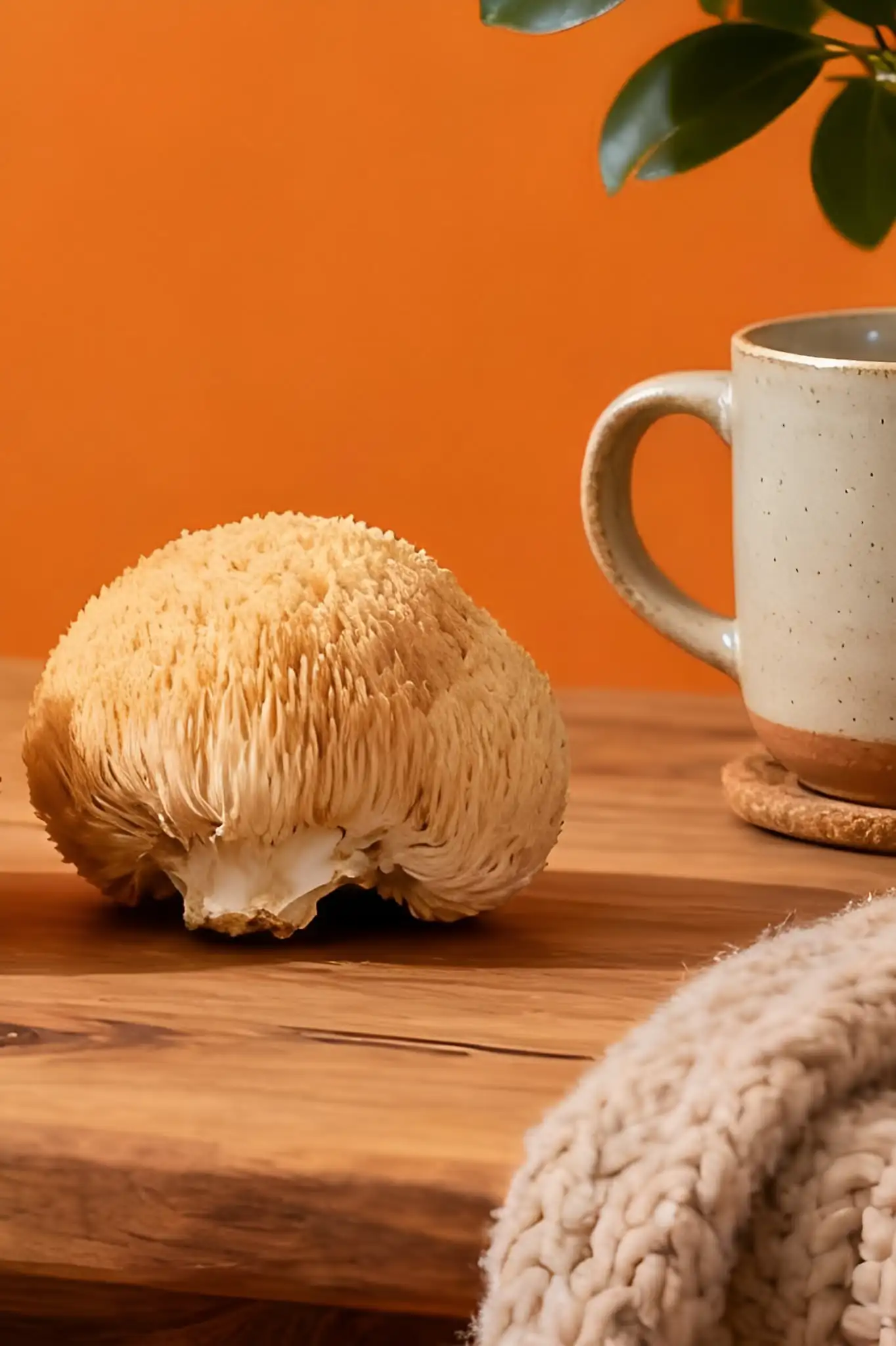
Within the family of adaptogenic mushrooms, each species tends to shine in a different area. Lion's mane is usually associated with focus and cognition. Chaga is better known for antioxidant support. Cordyceps is often chosen for stamina. Reishi is the one most closely tied to stress regulation, nervous-system balance and evening relaxation.
That difference is largely explained by its composition:
- Triterpenes, including ganoderic acids, which are being studied for their effects on inflammation, stress signalling and calmness.
- Polysaccharides, especially beta-glucans, which contribute to immune modulation and overall resilience.
- Nucleosides such as adenosine, which may play a role in the body's sleep-wake regulation.
That combination does not make reishi a miracle cure, but it does make it one of the most coherent mushroom options for people whose poor sleep is clearly linked to stress overload rather than to a structural sleep disorder.

Reishi and sleep: what does the science really say?

Triterpenes, GABA and the stress response
To understand the potential benefits of reishi for sleep, start with the mechanisms. Reishi triterpenes, especially ganoderic acids, are the compounds most often discussed for their neurobiological effects. In vitro data and animal models suggest they may help modulate inflammation in the nervous system, support a calmer stress response and slightly reduce sleep latency in stressed subjects.
The most plausible explanation is indirect: reishi does not knock you out like a sleeping pill. Instead, it may help the body downshift by influencing pathways linked to GABA, stress signalling and cortisol regulation. That matters because many people who “cannot sleep” are really struggling to switch off a body that still behaves as if it were under threat.
Important nuance: most strong mechanistic evidence still comes from preclinical work. Human evidence exists, but it remains limited. So the honest position is this: the mechanisms are biologically credible, but the clinical proof in humans is promising rather than definitive.
What a 4-week real-world test suggests
In a 4-week evening trial using a standardized reishi extract, the effect was not immediate. During the first two weeks, there was no dramatic change in sleep onset. The first noticeable shift was subtler: less racing thoughts at bedtime and fewer stress-driven night awakenings.
By weeks three and four, the pattern became clearer. The benefit did not feel sedating. It felt like a steadier baseline: less inner tension before sleep, fewer abrupt wake-ups and a calmer morning recovery. That fits the adaptogenic logic of reishi, it seems most relevant for people whose nights are disturbed by chronic stress rather than for those expecting a direct hypnotic effect.
Who is reishi actually a good fit for?
Reishi makes the most sense for people with stress-related insomnia: trouble falling asleep because the mind keeps looping, light sleep during periods of mental overload, or repeated night waking linked to anxiety. If your insomnia is driven by sleep apnea, restless legs, chronic pain or circadian disruption, reishi is unlikely to solve the root problem.
If you want to compare other natural options, our guide to the best supplements for sleep covers the broader landscape.
How to choose and use reishi for sleep
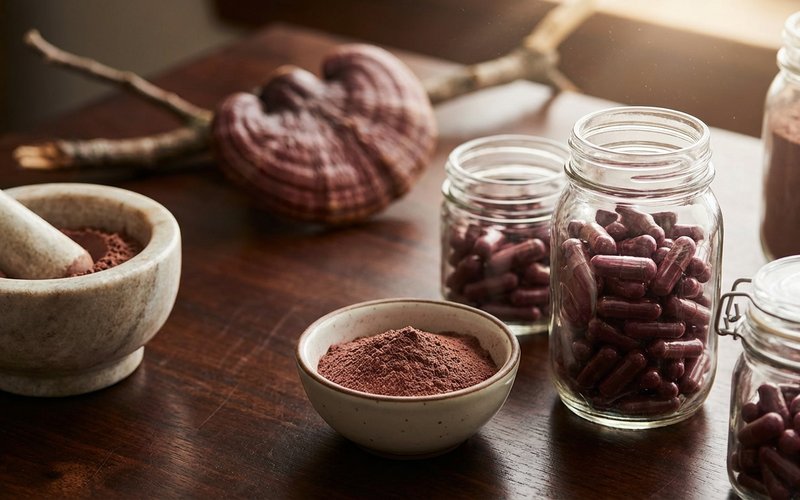
For regular use, capsules or standardized extracts are usually the most practical format. Look for:
- a clearly stated polysaccharide content, ideally 20-30% or higher;
- visible triterpene data when available;
- an extraction ratio of at least 10:1;
- fruiting body rather than grain-grown mycelium as the primary source;
- heavy metal testing and transparent manufacturing standards.
A realistic effective range is usually 1,000 to 2,000 mg of extract per day, taken 1 to 2 hours before bed. Start lower, assess tolerance, then build gradually. Reishi is not a one-night fix, most people need 3 to 4 weeks before they can judge whether it is helping.
Our take: is reishi worth trying for sleep?
Yes, with the right expectations. Reishi is one of the more convincing natural options for people whose poor sleep is clearly tied to stress, elevated evening arousal and difficulty unwinding. It is not magic, it is not fast, and it should not replace good sleep hygiene or medical care when insomnia is severe.
For a practical product choice, we recommend the French Mush reishi capsules: standardized extract, clear dosing and a format that fits daily use. Start at 1,000 mg in the evening for four weeks and track your sleep quality before drawing conclusions.

Common questions about reishi and sleep
Does reishi make you fall asleep immediately?
No. Reishi is not a sedative. Its value is more about calming the stress response over time.
Can you combine reishi with melatonin?
Yes. Reishi and melatonin work through different mechanisms and can be used together, provided the overall protocol is well tolerated.
How long before reishi works?
In most real-world use cases, give it at least 3 weeks, and ideally 4 to 6, before deciding whether it is effective.
Is reishi useful for chronic insomnia?
It may help when stress is the main driver. It is far less relevant when insomnia is caused by structural or medical issues.
Scientific reference
PMID 22207209: Effects of Ganoderma lucidum polysaccharides on sleep in mice.

LMC’s editorial line is built around transparency and reliability. Our content is written to help users make better decisions, based on 7 key criteria* that support trustworthy information, verified promo codes, and useful reviews.
To support LMC, some links are affiliate links. Our recommendations remain independent and based on transparent, verifiable criteria. By using the site, you accept our terms of use and our editorial policy.




.webp)

.avif)