




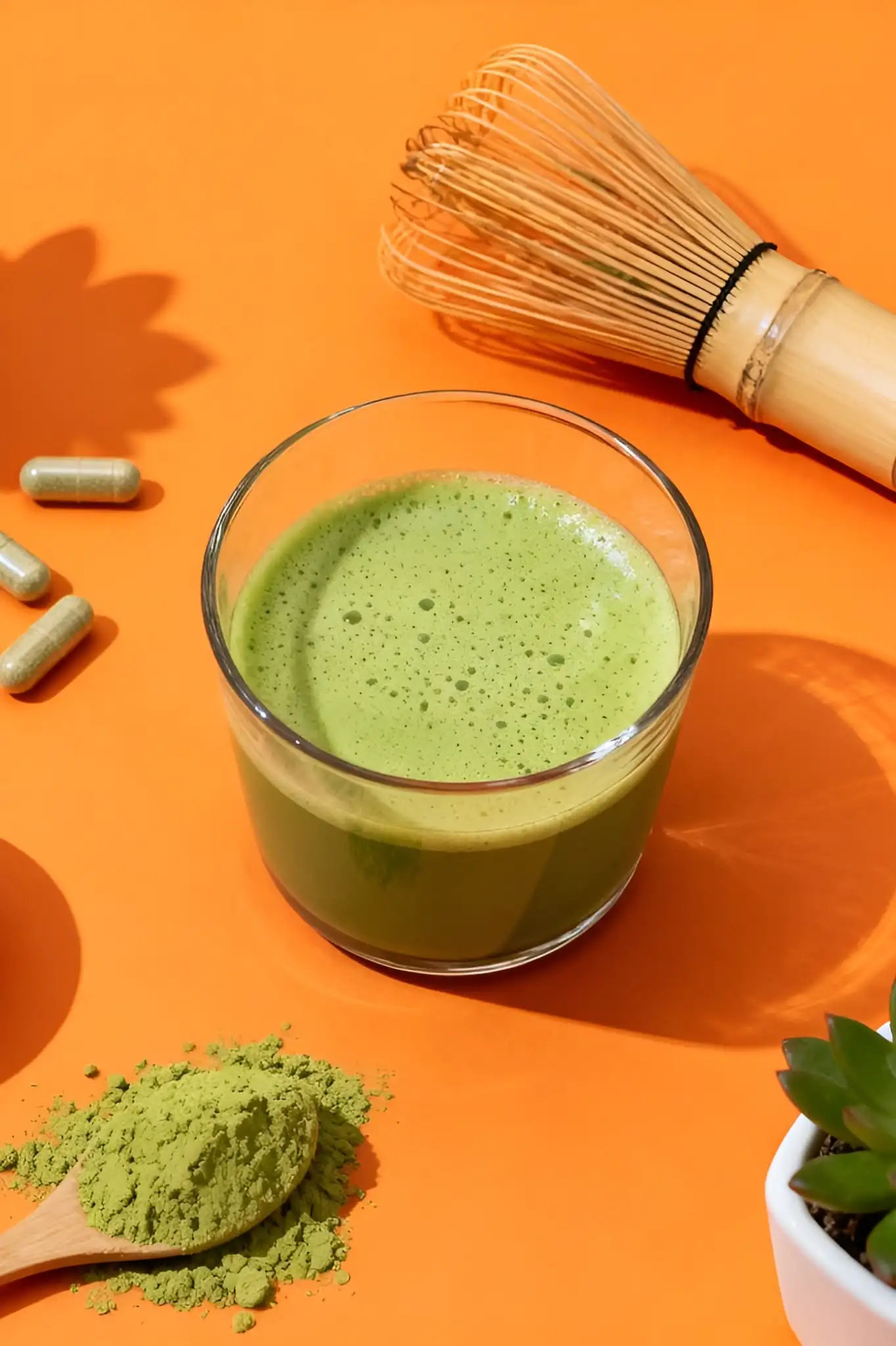
Using matcha to lose weight has become a mainstream wellness idea, but most of the content online still gets the positioning wrong. Matcha is neither useless hype nor a magic shortcut. It is better understood as a high-quality green tea concentrate that may support body-composition goals through several modest yet meaningful mechanisms.
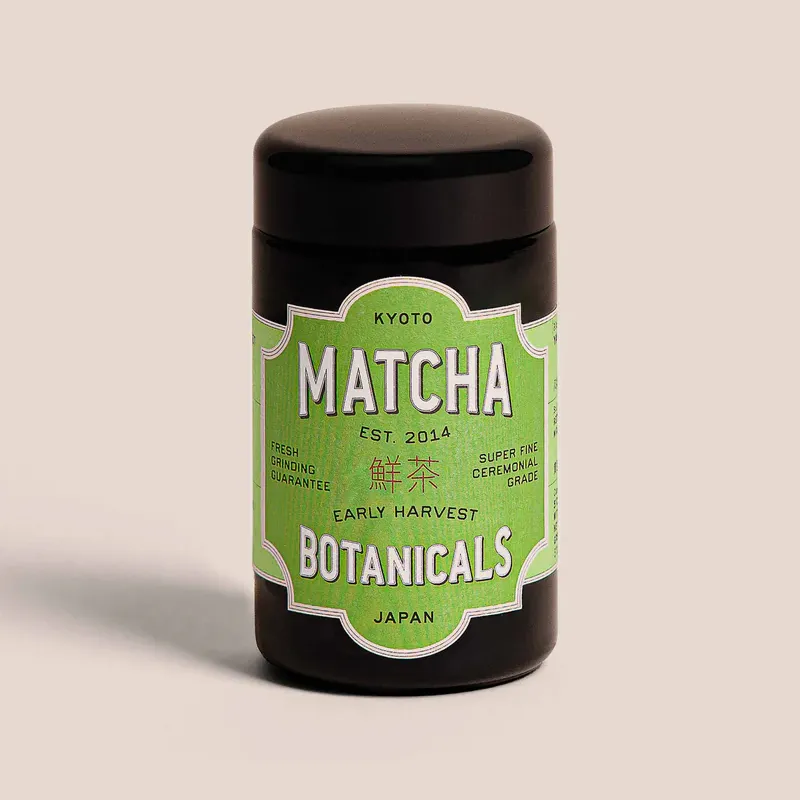
See Récolte Précoce: Matcha Cérémonial - Matcha Botanicals →
Because you consume the full tea leaf in powdered form, matcha provides a denser supply of catechins than standard infused green tea. The compound that attracts the most attention is EGCG, which has been studied for its relationship with thermogenesis, fat oxidation, and metabolic efficiency. Matcha also contains caffeine, which can improve alertness, training drive, and energy expenditure.
For readers looking for a premium natural strategy rather than another underdosed slimming supplement, this is why matcha deserves a serious look. It will not replace a calorie deficit, but it may help make that deficit more productive and easier to maintain.
What Matcha Can, and Cannot, Do
The realistic promise is not dramatic weight loss overnight. The realistic promise is better support around the edges: slightly better metabolic output, better pre-workout energy, and a more satisfying ritual that can replace higher-calorie drinks or sugary snacks.
That matters more than it sounds. In nutrition, products that improve consistency often outperform products that promise intensity. Matcha fits that profile well when the product quality is high and the rest of the routine is coherent.

The Main Mechanisms Behind Matcha and Weight Loss
EGCG and thermogenesis
EGCG is the catechin most often associated with matcha’s slimming reputation. Research on green tea extracts suggests that catechins may help increase thermogenesis and promote a slightly higher rate of fat oxidation. The effect is usually modest, but that is still valuable when combined with good training and disciplined nutrition.
Caffeine and exercise output
Matcha also supplies natural caffeine, which can improve alertness and perceived effort during workouts. Better sessions usually mean more total work, better adherence, and a stronger chance of preserving lean mass while dieting. That is one reason matcha makes more sense before activity than as a random wellness accessory.
L-theanine and better tolerance
One reason many people prefer matcha over coffee is the presence of L-theanine, an amino acid linked to a calmer cognitive effect. It does not cancel caffeine, but it can make the experience feel smoother and more sustainable for users who dislike the abrupt edge of strong coffee.
How to Use Matcha Effectively
A practical range for most adults is 1 to 2 servings daily, depending on caffeine sensitivity and the concentration of the powder. Drinking it before a walk, a gym session, or the most demanding part of your workday often makes more sense than using it late at night.
Quality is decisive. Choose Japanese matcha with a bright green color, transparent origin, and a flavor profile that is grassy rather than harshly bitter. If the product tastes flat, stale, or muddy, the raw material is probably not premium enough for daily use.
Who Gets the Best Results?
Matcha tends to be most useful for readers who already have the basics in place: adequate protein, a calorie-aware diet, regular movement, and realistic expectations. In that context, it can act as a smart metabolic enhancer. Outside that context, it becomes just another expensive drink.
So yes, matcha can help with weight loss. Not aggressively, not magically, but credibly enough to deserve its place in a well-built routine.

LMC’s editorial line is built around transparency and reliability. Our content is written to help users make better decisions, based on 7 key criteria* that support trustworthy information, verified promo codes, and useful reviews.
To support LMC, some links are affiliate links. Our recommendations remain independent and based on transparent, verifiable criteria. By using the site, you accept our terms of use and our editorial policy.





.webp)

.avif)