




Matcha for weight loss is one of those wellness topics that attracts both solid evidence and a lot of noise. Social media reduces it to a photogenic latte, while low-quality blogs often oversell it as a miracle fat burner. The truth sits in the middle: premium Japanese matcha can support a serious slimming strategy, but only as part of a bigger metabolic picture.
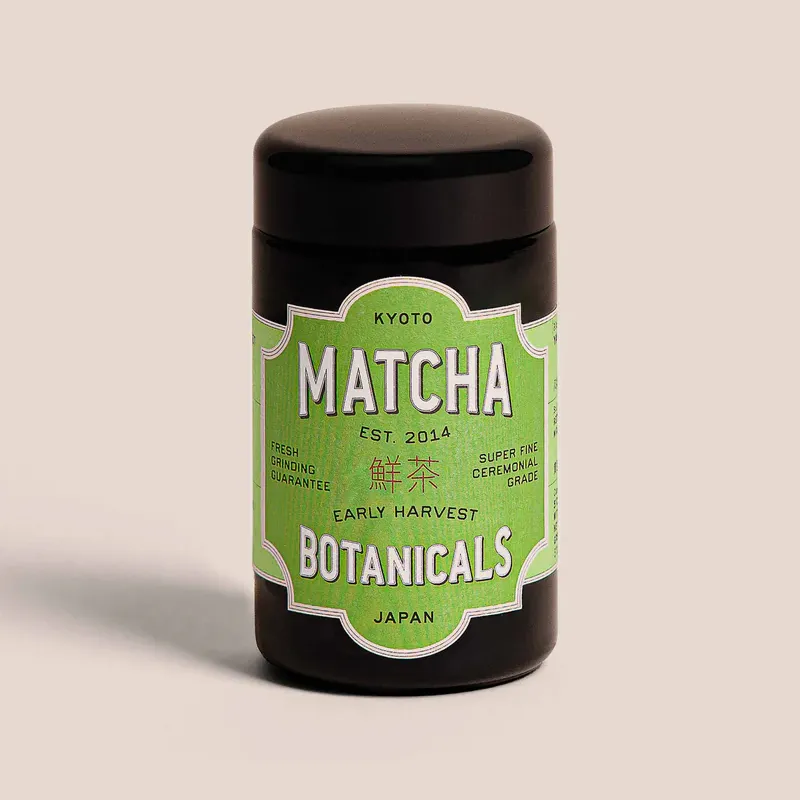
See Récolte Précoce: Matcha Cérémonial - Matcha Botanicals →
What makes matcha interesting is not the color or the ritual. It is the fact that you consume the entire powdered tea leaf, which means a more concentrated intake of catechins, naturally occurring caffeine, and compounds such as L-theanine. Among those catechins, EGCG is the best documented for its role in thermogenesis and fat oxidation.
That does not mean matcha will melt body fat on its own. What it can do, when the product is authentic, the dosage is adequate, and the overall diet is controlled, is modestly improve energy expenditure, support training output, and make a calorie deficit slightly easier to sustain. For readers looking for an evidence-led natural option, that is exactly why matcha remains relevant in 2026.
Why Matcha Still Deserves Attention in a Weight-Loss Plan
Unlike many flashy slimming supplements, matcha is backed by a combination of traditional use, compositional logic, and modern human data on green tea catechins. It is not the strongest lever in a fat-loss program, but it is one of the cleaner and more sustainable ones.
Its main advantage is synergy. Catechins may help increase fat oxidation, caffeine can sharpen energy and exercise performance, and L-theanine tends to soften the more jittery side of stimulation. That profile makes matcha especially attractive for people who want a calmer alternative to aggressive pre-workouts or overhyped slimming capsules.
If your goal is smarter appetite control, better training consistency, and a small but meaningful metabolic edge, matcha can absolutely earn its place. It just has to be positioned correctly: as a premium nutritional tool, not a shortcut.

How Matcha May Support Fat Loss
EGCG, thermogenesis, and fat oxidation
The best-known mechanism behind matcha and weight loss is its concentration of EGCG, a catechin widely studied in green tea research. EGCG appears to support thermogenesis and fat oxidation, especially when combined with naturally occurring caffeine. In practical terms, that means matcha may help the body use slightly more energy and rely a bit more on fat as fuel.
The effect is not spectacular, but it is meaningful in the real world because sustainable fat loss is usually built from several modest advantages stacked together: better food choices, more movement, stronger adherence, and small metabolic improvements that accumulate over time.
Energy, focus, and training quality
Good matcha also delivers a smoother stimulant profile than coffee for many users. The blend of caffeine and L-theanine can support concentration and perceived mental steadiness, which is useful if you train in the morning or want more discipline during a calorie-controlled phase. Better energy often translates into better sessions, and better sessions are one of the clearest ways to improve body composition over time.
How to Choose the Right Matcha
Ceremonial vs. culinary grade
If you are buying matcha specifically for wellness or metabolic support, quality matters. Ceremonial grade matcha usually comes from younger leaves, offers a finer texture, and delivers a cleaner taste with less bitterness. Culinary grade can still be useful in recipes, but it is rarely the most compelling option if your goal is daily functional use.
Look for Japanese origin, harvest transparency, a vivid green color, and a brand that clearly states the grade. Cheap dull-green powders are often oxidized, harsh, or diluted in quality terms, and that is exactly where consumer disappointment begins.
Organic matcha and contamination standards
For daily use, organic matcha with transparent sourcing is a smart choice. Heavy metal testing, origin traceability, and freshness matter more than decorative packaging. A premium product should feel trustworthy before you even think about flavor notes.
Best Practices for Results
Most people do well with 1 to 2 servings per day, ideally earlier in the day or before training if they tolerate caffeine well. Pairing matcha with a high-protein, calorie-aware routine makes far more sense than drinking it on top of a chaotic diet.
The bottom line is simple: matcha can support fat loss, but it works best as part of a disciplined strategy focused on nutrition, movement, and consistency. Used that way, it is one of the more elegant natural tools in the category.


LMC’s editorial line is built around transparency and reliability. Our content is written to help users make better decisions, based on 7 key criteria* that support trustworthy information, verified promo codes, and useful reviews.
To support LMC, some links are affiliate links. Our recommendations remain independent and based on transparent, verifiable criteria. By using the site, you accept our terms of use and our editorial policy.



.webp)

.avif)