



.png)
Why marine collagen powder became a staple
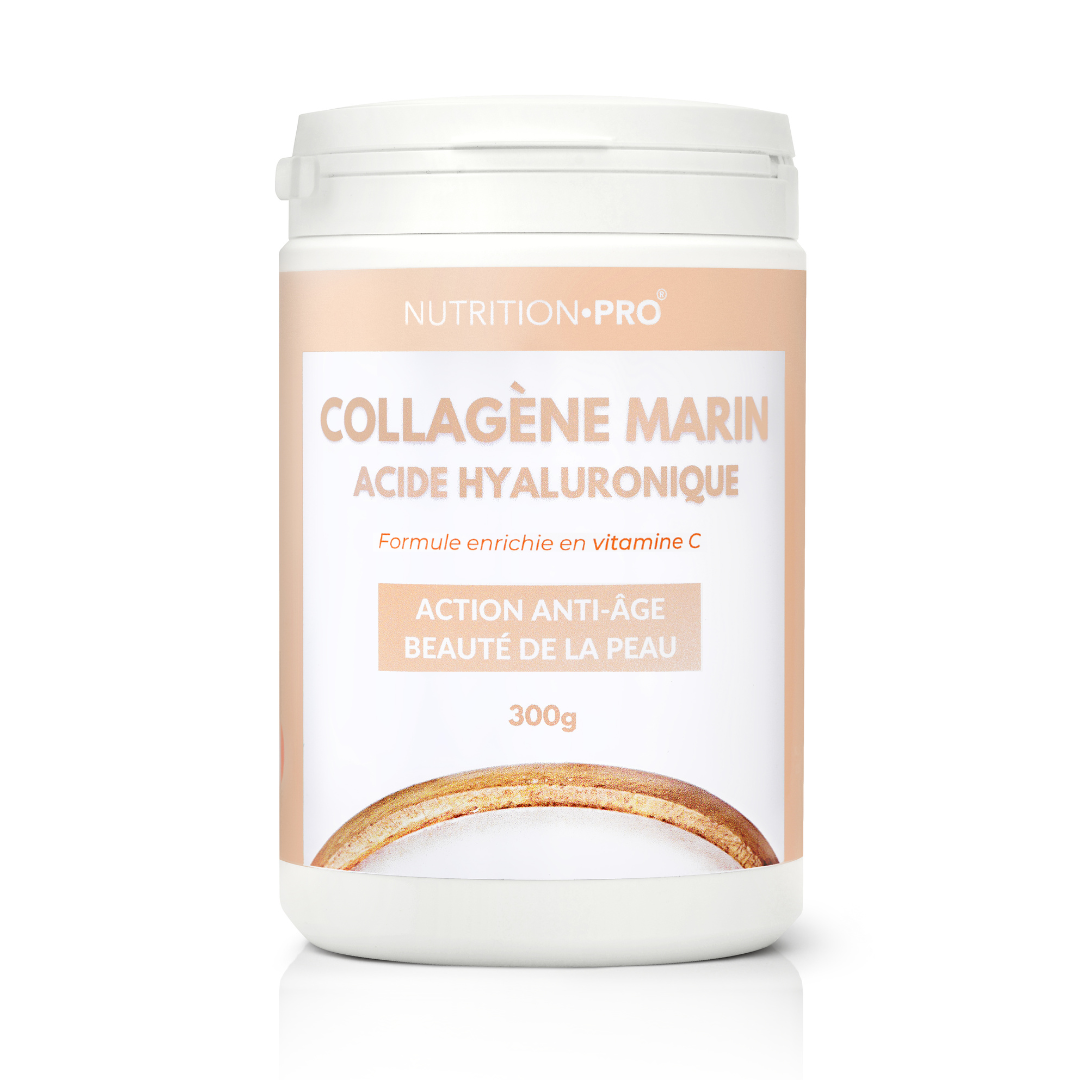
Marine collagen powder sits at the intersection of beauty, recovery, and long-term wellness. It appeals to people who want visible skin support, but also to active adults looking for a practical way to support connective tissue, mobility, and overall structural resilience as collagen production naturally declines with age.
Its popularity is not only marketing-driven. Hydrolyzed marine collagen is easy to use, simple to dose, and more flexible than capsules for anyone who wants clinically relevant daily amounts. Instead of swallowing multiple pills, you can work one measured serving into coffee, smoothies, yogurt, or a morning routine you already follow.
That said, not every formula deserves the same trust. The label may say marine collagen, but the real differentiators are peptide quality, hydrolysis level, raw material sourcing, flavor neutrality, and brand transparency. Those details determine whether a powder feels effortless and effective, or expensive and underwhelming.
How to choose a better marine collagen powder
Start with the basics: look for hydrolyzed marine collagen peptides, ideally with a clear source such as wild-caught fish or controlled marine by-products, and without unnecessary sweeteners or fillers. A clean formula matters more than marketing language about beauty or anti-aging.
Then look at usability. The best powders dissolve easily, have little to no fishy aftertaste, and let you hit a meaningful daily dose without turning your drink into a chore. If a product tastes rough, clumps badly, or hides a low collagen content behind a proprietary blend, it is rarely the premium choice.
Powder vs capsules vs liquid
Powder remains the most practical format for most people. It gives you flexible dosing, usually better value per gram, and the easiest path to the 5 to 10 gram range commonly used in supplementation routines. Capsules are convenient but often underdosed. Liquids can be easy to consume, but they are usually more expensive and less efficient gram for gram.

How much marine collagen powder should you take?
Typical daily range: 5 to 10 grams

For most adults, 5 to 10 grams per day is the range most often used in practice. Lower doses can fit a skin-focused routine, while the higher end is more common for joint support, training recovery, and longer-term connective-tissue goals.
- Skin-focused routine: around 5 grams daily, taken consistently for at least 8 weeks.
- Joint and movement support: closer to 10 grams daily, especially for active adults or athletes.
- Hair and nail support: consistency matters more than timing, with a multi-month routine generally making more sense than sporadic use.
When should you take it?
There is no magic time of day. Morning coffee, a smoothie, yogurt, or an evening drink can all work. The best timing is the one you can repeat every day without friction.
How to make marine collagen powder easier to enjoy

If you dislike the taste, build it into stronger-flavored recipes. Coffee is a popular option when the powder is genuinely neutral. Smoothies work even better if you want to hide any marine note completely. You can also mix it into yogurt, oatmeal, or protein shakes.

How long should you use it?
Think in months, not days. Skin-related improvements are often judged after 8 weeks or more, while joint and mobility goals usually require a longer testing window. A realistic approach is to evaluate after 2 months for beauty goals and after 3 to 6 months for structural or athletic goals.
Bottom line
The best marine collagen powder is not the one with the loudest promises. It is the one with clean sourcing, easy daily use, and a dose you can sustain long enough to judge real results.

LMC’s editorial line is built around transparency and reliability. Our content is written to help users make better decisions, based on 7 key criteria* that support trustworthy information, verified promo codes, and useful reviews.
To support LMC, some links are affiliate links. Our recommendations remain independent and based on transparent, verifiable criteria. By using the site, you accept our terms of use and our editorial policy.




.webp)

.avif)