



.webp)
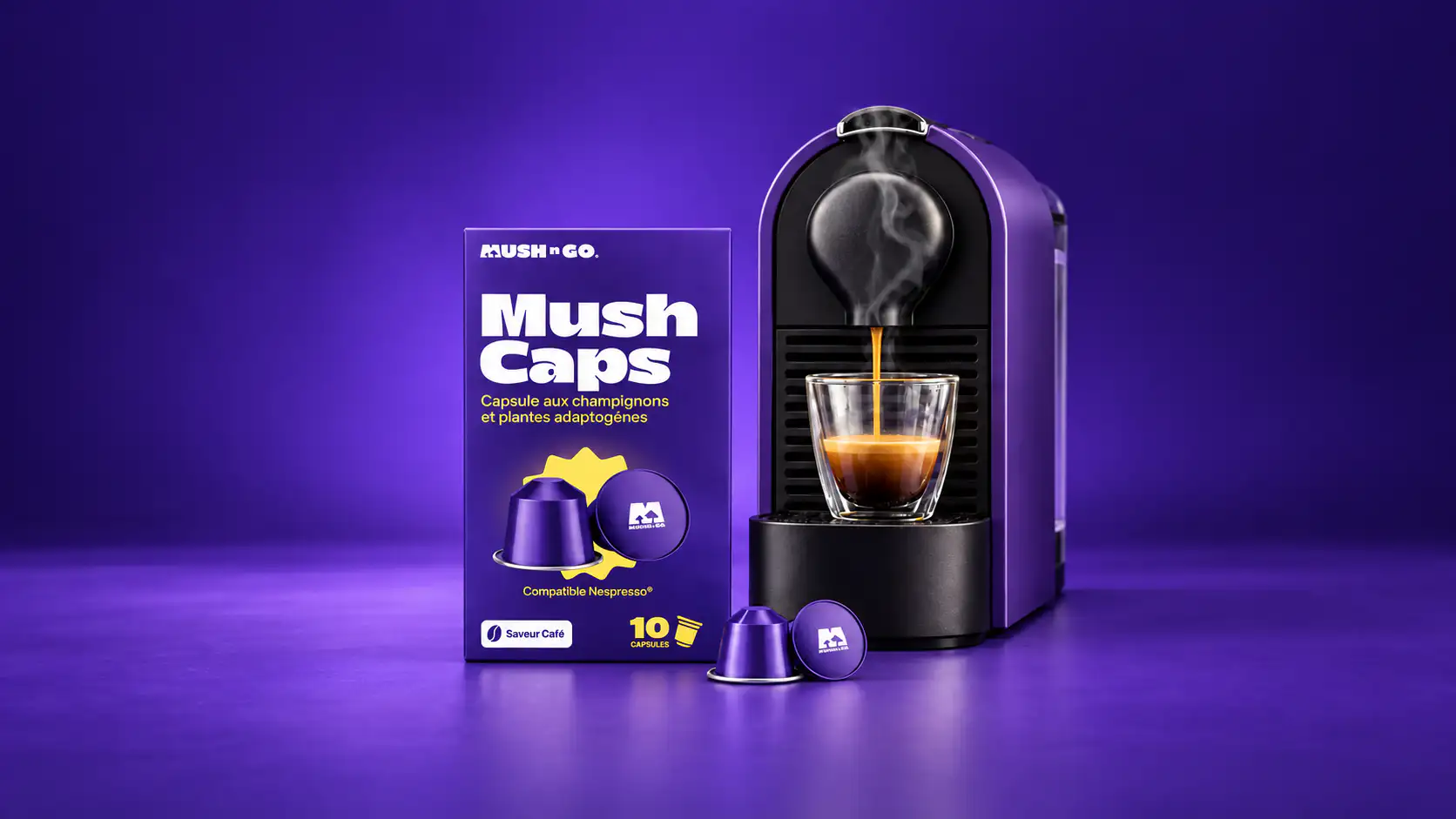
Let’s start with the essential point: cordyceps is not a dangerous mushroom for most healthy adults when it is used at a sensible dose and sourced from a serious brand. The fear around it is largely driven by confusion between a parasitic fungus found in insects and the cultivated extracts sold in supplements.
That does not mean every product is risk-free. The real concerns are far more conventional: poor sourcing, contaminated raw material, exaggerated dosages, and individual medical situations that make supplementation inappropriate. In other words, the danger usually comes from context and product quality, not from some mysterious mushroom effect.
Who should be cautious before taking cordyceps?
Cordyceps may stimulate immune activity and can have a mild impact on blood sugar regulation. That makes it a supplement worth discussing with a healthcare professional if you are pregnant, breastfeeding, preparing for surgery, living with an autoimmune condition, or taking medication for diabetes or blood thinning.
If you are already following a medical treatment plan, the right reflex is simple: treat cordyceps as a biologically active supplement, not as a harmless wellness trend. A brief conversation with your doctor or pharmacist is far more useful than relying on marketing claims.
The most commonly reported side effects
In practice, the side effects most often associated with cordyceps are digestive discomfort, nausea, dry mouth, or a feeling of overstimulation when the dose is too high. These reactions are usually mild, but they are still a signal that your format, dosage, or timing may not be suitable.
A cautious approach works best: start low, take it with food if needed, and stop immediately if you notice a clear adverse reaction. A premium supplement should make you feel supported, not unsettled.


Can cordyceps really turn humans into zombies?
.webp)
No. The frightening narrative popularised by The Last of Us is inspired by fungi that infect insects, not by the cultivated cordyceps extracts used in human supplementation. It is compelling fiction, but it is not a real medical scenario.
For consumers, the useful takeaway is this: media hype should not replace toxicology, clinical context, or ingredient quality. Cordyceps deserves the same level-headed assessment as any other supplement.
What science actually suggests about safety
.webp)
Current research and long-standing traditional use suggest that cordyceps is generally well tolerated in healthy adults, especially when the product is standardised and taken within a reasonable dose range. The nuance is important: “generally well tolerated” does not mean universally appropriate.
If you have a complex health profile, your decision should be based on interactions, contraindications, and manufacturing quality. That is where the true risk assessment belongs.
How to choose a safer cordyceps supplement
.webp)
- Prefer a clearly identified species such as Cordyceps militaris.
- Look for transparent extraction methods and standardisation details.
- Choose brands that publish contaminant testing for heavy metals and microbes.
- Avoid miracle claims that promise instant energy, hormone optimisation, or disease treatment.
If a brand is vague about the mushroom species, extraction ratio, or testing, walk away. Safety starts with traceability.
Bottom line
Cordyceps is not inherently dangerous for humans, but it is not a supplement to take blindly either. The smart position is balanced: respect contraindications, watch for interactions, buy from a serious manufacturer, and start with a conservative dose. That is how you separate a promising adaptogen from a poorly judged purchase.

LMC’s editorial line is built around transparency and reliability. Our content is written to help users make better decisions, based on 7 key criteria* that support trustworthy information, verified promo codes, and useful reviews.
To support LMC, some links are affiliate links. Our recommendations remain independent and based on transparent, verifiable criteria. By using the site, you accept our terms of use and our editorial policy.




.webp)

.avif)