


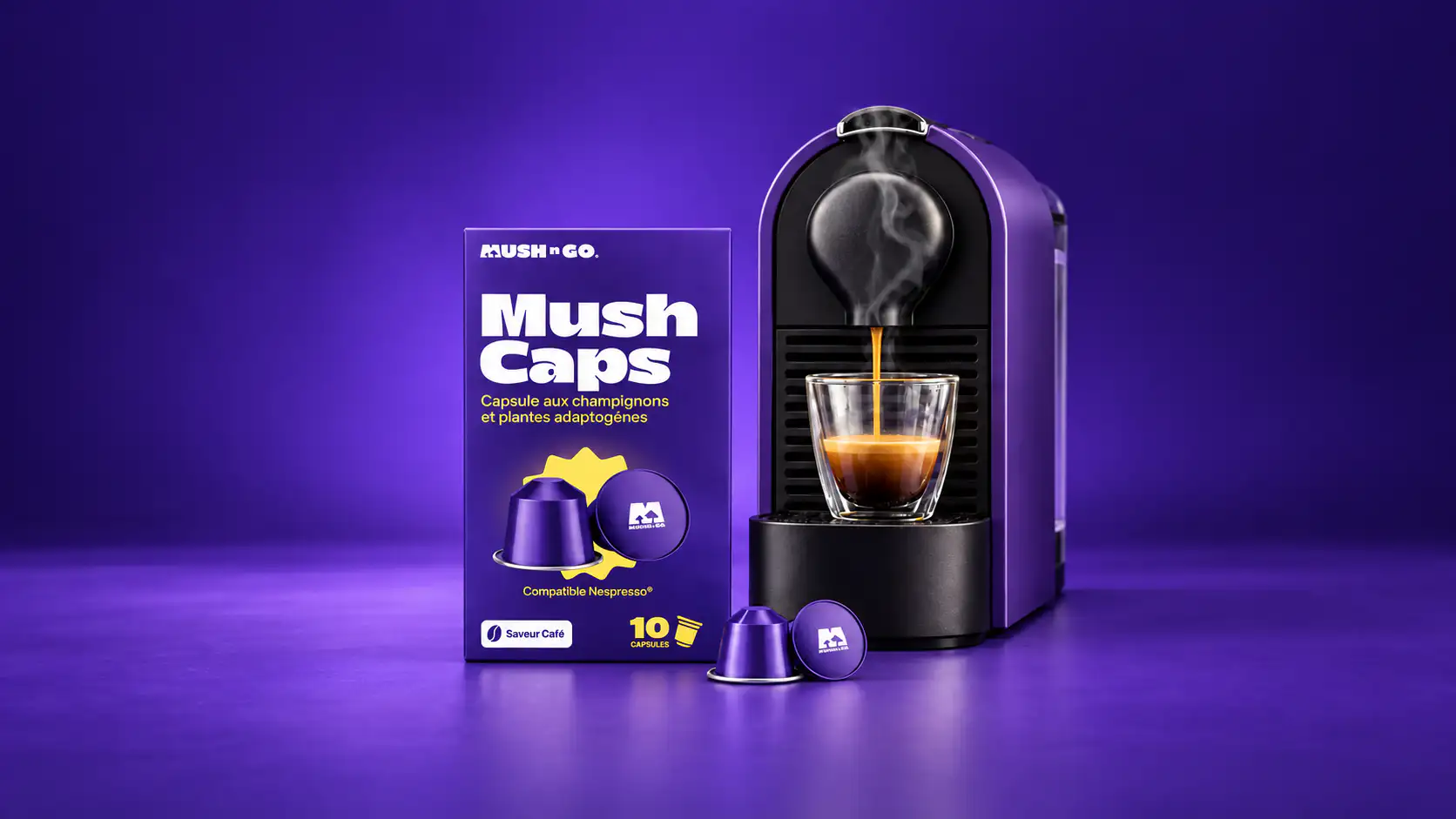


Collagen coffee has become one of the most marketable wellness products of the last few years. It promises a lot in a very convenient format: better skin, stronger joints, easier recovery, and a more "functional" morning coffee, all packaged as a beauty and longevity ritual.
The problem is not that collagen itself is useless. The real issue is that many collagen coffees use the language of clinical nutrition while delivering doses that look better on the front of the pouch than they do in the research. That distinction matters if you care about outcomes, not hype.
What Collagen Coffee Is Really Selling
Most formulas combine instant coffee with hydrolyzed collagen peptides, then wrap the product in premium branding, influencer testimonials, and anti-aging claims. For busy consumers, the idea is compelling: replace your regular coffee with a "smart" version and let the formula do the rest.
But once you evaluate the category with a more rigorous lens : dose, ingredient form, duration needed for results, and source transparency, the picture becomes much less glamorous. If you are paying a premium every month, you deserve more than aesthetic storytelling.
That is exactly why this article matters. We are not here to say every collagen product is worthless. We are here to answer the more useful question: is collagen coffee an effective format, or a clever underdosed product category built on wellness marketing?

Why Consumer Watchdogs Are Skeptical

Independent consumer groups have repeatedly highlighted a core issue with collagen coffee: the gap between the claims and the level of proof behind them. Packaging often implies visible anti-aging effects, joint relief, or broad body-wide regeneration, even though the average serving frequently supplies only 2 to 5 grams of collagen peptides.
That dosage is where the category starts to wobble. The more convincing studies on oral collagen generally use higher daily intakes and require several weeks of consistent use. In other words, one stylish sachet in your morning mug may be more lifestyle accessory than clinically serious protocol.
What the marketing gets wrong
Claims such as "fewer wrinkles in 14 days," "joint pain relief," or "visible skin plumping" sound attractive because they turn a slow nutritional strategy into a fast cosmetic promise. The problem is that the timeline and magnitude of those claims rarely match what better-quality research suggests.
Even when collagen studies are positive, the benefits are usually modest, gradual, and highly dependent on the exact ingredient used, the dose, the duration, and the study design. That is a very different message from the miracle language often used in social media ads.
What the Science on Oral Collagen Actually Suggests
Absorption is plausible, but absorption is not the same as transformation
Hydrolyzed collagen is broken down into smaller peptides, which improves digestibility and makes absorption biologically plausible. Some peptides can circulate after ingestion and may support signaling related to skin or connective tissue turnover.
That is the good-faith scientific argument for collagen supplementation. But it does not automatically mean every collagen product on the market delivers meaningful visible change, especially when the dose is low and the formula is sold through beauty-first storytelling.
The dose issue is the real bottleneck
In practical terms, this is the question that matters most: how much collagen are you actually getting per day? Many of the studies cited in favor of collagen use around 8 to 10 grams daily, sometimes more depending on the target outcome. That instantly makes many collagen coffees look underpowered.
If your coffee gives you 2 or 3 grams per serving, you are often well below the range used in the better-known trials. To match research-style intake, you may need multiple servings per day, which quickly turns an already premium product into an expensive habit.
Results, when they happen, are not instant
Another important reality check: even in favorable studies, visible changes tend to emerge over 8 to 12 weeks, not after a weekend or a two-week challenge. Skin and connective tissue remodeling is slow. If a brand markets rapid before-and-after results, treat that as a red flag rather than a selling point.
Is Collagen Coffee Better Than Smarter Alternatives?
For skin health
If your main goal is better-looking skin, collagen can be part of the discussion, but it should sit alongside the fundamentals that matter more: adequate protein, vitamin C-rich foods, sun protection, hydration, and sleep. A premium collagen strategy without lifestyle basics is still a weak strategy.
For joints and training recovery
If your interest is joint support or recovery, the same logic applies. Training quality, recovery management, and total daily nutrition usually drive the biggest results. An underdosed collagen coffee is rarely the highest-impact lever in the system.
For value
This is where the category often loses. You are not just paying for collagen, you are paying for convenience, branding, sachets, and lifestyle positioning. If you truly want to test collagen seriously, buying a well-dosed standalone collagen product is often the more rational move.
Our Preferred Option: Colco
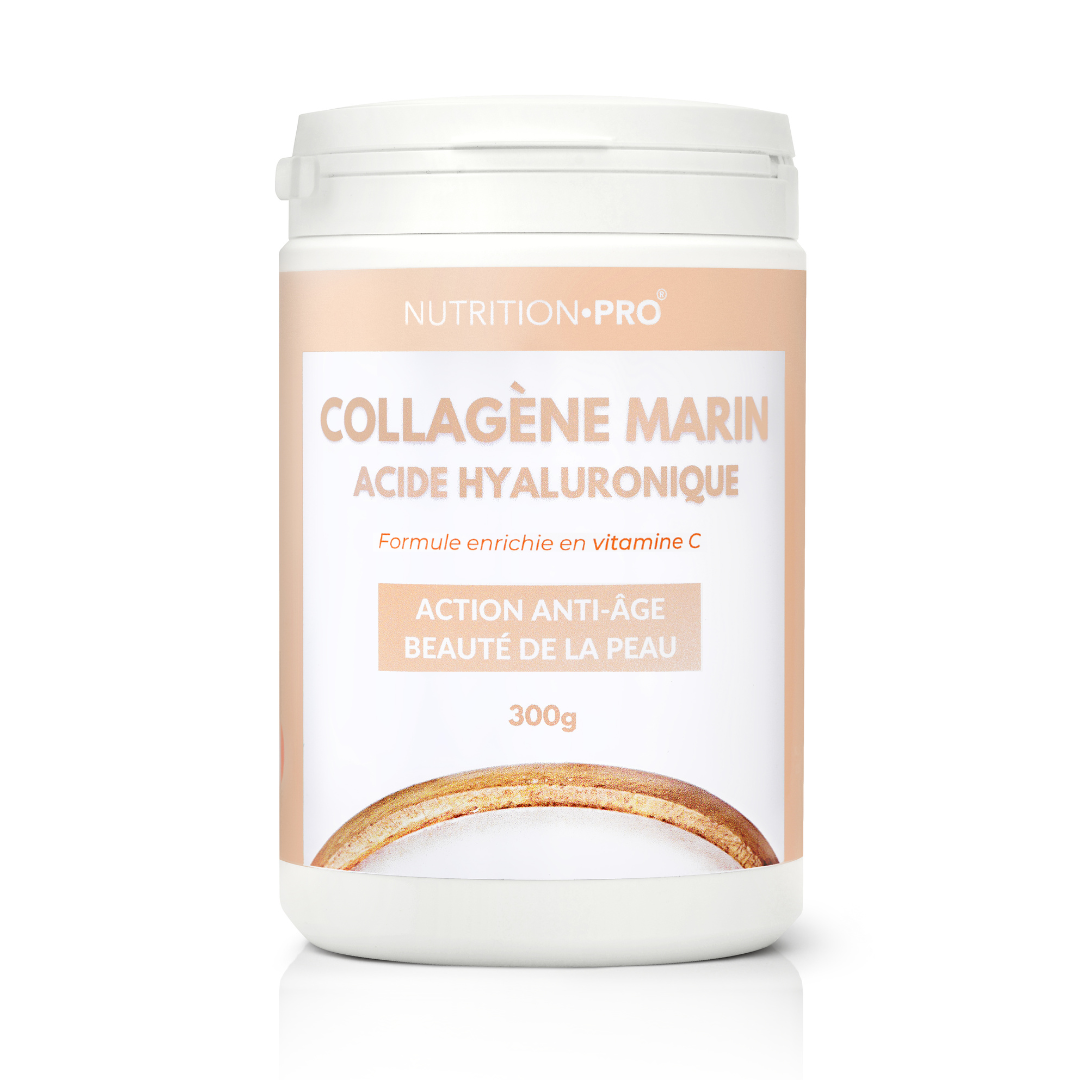
If you still want to use collagen in a more evidence-aligned way, Colco stands out better than the average collagen coffee brand. What we like is not fantasy marketing, but the fact that the formula is positioned more credibly around actual supplementation logic: traceability, cleaner presentation, and a dose profile that makes more sense in the real world.
That is why Colco earns a stronger recommendation from us than most collagen-coffee products. It is not a miracle solution, and we would not market it as one. But it is a more serious option for readers who want to test marine collagen without buying into exaggerated promises. At the time of writing, the code LMC10 gives 10% off.
You can also read our full Colco review and check the latest Colco promo code before ordering.
How to Evaluate a Collagen Product Like a Smart Buyer
Look for these signals
- A clearly stated daily collagen dose, not vague beauty language
- Hydrolyzed peptides from a traceable source
- A realistic time horizon of at least 8 to 12 weeks
- Transparent positioning rather than theatrical promises
- A price point that still makes sense if you use it consistently
Be cautious of these red flags
- Unrealistic before/after visuals
- Claims that sound medical without medical-grade evidence
- Tiny doses presented as premium efficacy
- High monthly cost hidden behind single-serve convenience
- Beauty storytelling that says more than the ingredient panel does
Bottom Line: Is Collagen Coffee Worth It?
For most readers, the answer is: not really, at least not in its typical underdosed format. The concept is convenient and the ritual is appealing, but the value proposition often collapses when you compare the dose, the cost, and the quality of evidence.
If you enjoy the ritual, keep your favorite coffee. Then, if collagen is still a priority, choose a better-dosed standalone product with cleaner transparency. That approach is usually more logical, more cost-effective, and far closer to what the science actually supports.

Scientific References
- Asserin J. et al. (2015). "The effect of oral collagen peptide supplementation on skin moisture and the dermal collagen network." Journal of Cosmetic Dermatology. View on PubMed
- Shaw G. et al. (2017). "Vitamin C-enriched gelatin supplementation before intermittent activity augments collagen synthesis." American Journal of Clinical Nutrition. View on PubMed
- Clark K.L. et al. (2008). "24-Week study on the use of collagen hydrolysate as a dietary supplement in athletes with activity-related joint pain." Current Medical Research and Opinion. View on PubMed
- UFC-Que Choisir article on dietary supplements and excessive claims (2024): quechoisir.org

LMC’s editorial line is built around transparency and reliability. Our content is written to help users make better decisions, based on 7 key criteria* that support trustworthy information, verified promo codes, and useful reviews.
To support LMC, some links are affiliate links. Our recommendations remain independent and based on transparent, verifiable criteria. By using the site, you accept our terms of use and our editorial policy.




.webp)

.avif)