





Chamomile Tea Benefits: Why This Herb Still Deserves Attention
Chamomile is one of those rare medicinal plants that has survived every wellness trend for a reason: it is gentle, widely tolerated, and supported by a surprisingly strong mix of traditional use and modern pharmacology. Far from being just a cozy caffeine-free drink, it has become a serious staple for readers interested in sleep support, digestion, nervous-system balance, and soothing skincare rituals.
Its value comes from a broad phytochemical profile rather than one isolated hero compound. That matters because the best herbal remedies often work through a network of complementary molecules, not a single ingredient headline.
The best-known of those compounds is apigenin, a flavonoid associated with calmness and evening relaxation. Chamomile also contains compounds such as bisabolol and chamazulene, which help explain the herb’s traditional reputation for soothing inflammation, sensitivity, and digestive discomfort.
German vs. Roman Chamomile: Which One Matters Most?
The chamomile category is often simplified, but the distinction matters. German chamomile (Matricaria chamomilla / Matricaria recutita) is generally the more relevant reference when discussing digestive and anti-inflammatory support, and it is the variety most commonly used in higher-quality extracts.
Roman chamomile (Chamaemelum nobile) is also valued, especially in aromatherapy and calming evening rituals, but the two plants are not interchangeable in a strict botanical or phytochemical sense. When a brand is precise about which chamomile it uses, that is usually a positive sign.
For readers shopping supplements or functional beverages, that precision is worth noticing. A premium product should tell you not only that it contains chamomile, but what kind, in what form, and for what purpose.

Chamomile for Sleep and Stress Relief
Among the many claimed chamomile tea benefits, support for evening calm is still the most compelling. Chamomile is not a sedative in the pharmaceutical sense, but it can help create the physiological conditions that make restful sleep easier: less tension, less mental agitation, and a softer transition into the night.
Apigenin is the compound most often mentioned here because it appears to interact with pathways linked to relaxation. That does not turn chamomile into a knockout remedy, and that is actually part of its appeal: the effect is usually gentler, more gradual, and more compatible with a sustainable nightly routine.
For people whose sleep troubles are tied to stress, racing thoughts, or a hard time winding down, this positioning makes sense. Chamomile is rarely the whole answer for chronic insomnia, but it can be a useful part of a smarter evening stack.
Chamomile for Digestion and Post-Meal Comfort
Chamomile has long been used for digestive discomfort such as bloating, mild cramps, heaviness after meals, and nervous stomach tension. Its traditional reputation is supported by the fact that it is commonly described as both antispasmodic and soothing to the digestive tract.
That makes it particularly interesting for readers who notice that stress and digestion are tightly connected. A cup after dinner may not transform your gut overnight, but it can fit very naturally into a broader routine aimed at calmer digestion and a more relaxed evening.
In practical terms, 1 to 3 cups per day is a common traditional range. For sleep support, many people do best taking it around 30 to 45 minutes before bed. For digestion, using it after meals or during periods of stomach tension is often the most intuitive approach.
Chamomile for Skin: A Quietly Underrated Benefit

Chamomile also has a credible place in skin-focused wellness. Topically, it is often used in products designed for redness-prone, easily irritated, or reactive skin. Internally, it fits a broader anti-stress and anti-inflammatory lifestyle approach that can indirectly support healthier-looking skin over time.
This is one reason chamomile continues to appear in both herbal teas and cosmetic formulas: it bridges internal wellness and external comfort unusually well. It is not a miracle skincare ingredient, but it is one of the more versatile plant actives in the natural-health space.
Chamomile, Blood Pressure, and Kidney Questions
Two topics come up again and again in search queries: chamomile and blood pressure, and whether chamomile is safe for the kidneys. The sensible answer is nuance.
Chamomile is sometimes associated with a mild relaxing effect on the cardiovascular system, but it should not be framed as a replacement for medical care or blood-pressure treatment. If you already take medication that affects blood pressure, coagulation, or sedation, a cautious conversation with a healthcare professional is the right move.
As for kidney concerns, occasional tea use is generally viewed as low risk for healthy adults. Concentrated extracts or heavy supplemental use deserve more care, especially for anyone with pre-existing renal issues or a more complex medical profile.
Chamomile Side Effects and Main Precautions
Chamomile is usually well tolerated, but that does not mean it is for everyone. The main caution involves people who are sensitive to plants in the Asteraceae family, including ragweed and certain daisies, because cross-reactivity can occur.
Other precautions matter too. If you take anticoagulants, sedatives, or medication affected by herbal interactions, do not assume a "natural" product is automatically interaction-free. Pregnancy, breastfeeding, and serious chronic illness are also moments where individualized advice makes more sense than self-experimentation.
In normal culinary or tea-level use, side effects are uncommon. Problems tend to appear when intake becomes excessive or when concentrated products are used carelessly.
Why Bonjour Drink Makes the Evening Ritual More Interesting

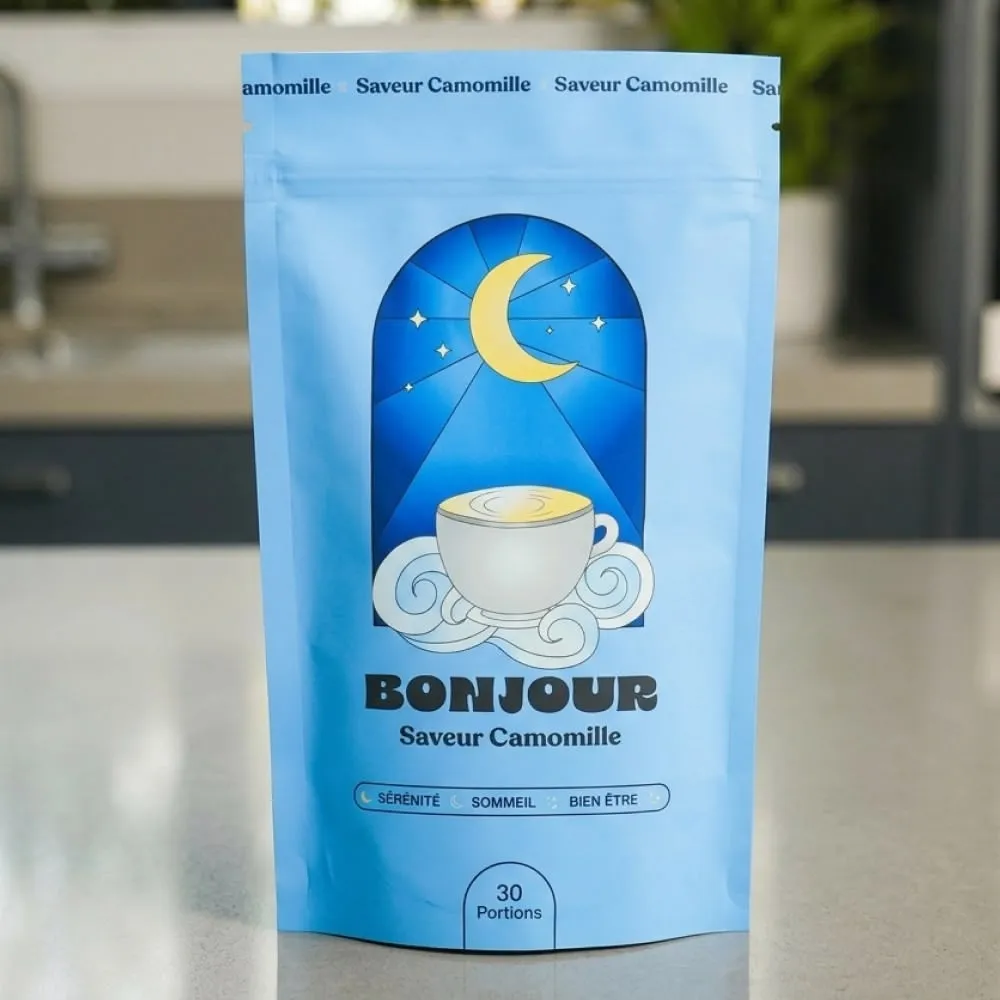
Bonjour Drink becomes relevant here because it does more than simply add chamomile to a trendy powder. The formula builds an evening-oriented profile around chamomile with additional calming ingredients such as reishi, passionflower, and L-theanine from decaffeinated green tea.
That kind of formulation makes strategic sense. Chamomile on its own is a strong ritual ingredient, but pairing it with other well-positioned evening compounds can create a more complete wind-down experience, especially for readers who want something more functional than tea, yet gentler than a hard sleep aid.
What we like about Bonjour Drink is not a promise of instant sedation. It is the more modern positioning: a calmer bedtime routine, lower evening stimulation, and a premium wellness ritual that fits people who want consistency, not a blunt-force fix. If you want the wider brand context, our full Bonjour Drink review goes deeper.
Bottom Line: Is Chamomile Worth Using Daily?
For many readers, yes. Chamomile remains one of the most accessible and credible herbal tools for a calmer evening, better digestive comfort, and a more soothing wellness routine overall. It is not dramatic, but that is precisely why it lasts: it is practical, affordable, and easy to integrate.
If you simply want a classic herbal tea, chamomile is still an excellent choice. If you want a more premium night-time ritual with broader synergistic support, a formula like Bonjour Drink may be the more compelling next step.
Scientific References
- Amsterdam J.D. et al. (2009). A randomized, double-blind, placebo-controlled trial of oral Matricaria recutita (chamomile) extract therapy for generalized anxiety disorder. Journal of Clinical Psychopharmacology. PubMed Link
- Hieu T.H. et al. (2019). Therapeutic efficacy and safety of chamomile for anxiety and sleep. Phytotherapy Research. PubMed Link
- Chang S.M., Chen C.H. (2016). Effects of an intervention with drinking chamomile tea on sleep quality and depression in sleep disturbed postnatal women. Journal of Advanced Nursing. PubMed Link
- Srivastava J.K. et al. (2010). Chamomile: A herbal medicine of the past with bright future. Molecular Medicine Reports. PubMed Link
- Dai Y.L. et al. (2022). Chamomile: A Review of Its Traditional Uses, Chemical Constituents, Pharmacological Activities and Quality Control Studies. Molecules. PubMed Link
- Sharifi-Rad M. et al. (2020). Matricaria genus as a source of antimicrobial agents: From farm to pharmacy and food applications. Microbial Pathogenesis. PubMed Link
- Ngan A., Conduit R. (2011). A double-blind, placebo-controlled investigation of the effects of Passiflora incarnata (passionflower) herbal tea on subjective sleep quality. Phytotherapy Research. PubMed Link

LMC’s editorial line is built around transparency and reliability. Our content is written to help users make better decisions, based on 7 key criteria* that support trustworthy information, verified promo codes, and useful reviews.
To support LMC, some links are affiliate links. Our recommendations remain independent and based on transparent, verifiable criteria. By using the site, you accept our terms of use and our editorial policy.





.webp)

.avif)