

Why buying shilajit in France is harder than it looks
Shilajit has become one of the most aggressively marketed wellness products online, which is exactly why so many buyers end up disappointed. Between diluted resins, anonymous capsule blends, and websites that recycle the same vague promises, the French market can be hard to navigate unless you know what authentic shilajit is supposed to look like.
The first rule is to treat traceability as non-negotiable. A trustworthy seller should be able to explain the product format, the purification process, the geographic origin, and the contaminant controls used before the batch reaches customers. If a brand only repeats mystical storytelling and never shows concrete quality information, that is a warning sign.
The second rule is to remember that premium shilajit is not just about the word "pure" on the label. Real value comes from verified purification, credible sourcing, and a product presentation that makes sense. In most cases, that means being especially cautious with ultra-cheap offers, miracle-before-and-after claims, and listings that hide behind marketplace branding instead of transparent documentation.

How to avoid scams when you choose a shilajit product
Start with the format
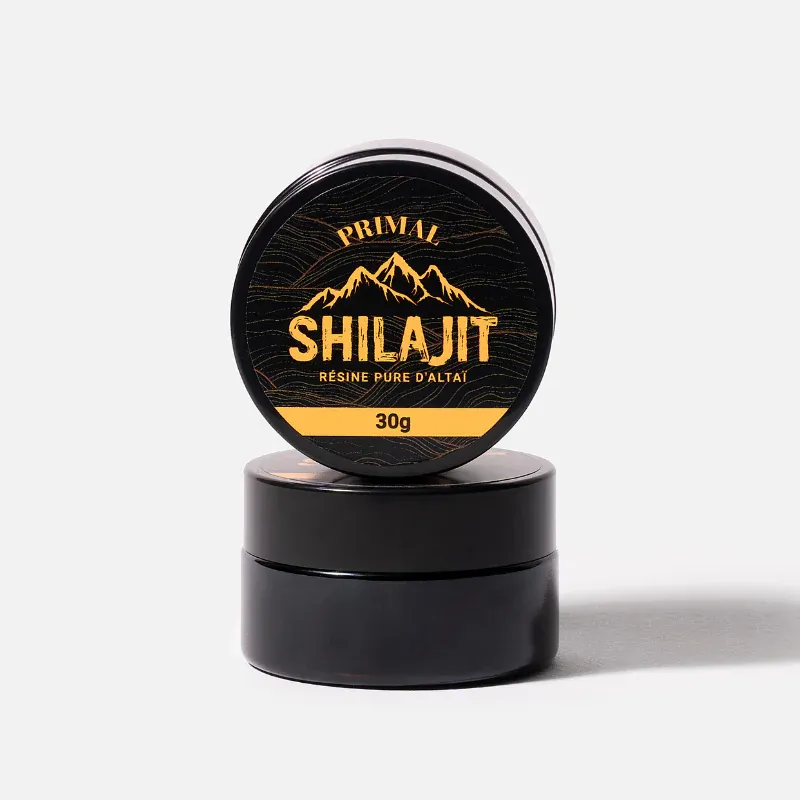
For experienced buyers, purified resin is usually the benchmark format because it is easier to assess visually and less likely to hide low-quality filler material. Capsules can still be legitimate, but they demand much stronger proof of composition, dosage, and sourcing.
Check the evidence, not the storytelling
- Lab testing: serious brands mention heavy-metal control and purification standards.
- Origin clarity: the seller should clearly state where the raw material comes from and how it is processed.
- Dose transparency: you should understand how much actual shilajit you are taking per serving.
- Brand accountability: clear contact details, coherent product pages, and support that can answer technical questions are good signs.
Red flags that should stop the purchase
- Prices that look far below the normal premium range.
- Claims that promise instant fat loss, testosterone explosions, or universal cures.
- Product pages that say "Himalayan resin" but provide no batch, purification, or contaminant information.
- Capsules presented as ultra-potent without explaining Understanding standardized, extracted, or actually inside.
Our recommendation for French buyers is simple: prioritize transparent brands, prefer products with clear purification logic, and compare the real cost per effective serving instead of chasing the cheapest headline price. That single shift removes most of the scams from the shortlist immediately.

How to judge a shilajit product safely
Shilajit is a category where transparency is essential. Before buying, check the origin, purification process, third-party analysis and heavy metal testing. A product can be presented as traditional or premium, but without clear documents it is difficult to evaluate its real quality. This is especially important because shilajit is a natural resin and can vary strongly from one source to another.
The format also matters. Resin is closer to the traditional use, but it requires more handling and has a strong taste. Capsules are easier to take but depend heavily on the extract quality and the dose. Gummies are convenient but can dilute the active quantity with sweeteners or flavouring. None of these formats is automatically better: the right choice depends on transparency and daily practicality.
LMC quality checklist
- Lab tests: heavy metals and microbiological controls should be available.
- Origin: the sourcing area should be clearly stated.
- Format: resin, capsules or gummies should match your tolerance and routine.
- Claims: avoid brands promising guaranteed results or instant effects.
For LMC, a credible shilajit product is not the one with the strongest marketing story. It is the one with clear testing, transparent sourcing and realistic guidance.
Extra evaluation points before you buy
To make this guide more useful, keep one simple rule in mind: compare the supplement as a monthly habit, not as a one-time purchase. The label may look convincing, but the real value depends on how the product fits your routine, how clearly the dose is explained and whether the brand gives enough information to make a confident decision. A good formula should be understandable without needing to decode marketing language.
Also look at the context of use. Some supplements are better suited to a morning routine, others make more sense around training, meals or an evening ritual. If the product requires a complicated preparation or an unrealistic serving size, consistency will be harder. For LMC, this practical dimension is just as important as the ingredient itself.
Questions to ask before ordering
- Is the active dose explicit? The useful quantity should be easy to find on the label.
- Is the promise realistic? Prefer support claims over guaranteed or medical-sounding results.
- Is the price coherent? Compare the monthly cost after the real serving size.
- Is the product easy to use? Taste, format and preparation matter for long-term consistency.
This does not mean every product needs to be perfect. It means the best option is usually the one with a clear formula, a realistic promise and a format you can actually keep using. That is the difference between a supplement that looks good online and one that makes sense in a daily routine.
Final LMC verdict
The most useful way to read this guide is to connect the ingredient, the format and the daily use case. If the product solves a real routine problem, has a clear serving size and keeps its claims realistic, it can be worth considering. If the formula is vague, the promise too broad or the monthly cost unclear, compare alternatives before ordering.
For sensitive profiles, pregnancy, medication, chronic conditions or persistent symptoms, the right move is simple: ask a qualified health professional before starting. LMC can help you compare brands and avoid weak offers, but it does not replace personal medical advice.
Practical next step
If you are comparing several options, create a short list of two or three products and compare them on the same basis: dose, monthly cost, ingredient clarity, taste or format, and the quality signals provided by the brand. This prevents a common mistake: choosing the product with the strongest promise instead of the product that is easiest to use consistently.
For supplements linked to energy, sleep, digestion, hormones, weight management or recovery, start conservatively and observe how your body responds. Do not stack too many new products at once, because it becomes impossible to know what actually helps. A simple routine, tracked over a few weeks, is usually more useful than a complicated protocol.
Quick buyer reminder
Before ordering, check whether the brand gives practical usage guidance, not only benefits. Clear dosage, transparent sourcing, realistic expectations and an easy routine are the signals that make a product worth considering. When these details are missing, keep comparing before you buy.
When to be cautious
Be more careful if the product uses vague proprietary blends, promises fast results, hides the exact dose or gives no clear information about testing. In those cases, a simpler and more transparent alternative is often a better first choice.
Also remember that a supplement should support a broader routine. Sleep, diet, training, hydration and medical context still matter. The best product is the one that fits that reality without creating unrealistic expectations.

LMC’s editorial line is built around transparency and reliability. Our content is written to help users make better decisions, based on 7 key criteria* that support trustworthy information, verified promo codes, and useful reviews.
To support LMC, some links are affiliate links. Our recommendations remain independent and based on transparent, verifiable criteria. By using the site, you accept our terms of use and our editorial policy.








.webp)