



Why mushroom coffee keeps winning over modern coffee drinkers
People want energy that feels cleaner, not just stronger
More consumers are moving away from the old pattern of caffeine spikes, anxiety and mid-morning crashes. The appeal of mushroom coffee is simple: keep the ritual, reduce the downside and get a more balanced kind of focus that fits modern work and wellness habits.
Adaptogens brought a new vocabulary to the coffee category
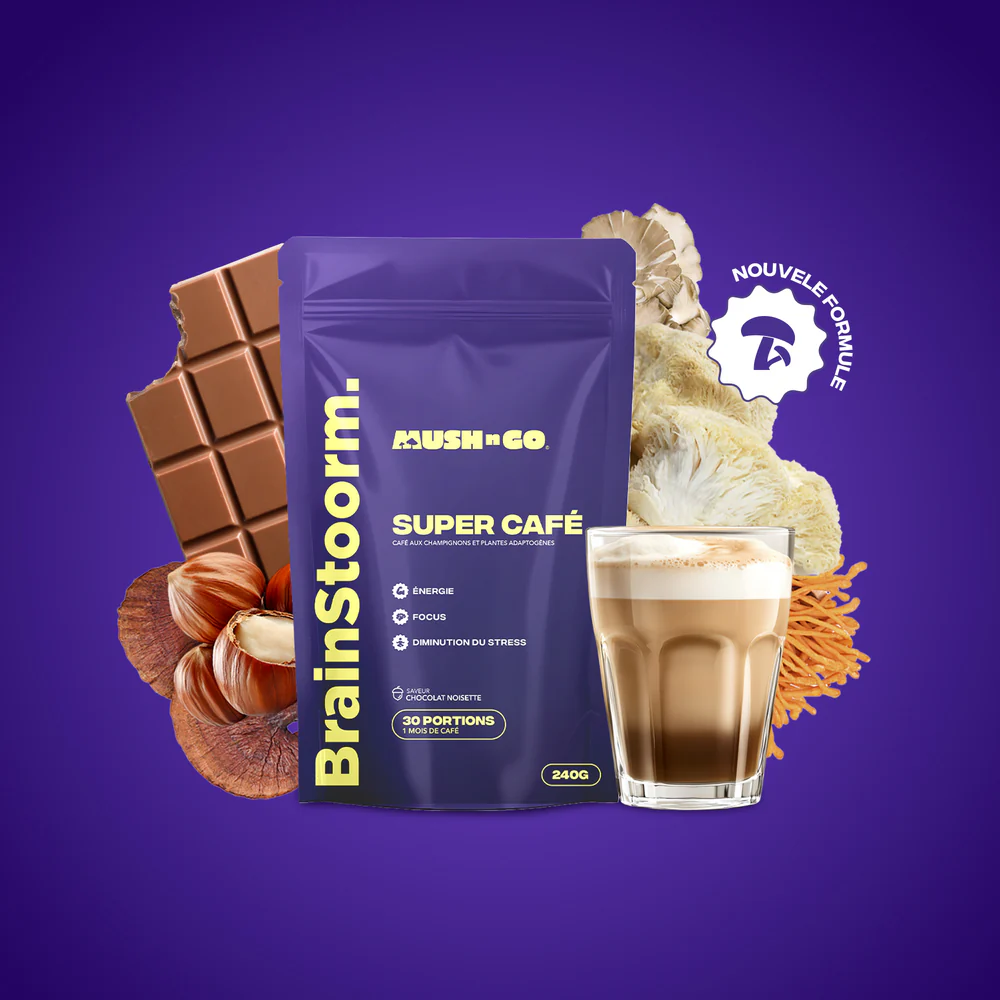
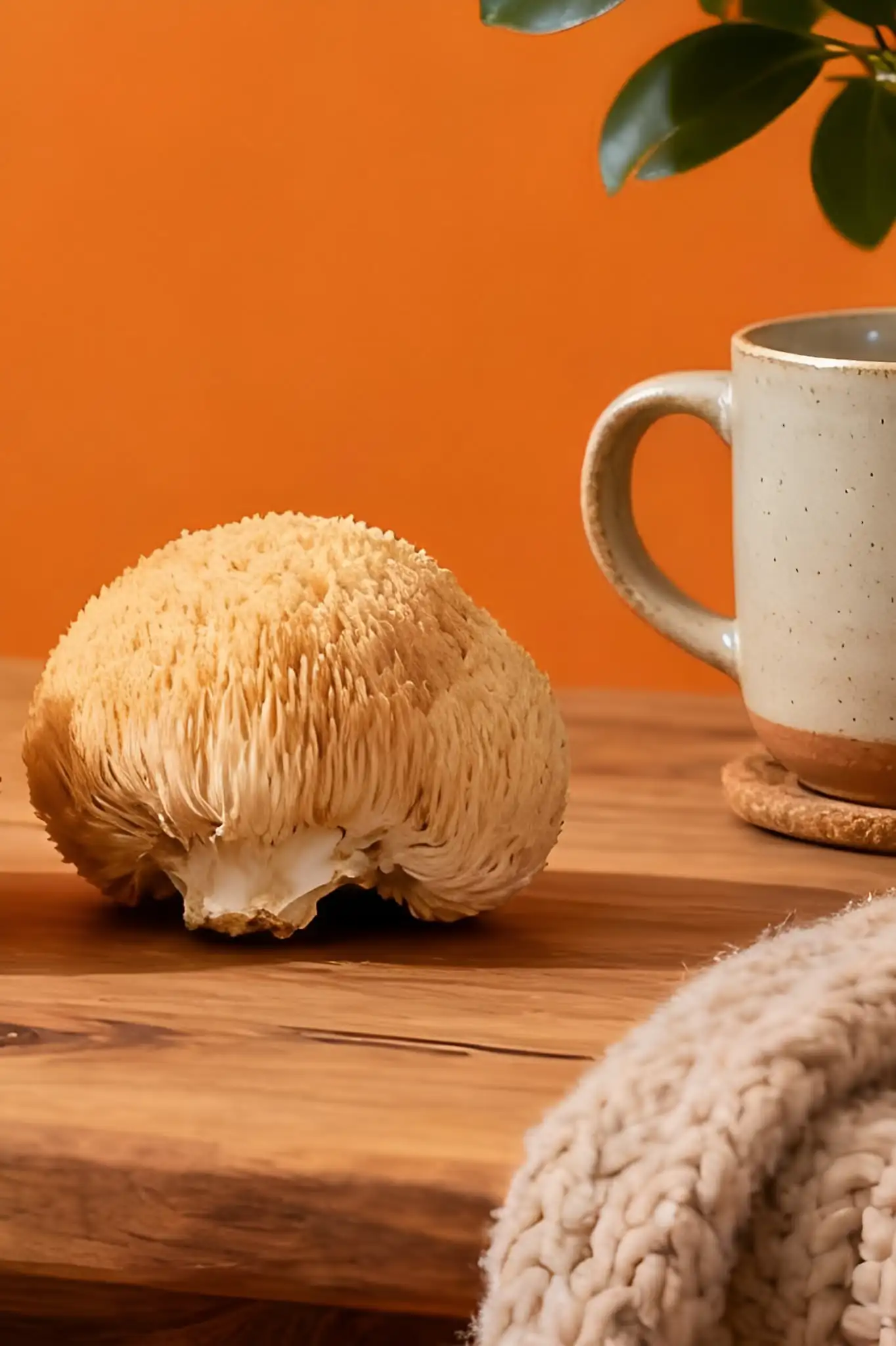
Ingredients such as Lion's Mane, Cordyceps, Reishi and Chaga are now part of the mainstream conversation around cognition, resilience and daily performance. Whether buyers come from biohacking, productivity or general wellness, they are looking for drinks that support concentration without making them feel overstimulated.
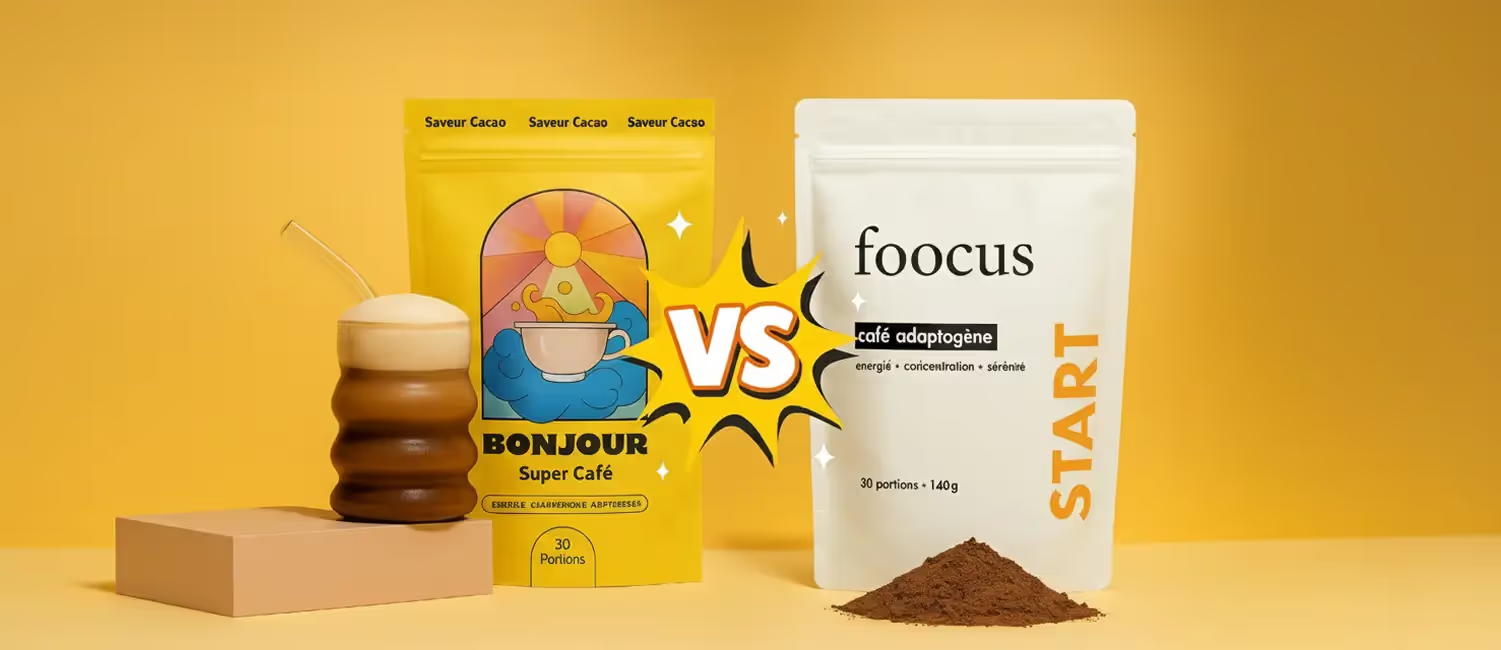
That is exactly why Bonjour Drink and Drink Foocus are often compared
Both brands speak to the same audience: people who want a smarter coffee routine. They promise a gentler energy curve, a more functional ingredient story and a more premium alternative to standard coffee. The real difference lies in how each brand executes that promise.
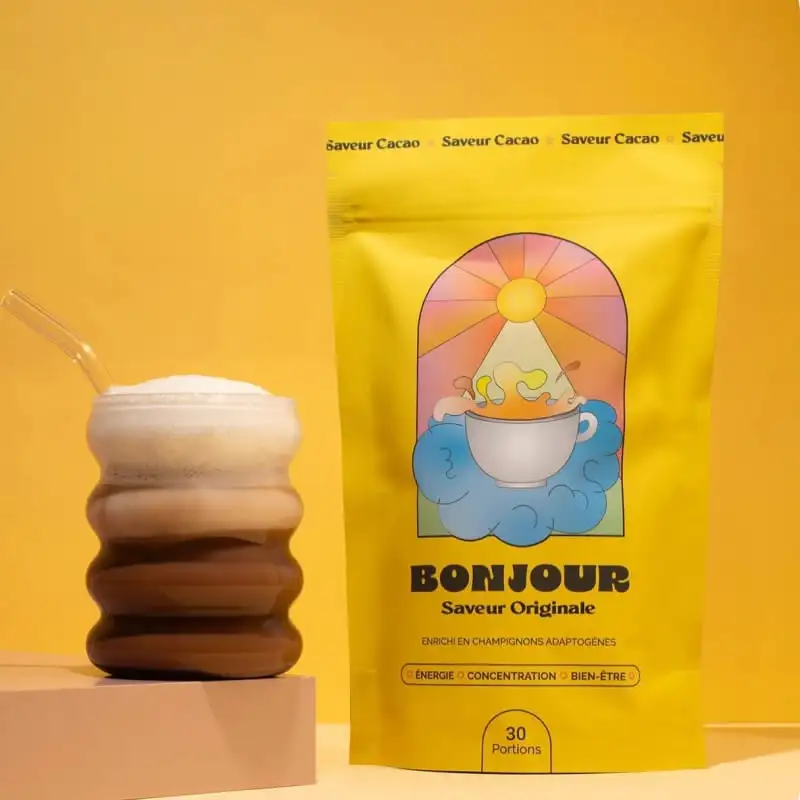

Bonjour Drink vs Drink Foocus: the real differences
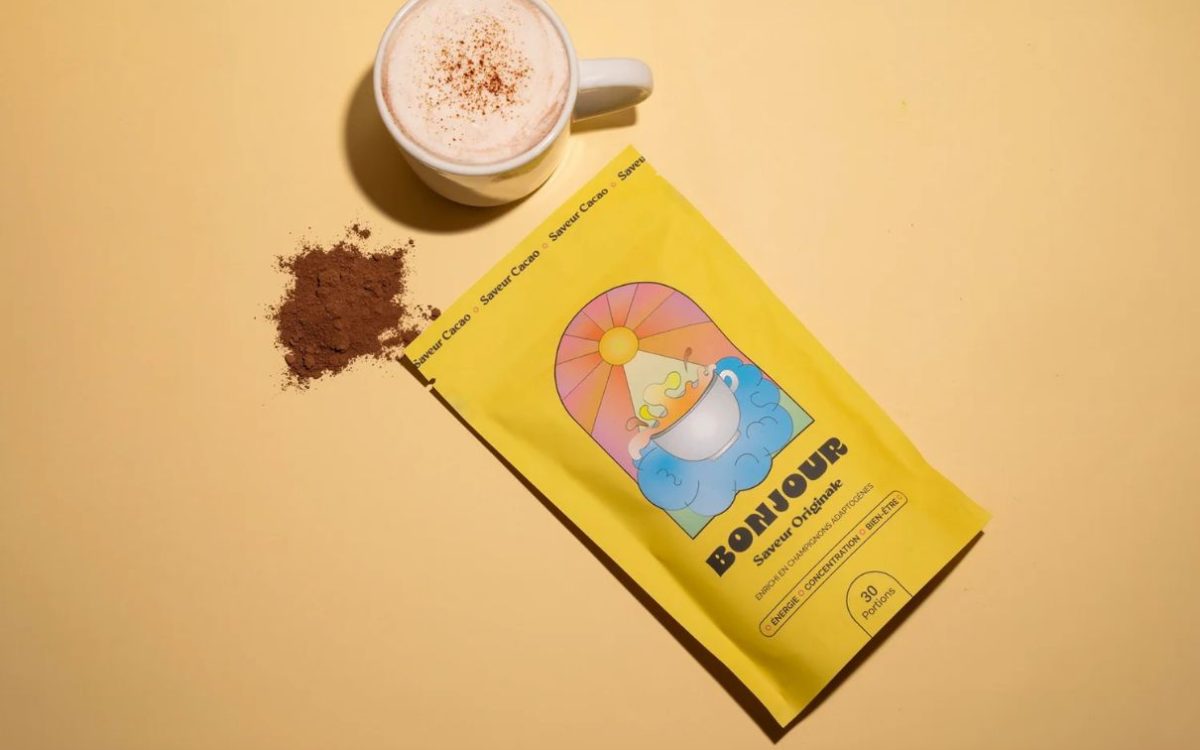
Bonjour Drink: premium French branding with a clean, accessible positioning
Bonjour Drink is built around strong branding, clear consumer education and an easy entry point into the mushroom coffee category. It tends to appeal to buyers who want a polished product experience, a reassuring French identity and a formula designed to feel smooth rather than extreme.
Its strengths are usually the clarity of the offer, the premium feel and the perception of a calmer, more lifestyle-friendly routine. If you want a product that feels easy to adopt and aesthetically refined, Bonjour Drink has an edge.
Drink Foocus: a more direct nootropic-performance angle
Drink Foocus often speaks more explicitly to performance-minded users. The positioning is usually sharper around productivity, focus and output, which can resonate with founders, creators and office workers who want a more functional, work-oriented coffee alternative.
That can be a real advantage if you like brands that lead with results and formulation logic rather than ritual and lifestyle. For some buyers, Foocus may feel more purpose-built. For others, it may feel slightly less broad and less elegant than Bonjour Drink.
Which one tastes better?
Taste is personal, but this is often the decider after ingredients. Bonjour Drink generally aims for a smoother, more rounded experience that lowers the barrier for people leaving traditional coffee behind. Drink Foocus can appeal more to users who are willing to prioritize functional effect and formulation logic over a softer sensory profile.
Which brand feels more trustworthy?
In this category, trust comes from transparency, dosing clarity, sourcing and overall execution. Bonjour Drink stands out for its premium French positioning and its accessible communication. Drink Foocus can stand out if you value a more explicit performance narrative. Neither should be chosen on branding alone, the best pick is the one whose formula, caffeine tolerance and product philosophy actually match your routine.
Our verdict
Choose Bonjour Drink if you want the most approachable premium option, a smoother daily ritual and a product that feels easy to integrate into a wellness-oriented lifestyle.
Choose Drink Foocus if your priority is a more direct focus-and-performance positioning and you prefer a brand that talks more like a productivity tool.
For the majority of buyers discovering mushroom coffee for the first time, Bonjour Drink is the easier recommendation. For more performance-driven users, Drink Foocus may be the better fit.

LMC’s editorial line is built around transparency and reliability. Our content is written to help users make better decisions, based on 7 key criteria* that support trustworthy information, verified promo codes, and useful reviews.
To support LMC, some links are affiliate links. Our recommendations remain independent and based on transparent, verifiable criteria. By using the site, you accept our terms of use and our editorial policy.



.webp)

.avif)