



Matchaeologist Review: Is This Artisanal Matcha Really Worth the Price?
Matchaeologist roasts its ceremonial matcha from Uji, Japan using ancestral techniques. Are its several grades really worth the price?


our experts


pick

.avif)

My quick take on Matchaeologist
I tested Matchaeologist's two flagship products, and I have to admit the quality is there. Matsu™ particularly impressed me with its creamy texture and roasted aromas that genuinely recall espresso, while Misaki™ reveals exceptional umami sweetness. The certified origin from Uji, a region renowned for its unique terroir, is reassuring in terms of authenticity. Customer reviews consistently mention the fine grind and lack of bitterness, which confirms my own experience.
The main drawback remains the price, which is significantly above market standards, even for ceremonial matcha. The 20 g format at 24 dollars can feel limiting for regular consumption. However, the artisanal roasting technique and crop-to-cup short supply chain partly justify this price positioning. I recommend this brand to demanding enthusiasts looking for an exceptional matcha and willing to invest in a premium sensory experience.

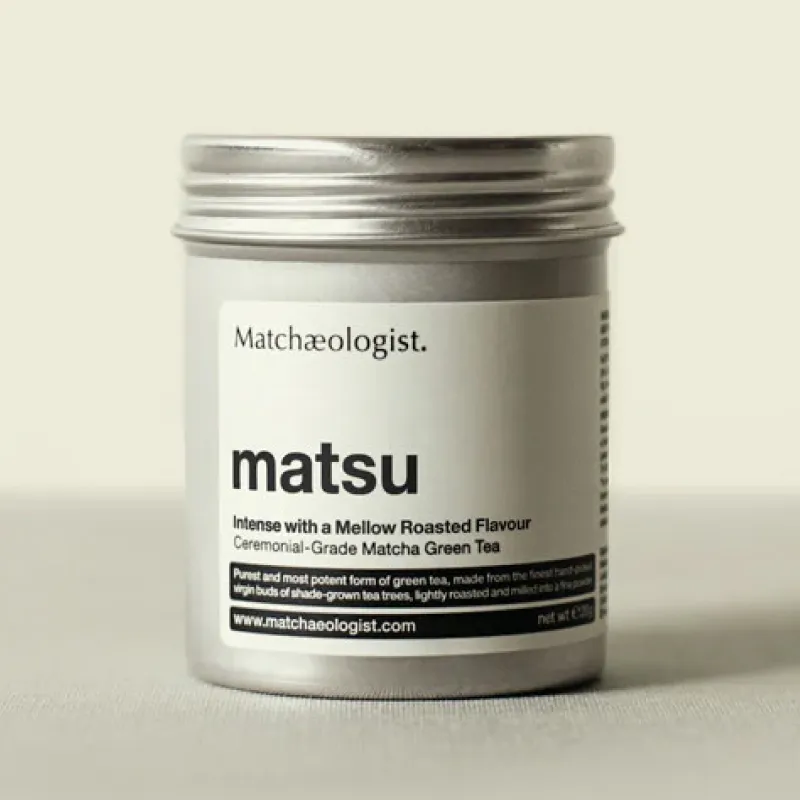
In this complete analysis of Matchaeologist, we break down one of the benchmarks for artisanal Japanese ceremonial matcha, from composition and origin to verified user feedback.
Brand Rating
Product Rating
User experience
Delivery and customer service
My experience with Matchaeologist
I started by testing Matsu™ Ceremonial Matcha, the brand's signature product. As soon as I opened the box, the deep green color reminiscent of Japanese pine trees struck me. The powder is remarkably fine, which greatly facilitates mixing with a bamboo whisk. I prepared the matcha according to the traditional recommended method, with approximately 1 gram of powder for 85 ml of water at 70°C.
The first taste reveals an unusual aromatic complexity for a matcha. The roasted notes dominate, effectively reminiscent of a well-extracted espresso, while retaining that umami flavor characteristic of shaded green tea. The texture on the palate is creamy and velvety, with a long and soft finish. No astringency or excessive bitterness, which confirms the ceremonial quality of the product. I also tested the Matsu™ in a latte with oat milk, and the result was excellent, the robust character of the matcha holding up well against the milk.
The Misaki™, for its part, represents the top of the range from Matchaeologist. Made only from the top buds of tea plants shaded for over 30 days and cultivated for over 30 years, this matcha displays a more delicate taste profile. The aromas of roasted caramel and pure umami are evident from the infusion. The sweet-salty sweetness is more pronounced than Matsu™, with an even silkier texture. This matcha lends itself particularly well to koicha preparation, the thick consistency traditional for Japanese ceremonies.
On a practical level, I appreciate the brand's transparency regarding preparation methods and recommended water temperatures. Detailed instructions on the official website allow you to achieve the best result from the first use. On the other hand, I noticed that Matsu™ can actually form a few small lumps if you do not take care to knead the initial dough well before adding the rest of the water, as several customer reviews mention.
Presentation of Matchaeologist and its origins
Matchaeologist is a British brand specializing in ceremonial artisan matcha, founded with the mission to redefine the matcha ritual experience by combining Japanese tradition with a modern perspective. The brand's philosophy is based on a minimalist approach to matcha preparation, aiming to create an epicoursean tasting experience comparable to that of fine wine.
Matchaeologist's positioning is distinguished by its commitment to quality and full traceability. The brand adopts a direct crop-to-cup model that eliminates the usual middlemen in the traditional tea supply chain, which normally involves a six to eight month journey. This approach delivers fresher, higher quality matcha to consumers around the world.
All Matchaeologist matchas come exclusively from the Uji region, located in Kyoto prefecture in Japan. Uji is widely recognized as the ultimate terroir for growing matcha, a status comparable to prestigious wine appellations. This region benefits from unique agro-climatic conditions, including specific soil, particular climate, optimal altitude, ideal humidity and adequate rainfall, all of which contribute to the distinctive flavor profile of Uji matcha.
The Uji-Matcha appellation is considered by connoisseurs to be the most distinguished and prized of all. Uji certified matchas are characterized by ambrosial sweet-salty umami notes, refreshing green aromas called ooika, and a deep, vibrant pine green color. Matchaeologist cultivates its teas according to Japanese JAS organic standards, guaranteeing natural and organic production without pesticides or chemicals.
The artisanal roasting technique constitutes the heart of Matchaeologist’s know-how. After harvesting, drying and destematizing the leaves, the matcha undergoes a proprietary artisan roasting process involving carefully calibrated light heating. This step activates the leaves and releases captivating roasted aromas, ensuring that each gram expresses its maximum aromatic potential. Although laborious and time-consuming, this process offers unparalleled results by extracting the characteristic sweet-salty umami profile in a much more pronounced way than standard matcha.
Matsu™ Ceremonial Matcha vs Classic Green Tea
| Criteria | Matsu™ Ceremonial Matcha | Classic green tea |
|---|---|---|
| Nutrient concentration | ✅ Whole leaf consumed in suspension | ❌ Simple infusion, partial nutrients |
| L-theanine content | ✅ Five times more than standard green tea | ❌ Lower concentration of amino acids |
| Caffeine | ✅ About 34 mg per serving | ❌ Between 20 and 45 mg depending on infusion |
| Effects felt | ✅ Calm, sustained energy without nervousness | ❌ Lighter and brief stimulation |
| Cultivation method | ✅ Shaded 30 days, manual harvest | ❌ Full sun cultivation, mechanized harvest |
| Preparation | ✅ Whipped in full suspension | ❌ Brewed then leaves removed |
Presentation of the product range
Matchaeologist offers a range structured into two main categories, ceremonial matcha and culinary matcha, each responding to specific uses. The ceremonial range includes three references, Misaki™, Matsu™ and Meiko™, designed to be enjoyed pure in usucha or koicha, or prepared in lattes. The culinary range includes Midori™ and Mirai™, intended for integration into pastry recipes, smoothies and desserts.
The brand also offers Houjicha, a powdered roasted green tea with a robust, deeply toasted taste profile, as well as a comprehensive collection of matcha-ware accessories including blown glass bowls, traditional and contemporary bamboo whisks, and measuring spoons. The available formats vary from 20g for premium grades to 1kg for professional and culinary formats.
Matsu™ Ceremonial Matcha
Matsu™ represents Matchaeologist's signature product and is distinguished by its intense aromatic profile with pronounced roasted notes. This artisanal ceremonial matcha undergoes a special roasting that produces a rich, creamy body comparable to perfectly extracted espresso. The deep green color evokes the Japanese pines from which it takes its name.
Composition of Matsu™ Ceremonial Matcha from Matchaeologist
Matsu™ is made from 100% ceremonial grade matcha green tea leaves, without any additives or excipients. The leaves come from tea plants shaded for 30 days before harvest, only during the first spring harvest. Only the young, virgin upper leaves are picked manually before the first ray of sunlight hits the ground.
After picking, the leaves are immediately steamed for 15-20 seconds to preserve their natural bright green color. They then undergo drying and destematization to retain only the finest parts, called tencha. The tencha is then roasted using a proprietary artisanal process involving calibrated light heating, before being ground on a granite stone mill using the traditional method. The grinding process takes about an hour to produce just 20 grams of matcha.
Origin of Matsu™ Ceremonial Matcha raw materials
Matsu™ comes exclusively from the Uji region, located in Kyoto prefecture in Japan. This geographical area benefits from unique agro-climatic conditions, including specific soil, particular climate, optimal altitude, ideal humidity and adequate rainfall. The Uji-Matcha appellation is recognized by connoisseurs as the most prestigious for matcha.
The tea plants used for Matsu™ come from ancient strains and are grown according to Japanese JAS organic standards. The brand claims to have been producing this tea for over 100 years using organic methods, guaranteeing the absence of pesticides and chemicals. Matcha also undergoes radiation testing for cesium-134 and cesium-137 administered by the QSAI Analysis and Research Center, as well as regular pathogen and heavy metal testing.
Price of Matsu™ Ceremonial Matcha from Matchaeologist
Matsu™ Ceremonial Matcha is sold at a price of 24.00 US dollars for a 20 gram format on the official American Matchaeologist website. This price positions the product in the premium segment of the ceremonial matcha market. The brand does not offer a higher format for this reference, unlike other grades in its range.
Misaki™ Ceremonial Matcha
Misaki™ is the jewel in Matchaeologist's crown, representing the highest grade in the range. This top-tier matcha uses only the upper buds of shaded tea plants grown for over 30 years before harvest. It offers the smoothest, most luxurious taste profile of the entire collection, with ambrosial aromas of pure umami and roasted caramel.
Composition of Misaki™ Ceremonial Matcha from Matchaeologist
Misaki™ is made from 100% higher ceremonial grade matcha green tea leaves, without any additives. The selection focuses exclusively on the emerging upper buds of tea plants shaded for more than 30 days and cultivated for more than three decades. This long maturation of the plants gives an exceptional concentration of L-theanine and antioxidants.
The manufacturing process follows the same rigorous protocol as Matsu™, with manual harvesting during the first spring harvest only. The leaves are steamed immediately after picking, then dried and destematized to isolate the finest tencha. The tencha then undergoes Matchaeologist's proprietary artisanal roasting before being ground on a granite stone wheel. This traditional grinding technique guarantees an ultra-fine grain size and preserves all aromatic compounds.
Origin of Misaki™ Ceremonial Matcha raw materials
Like the entire Matchaeologist range, Misaki™ comes exclusively from the Uji region in Kyoto, Japan. The tea plants used for this premium grade are grown in plots benefiting from the best local conditions, with particularly favorable soil and microclimate. The brand selects plants over 30 years old, whose deep-rooted roots draw rich nutrients from Uji's soil.
Production complies with Japanese JAS organic standards, guaranteeing organic cultivation without pesticides or chemical fertilizers. The Misaki™ undergoes the same safety testing protocols as the rest of the range, including analyzes for radiation, pathogenic contamination and heavy metals. FSSC 22000 Food Safety System certification governs the entire production and packaging process.
Price of Misaki™ Ceremonial Matcha from Matchaeologist
Misaki™ Ceremonial Matcha is priced at US$32.00 for a 20 gram format on the official Matchaeologist website. This price positioning reflects the premium status of this matcha, made from the most precious and rarest buds. The brand also markets this grade in 100 gram format, but the price of this packaging is not published on the product page consulted.
Benefits, profiles and uses of Matchaeologist
Matchaeologist matchas are designed to provide a calm and sustained stimulating effect, thanks to the synergy between natural caffeine and L-theanine. This combination produces a calm state of alert without nervousness or pumping, ideal for improving concentration and productivity. The brand recommends one to two cups per day to reap the full benefits, preferably in the morning or early afternoon due to the caffeine content.
Typical user profiles include tea lovers seeking an authentic ceremonial experience, professionals wanting a coffee alternative that provides stable energy, and meditation or yoga practitioners incorporating matcha into their morning ritual. Matsu™ is particularly suitable for people who appreciate intense, roasted flavors, while Misaki™ is aimed at connoisseurs looking for the most refined umami sweetness. Meiko™, intermediate grade, represents an excellent compromise for daily slats.
The contexts of use vary according to the ranks. Misaki™ and Matsu™ ceremonial matchas are enjoyed neat in usucha or koicha using the traditional Japanese method, prepared with a bamboo whisk in a suitable bowl. They are also suitable for preparing matcha lattes, hot or iced, with vegetable or animal milk. Misaki™ can be prepared in koicha for a deep meditative experience. Midori™ and Mirai™ culinary grades fit into smoothies, pastries, ice creams and other culinary creations.
In terms of expected benefits according to the brand, Matchaeologist matcha naturally contains antioxidants, amino acids, vitamins and flavonoids associated with various positive effects. Scientific research cited by the brand suggests that matcha components can increase thermogenesis by more than 40% without negative side effects. The high content of EGCG, a beneficial catechin, may help reduce the direct effects of sunburn and skin metabolic changes associated with aging.
Composition and technical analysis of Matchaeologist
The technical analysis of Matchaeologist matchas reveals a remarkable consistency in the brand's approach. The composition is absolutely simple, 100% matcha green tea leaves without any additives, excipients, added sugar or artificial flavors. This total purity corresponds to the highest standards of traditional ceremonial matcha and guarantees the authenticity of the product.
Transparency on manufacturing processes constitutes a notable strong point. Matchaeologist explicitly details each step, from 30-day shading, hand-picking, 15-20-second steaming, drying, de-stemming, proprietary artisan roasting, and finally grinding on a granite stone wheel. This precision allows consumers to understand exactly what differentiates these matchas from standard industrial productions.
The artisanal roasting process represents Matchaeologist's most distinctive technical element. While most matcha producers simply grind dried tencha, Matchaeologist adds a calibrated light heating step that activates the leaves and develops captivating roasted aromas. This ancestral technique passed down from generation to generation by Uji matcha sommeliers extracts the sweet-salty umami profile incomparably more pronounced than unroasted matcha.
Particle size is another indicator of technical quality. Matchaeologist claims to produce an ultra-fine texture comparable to talc, with an average particle size of around 8 microns. This exceptional fineness results from slow grinding on a granite stone wheel, a process requiring one hour to produce only 20 grams. This technical patience guarantees optimal dissolution in water and a silky texture in the mouth without granules.
In terms of security and compliance, Matchaeologist demonstrates exemplary rigor. Matcha undergoes mandatory radiation testing for cesium-134 and cesium-137 administered by the QSAI Analysis and Research Center. The brand adheres to the FSSC 22000 Food Safety System certification framework for managing food safety responsibilities. Pathogen tests looking for traces of bacterial contamination and heavy metals are carried out regularly. Japanese JAS organic certification guarantees compliant organic production.
The only observable technical limitation concerns the absence of published precise titrations for the active compounds. While the brand mentions the presence of L-theanine, EGCG and other catechins, it does not communicate the exact concentrations in milligrams per serving. This information would have allowed an objective comparison with other premium brands. Likewise, the exact caffeine content is indicated approximately at 34 mg per serving, without specifying the variability between grades.
Matchaeologist bestsellers
Matsu™ Ceremonial Matcha by Matchaeologist
Matsu™ has become Matchaeologist's signature product thanks to its unique aromatic profile marked by intense roasted notes. This artisanal ceremonial matcha particularly appeals to enthusiasts seeking a robust, complex character comparable to that of a quality espresso. Customer reviews converge on its creamy richness on the palate, balanced umami flavor, and lack of excessive astringency. Its accessible price positioning for a ceremonial grade makes it an excellent entry point into the Matchaeologist universe.
Misaki™ Ceremonial Matcha by Matchaeologist
Misaki™ represents the top of the Matchaeologist range and attracts the most demanding connoisseurs. Made exclusively from the upper buds of tea plants over 30 years old, this matcha offers the most refined and gentle taste profile in the collection. Feedback unanimously highlights its exceptional sweet-and-savory smoothness, roasted caramel aromas, and richness in L-theanine. Its ability to be prepared as koicha for a deep meditative experience makes it the preferred choice for practitioners of the traditional tea ceremony.
My final verdict on Matchaeologist: authentic quality or just premium positioning?
After exploring the Matchaeologist universe in depth, testing its flagship products, and analyzing its production methods, I can say that this brand fully deserves its status in the premium matcha segment. The sensory quality is undeniable: Matsu™ genuinely delivers the promised roasted complexity, while Misaki™ reaches a level of refinement rarely matched. The consistency between the brand's messaging and the product experience is reassuring in terms of authenticity.
The certified origin from Uji is an indisputable mark of quality. This legendary Japanese region has produced some of the world's most prized matchas for centuries, and Matchaeologist makes full use of this exceptional terroir. The crop-to-cup model, which removes intermediaries, guarantees optimal freshness, a crucial factor for a product as delicate as matcha. JAS organic certification and rigorous food-safety testing demonstrate an appreciable level of discipline in a market that can sometimes be opaque.
The artisanal roasting technique is truly Matchaeologist's distinctive signature. This labor-intensive extra step develops a unique aromatic palette that clearly sets these matchas apart from standard productions. Customer reviews overwhelmingly converge on the ultra-fine grind quality, creamy mouthfeel, and absence of excessive bitterness, confirming that the artisanal manufacturing process produces tangible results.
The main point of friction remains the price. At 24 dollars for 20 grams of Matsu™ and 32 dollars for Misaki™, Matchaeologist is positioned well above the market average, even for comparable ceremonial grades. For daily use, this price can represent a significant investment. However, when related to the production time, artisanal expertise, and prestigious origin, the positioning becomes understandable. This is clearly an exceptional matcha for special moments rather than an everyday product.
The 20 gram format may also seem limiting. For an enthusiast using one gram per day, one tin lasts only about three weeks. Matchaeologist justifies this choice by the need to preserve maximum freshness, as matcha oxidizes quickly once opened. The argument is valid, but intermediate 50 gram formats could have offered a better compromise between freshness and practicality for regular consumers. The Meiko™ and Midori™ grades are available in 100 gram sizes, but not the premium references.
In terms of communication, Matchaeologist excels in education and transparency. The official website is packed with detailed information on preparation methods, the history of matcha, expected benefits, and the specific features of each grade. Tutorial videos make it easier for beginners to get started. This educational approach enhances the product and helps consumers understand what justifies the price.
The full matcha-ware collection rounds out the offer coherently. Contemporary hand-blown glass bowls such as the Cloud Glass Chawan reinterpret traditional codes with elegance. Traditional and full-hand bamboo whisks provide options suited to different levels of practice. This holistic approach to the matcha ritual reflects a relevant overall vision, even if the accessories obviously add to the initial budget.
Customer feedback available on the site and third-party platforms is very largely positive. Criticism focuses mainly on price and occasionally on Matsu™'s tendency to form a few small clumps, an issue easily solved with careful preparation. The absence of major negative reviews about the intrinsic quality of the product strengthens the brand's credibility
Personally, I find that the sensory quality and manufacturing rigor fully justify the price for special occasions or a weekly ritual. The unique aromatic profile obtained through artisanal roasting, the exceptional fineness of the grind, and the certified Uji origin place these matchas in a category of their own. However, I acknowledge that the budget required for daily consumption remains substantial, especially with 20 gram formats that run out quickly. Matchaeologist is therefore aimed above all at connoisseurs who see matcha as a privileged tasting moment rather than just a functional drink.
Want to compare Matchaeologist with other brands? See our comparison of the best matcha brands 2025 to find the product best suited to your needs.

LMC’s editorial line is built around transparency and reliability. Our content is written to help users make better decisions, based on 7 key criteria* that support trustworthy information, verified promo codes, and useful reviews.
To support LMC, some links are affiliate links. Our recommendations remain independent and based on transparent, verifiable criteria. By using the site, you accept our terms of use and our editorial policy.


🎁 Get an exclusive -50% promo code by signing up. Not available anywhere else.
We have negotiated for you an exclusive 50% off promo code on a well-known brand of mushroom coffee. Interested? Register and receive your code directly by email.
The 7 key criteria of our editorial staff
Every piece of content published on LMC is carefully written by engaged specialists following a rigorous process. LMC is committed to delivering information that is reliable, useful, and genuinely easy to read.
Specialized and involved writers


Rigorous research for each piece of information
Full transparency on sources
Taking into account your real needs
Original and authentic content
Continuous updating of articles
.webp)
Compliance with standards and editorial ethics

LMC’s favorite pick 💛
Our favorite pick of the month — well worth trying.
.avif)
pick
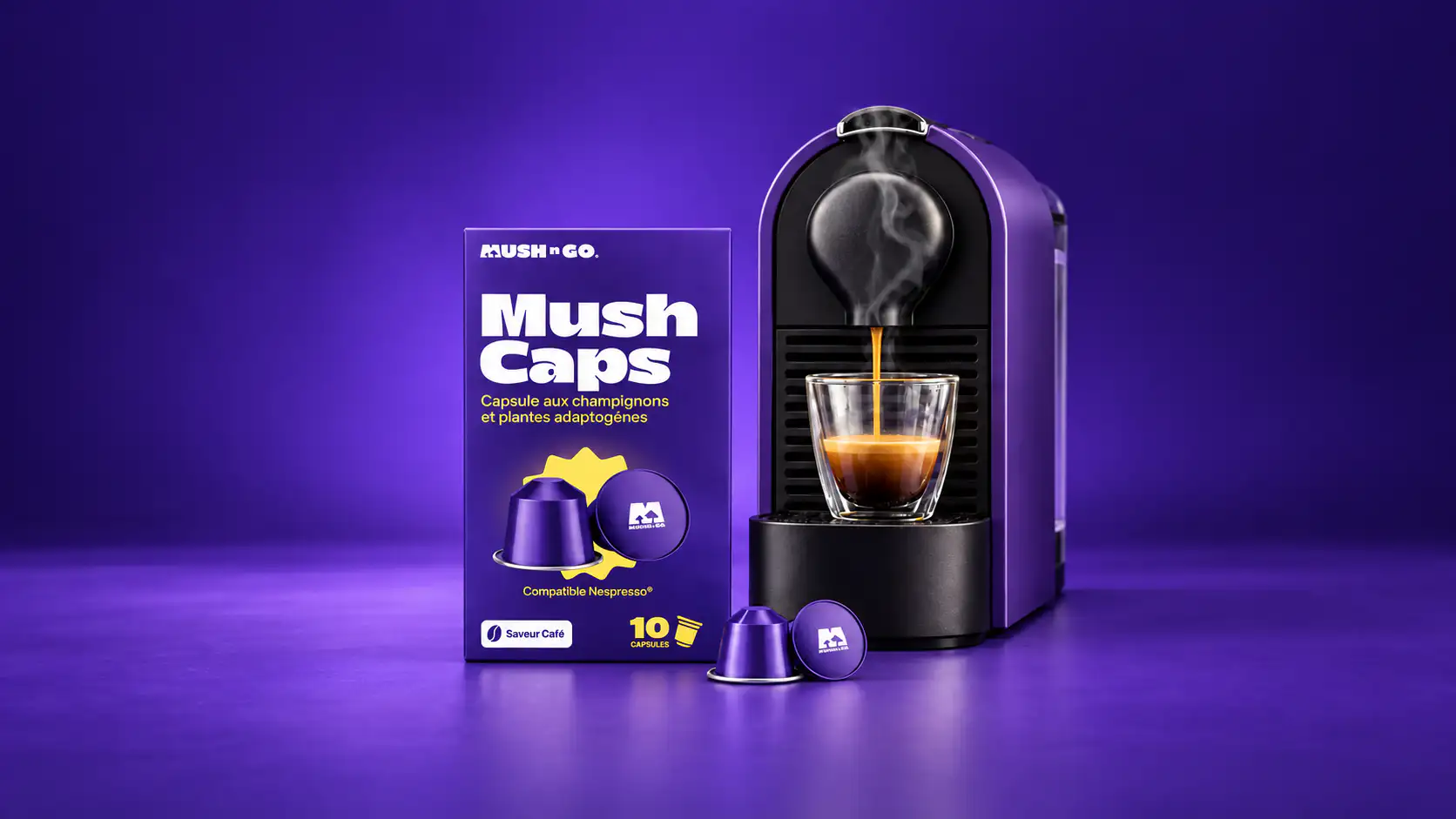
Mush N Go