


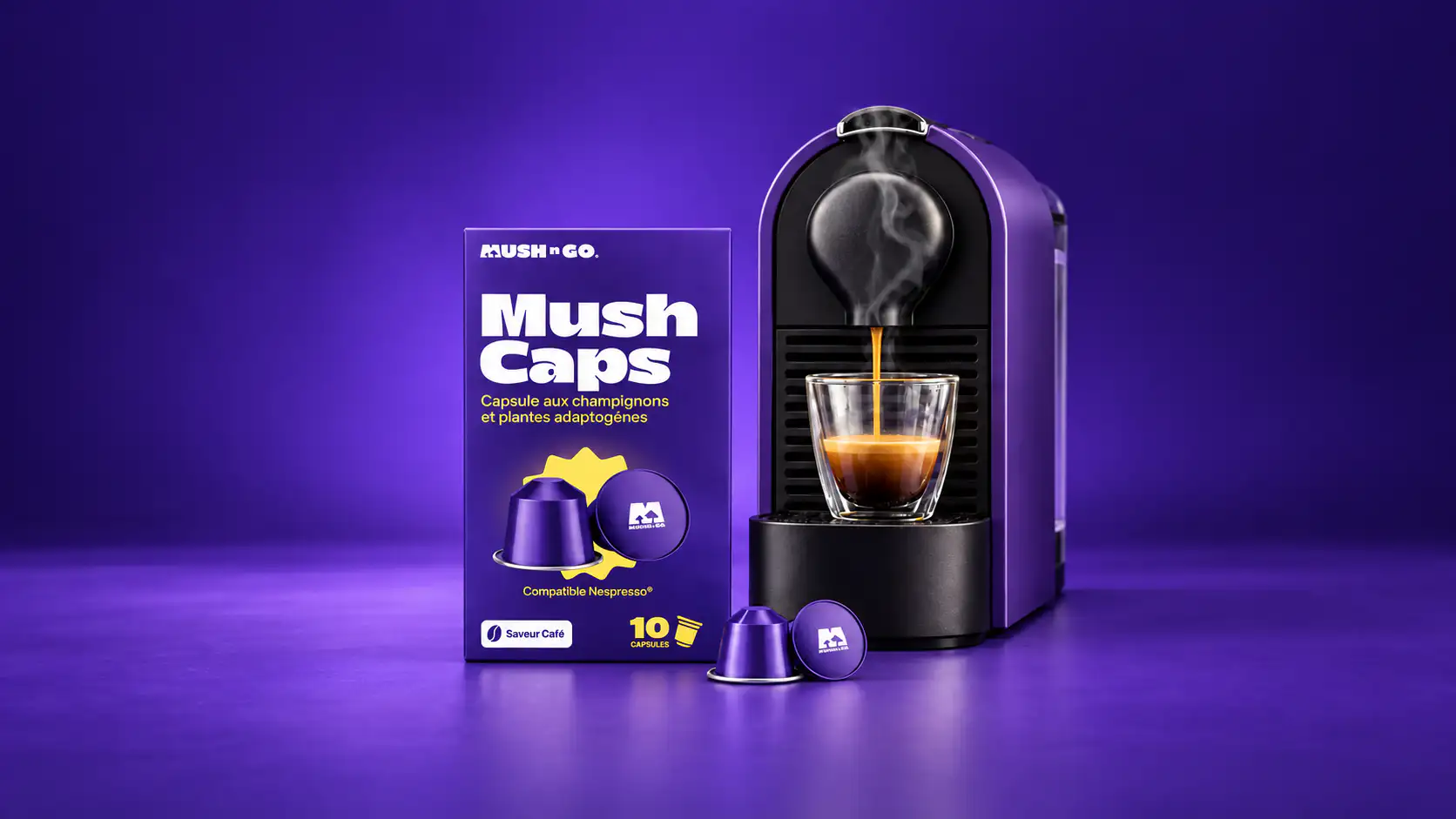


Halal whey protein is one of the most common sports nutrition purchases, but also one of the most misunderstood. Many consumers assume whey is automatically acceptable because it comes from milk. In reality, whey is dairy-derived, but cheese-making processes, enzymes, flavours, additives and certification can all affect the level of confidence you can place in a product.
The goal of this LMC guide is not to make every tub of protein sound suspicious. It is to give you a simple method for choosing without being misled by strong packaging, an impressive protein percentage or an undocumented halal claim. A whey can be nutritionally solid and still be too vague for someone following strict halal requirements.
The practical rule is simple: prioritise powder, a short ingredient list, a transparent brand and written evidence when you need it. Concentrate, isolate and hydrolysate can all make sense depending on your budget and digestion. The real issue is not only the type of whey, but the traceability of the whey source and added ingredients.
In this article, we compare concentrate, isolate and clear whey, explain the halal checks that matter, then give you a ready-to-use checklist. If you are building a broader routine, the LMC guides on halal creatine, halal collagen and halal sports nutrition can help you keep the same logic across your supplements.
Halal whey: the quick verdict before you buy
Choose a whey powder with a short formula, a traceable whey source, clearly explained flavours and halal certification if your standards are strict. If the brand does not publish a certificate, ask for written information about enzymes, whey origin, flavours and manufacturing site before buying.

Why whey is not automatically halal just because it comes from milk
Whey protein comes from whey, the liquid separated during cheese or dairy production. Milk itself does not usually raise the same questions as meat-derived ingredients. However, the processing chain can introduce details that deserve attention.
The first topic is rennet or enzymes used in cheese production. Depending on the case, they may be microbial, plant-based, animal-derived or produced through more complex methods. The final consumer does not always see that information on a whey label, which is why supplier traceability matters.
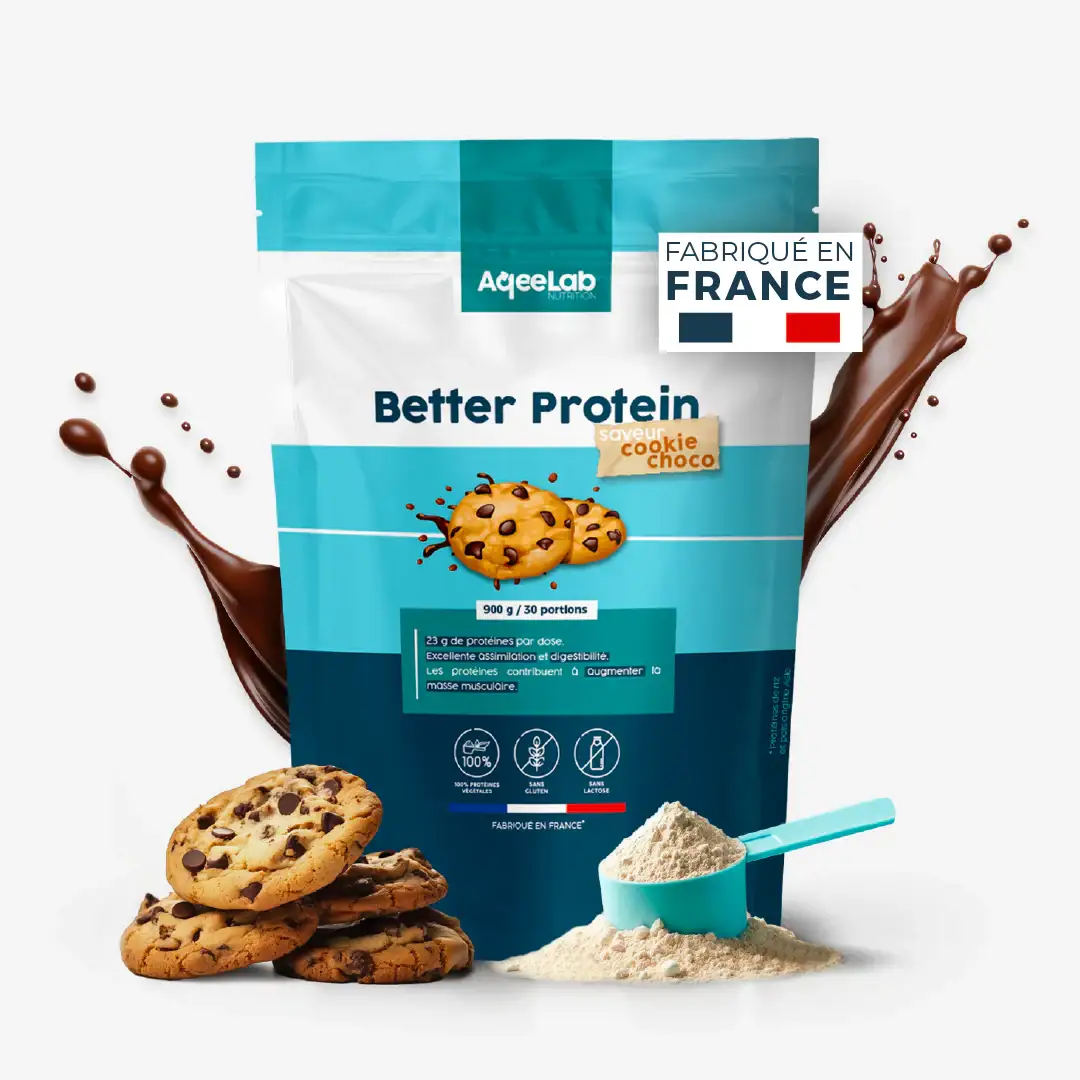
The second topic is the finished formula. Chocolate, cookies or vanilla whey can contain several flavours, flavour carriers, sweeteners, thickeners and sometimes inclusions. None of these is automatically a problem, but a long formula requires more transparency than an unflavoured whey.
The third topic is evidence. Some brands have halal certification for the finished product. Others only have a certified raw material, or an internal assurance. If your requirement is strict, you need to know what is actually certified and for how long.
- Whey source: ask about origin and production type if the brand does not state it.
- Enzymes: check whether information is available, especially for strict consumers.
- Flavours: look into carriers, solvents and complex ingredients.
- Certification: separate finished product certification from raw material claims or marketing language.
Concentrate, isolate or hydrolysed whey: which fits a halal routine best?
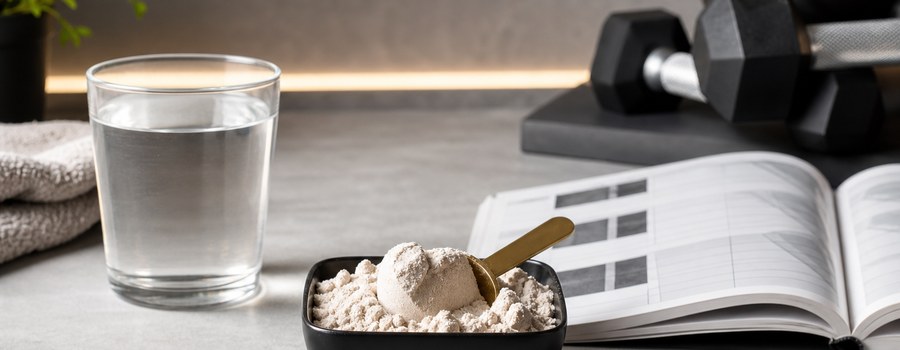
Whey concentrate is often the most affordable option. It contains protein, some lactose, minerals and a small fat fraction depending on filtration. It can work very well if you digest it comfortably and the brand provides enough information about origin and formula.
Whey isolate is more filtered. It usually offers more protein per serving and less lactose. It often costs more, but it can be useful if you want a lighter texture or are watching lactose and carbohydrates more closely. From a halal perspective, it is not automatically superior. The same checks apply.
Hydrolysed whey has been broken down into smaller peptides. It is often marketed as more technical, sometimes more expensive and may taste more bitter. Again, hydrolysed describes processing and digestion, not halal certification. An undocumented hydrolysate is not more reassuring than a well documented concentrate.
Clear whey is an interesting trend for people who want a lighter drink, closer to a protein juice. But flavours, acidifiers and sweeteners are often more prominent. If halal verification is your priority, read the ingredient list even more carefully.
Flavours and sweeteners: the small detail that can change the decision
Most people compare taste first. That is normal: a whey you dislike will stay in the cupboard. But the more complex a flavour is, the more hidden sub-ingredients it may involve. Cookies, caramel, cream, biscuit or cereal flavours usually require more formulation than a simple vanilla.
Flavours may use carriers or solvents. Amounts are generally small, but for a strict halal approach, the question is not only about quantity. It is about the nature of components and whether the brand can document what it uses.
Sweeteners such as sucralose or stevia are not usually the main halal concern, but they may affect digestion or taste preference. If you want to reduce grey areas, unflavoured whey or a very simple flavour remains the most readable choice.
Halal certification: how to read evidence without overtrusting a claim
A halal logo on a site or label only has value if it connects to an organisation, a reference and a clear scope. Look for the certifying body, validity date, product or range concerned and, if possible, the manufacturing country or site.
Some brands say their ingredients are halal without certifying the finished product. This can be useful, but it is not the same thing. The finished product includes blending, flavours, sweeteners, the production line and sometimes cross-contact rules depending on the certifier.
If your requirement is strict, ask for the certificate. If the brand will not share it, ask at least for written confirmation with the organisation name and scope. Then decide according to your level of confidence. LMC does not recommend turning a vague statement into an absolute guarantee.
Gainers, protein bars and RTD shakes: why simple whey is often better
Mass gainers often contain whey, carbohydrates, flavours, thickeners and sometimes enzyme or vitamin blends. They can help someone who struggles to eat enough, but they are less straightforward to verify than whey alone. They may also provide a lot of sugar or easy calories.
Protein bars are even more complex. They can combine dairy proteins, collagen, sometimes gelatine, polyols, fibres, coatings, flavours and emulsifiers. For a strict halal approach, each bar becomes almost a small audit. A certified bar can be a good option, but an uncertified bar with unclear details deserves caution.
Ready-to-drink shakes are convenient, especially when travelling. They also add stabilisers, flavours, heat treatment and sometimes several protein sources. For daily use, simple whey powder is often cheaper, easier to read and easier to dose.
How to choose halal whey according to your training goal
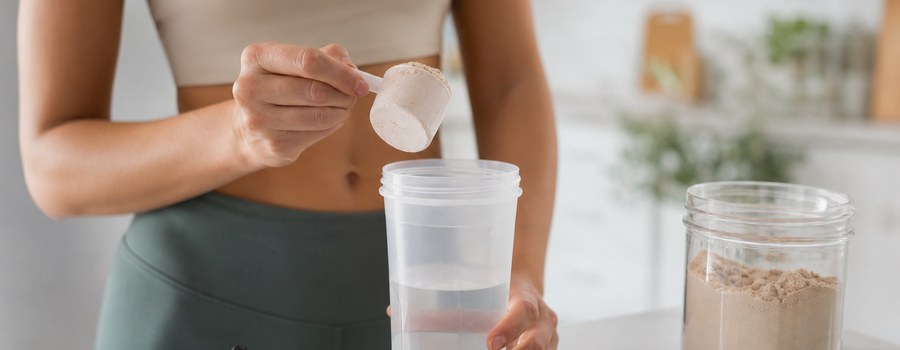
For muscle gain, whey can help you reach a sufficient daily protein intake, but it does not replace meals, progressive training and sleep. First look for a protein you digest well and can use consistently without discomfort.
For fat loss, whey can be practical if it replaces less filling snacks, but it is not magic. Check calories per serving, actual protein amount and the presence of sugars or dessert-style inclusions. A very indulgent whey can quickly become less useful.
For a simple routine, do not multiply supplements too early. A reliable whey, a well chosen creatine monohydrate and a structured diet already cover a lot of sports nutrition needs. BCAAs, boosters and complex blends should not come before the basics.
The LMC checklist before buying halal whey
- Check whether the finished product has identifiable halal certification.
- Ask about whey origin and any available information on enzymes.
- Prefer powders over bars, gummies and highly processed formats.
- Read the full ingredient list, not only the protein percentage.
- Choose simple flavours if you want to reduce grey areas.
- Compare price per protein serving, not only the price of the tub.
- Keep written proof from the brand if you buy without a public certificate.
Useful questions to send a whey brand
You can send a short, direct message: is your whey certified halal as a finished product? If yes, by which organisation and until what date? What is the origin of the whey? Are the enzymes used in the dairy chain documented? Do the flavours contain animal-derived or alcohol-related carriers or solvents? Is the product made on a shared line?
A good brand may not reply in five minutes, but it should understand the question. Generic answers such as “our products are suitable for everyone” or “we do not use pork” are not always enough. Pork-free is information, not complete certification.
If the brand provides clear evidence, keep it. If it cannot answer, choose a more transparent alternative. In the current market, trust is built less with slogans and more with documents and readable formulas.
LMC opinion: the best halal whey is the one you can verify
The best halal whey is not necessarily the one with the cleanest packaging, the highest protein percentage or the most original flavour. It is the one whose source, formula and level of evidence you understand. For many people, that points to a simple powder, certified when possible, from a brand that answers clearly.
If you are less strict, you may accept a detailed written confirmation when the product is otherwise coherent. If you are very strict, require halal certification for the finished product or ask a competent authority. In both cases, avoid impulse purchases based only on a discount.
A solid halal sports routine remains simple: enough protein, useful supplements, readable formats and evidence when needed. It is less flashy than a ten-product stack, but it is more sustainable, more economical and more reassuring.
How to use halal whey without overcomplicating your diet
Whey is convenient, but it should not become the centre of your diet. Start by estimating your protein intake on a normal day. If your meals already cover your needs, a daily shake may not be necessary. If you are short on protein, whey can simply fill the gap.
After training, a shake can be useful because it is quick and easy for many people to digest. But the anabolic window is not a one-minute magic moment. A protein-rich meal during the day still matters. Total consistency, progressive training and sleep remain more important than perfect timing.
To reduce discomfort, start with half a serving when switching brand or whey type. Some people digest isolate better, while others prefer the creamier texture of concentrate. If you are sensitive to lactose, check the nutrition panel and choose an appropriate option rather than forcing it.
Finally, keep the same halal discipline when changing flavour. Within one range, a simple vanilla and a biscuit flavour can have different formulas. The certificate or brand answer should cover the exact product you are buying.
This is where many mistakes happen: the first tub is checked carefully, then the next flavour is bought automatically. Treat each new formula as a new product until you have enough evidence.
One final practical tip: check the scoop. Some brands state a serving in grams, but the scoop can vary depending on how full it is. Weighing one or two servings at the beginning avoids underdosing, overusing the tub or comparing two products on the wrong basis.
Also look at how the whey fits your budget over a month, not just at the price on the day you buy it. A cheap tub with a small serving, poor digestion or unclear evidence may be less valuable than a slightly more expensive product you can actually trust and use consistently.
When in doubt between two whey proteins, choose the one with clearer evidence, simpler flavouring and a support team that answers precisely. That habit saves time and prevents repeated doubts after every order.
It also makes future purchases easier: once a brand has shown serious documentation, you know what to ask for when a formula, flavour or batch changes. Keep that note with your order history for reference.
Keep reading before you choose
To avoid judging one product in isolation, compare this guide with our halal sports nutrition and our article on halal creatine. If you want to check the recommended partner, use the LMC partner offer and ask for written certification evidence if your halal requirement is strict.

LMC’s editorial line is built around transparency and reliability. Our content is written to help users make better decisions, based on 7 key criteria* that support trustworthy information, verified promo codes, and useful reviews.
To support LMC, some links are affiliate links. Our recommendations remain independent and based on transparent, verifiable criteria. By using the site, you accept our terms of use and our editorial policy.



.webp)

.avif)